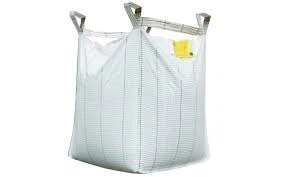
In the realm of process handling, bulk bags play a pivotal role in efficiently storing and transporting a wide variety of materials. One of the key aspects of bulk bags is their closures, which not only ensure the integrity of the contents but also impact handling, filling, and discharging processes. As a supplier of bulk bags for process handling, we understand the significance of different closure types and how they can meet the diverse needs of our customers. In this blog, we will explore the various types of closures for bulk bags and their applications.
Open - Mouth Closures
Open - mouth bulk bags are one of the most common types. They feature a wide opening at the top, which makes them ideal for filling with a large range of materials using different filling equipment.
Sewn - Up Closures
After the bag is filled, it can be closed by sewing up the open mouth. This simple and cost - effective method provides a secure seal to prevent spillage during transportation and storage. Sewn - up closures are particularly suitable for materials that are not prone to dusting. However, this type of closure may not be the best option if the bag needs to be opened and refilled multiple times, as the sewing process can be time - consuming and may damage the bag over repeated use.
Tie - Down Closures
Tie - down closures involve using a drawstring or a series of ties around the open mouth of the bag. Once the bag is filled, the drawstring is pulled tight or the ties are knotted to close the opening. This closure type offers flexibility, as the bag can be easily opened and closed for multiple uses. It is also suitable for materials that require quick access, such as agricultural products or construction aggregates. Tie - down closures are relatively easy to operate, but they may not provide as tight a seal as sewn - up closures, especially for fine powders that can be prone to dust leakage.
Spout Closures
Spout closures are designed with a tubular extension at the top or bottom of the bag, which allows for more controlled filling and discharging.
Top Spout Closures
Top spout closures are commonly used when the bag is filled from the top. The spout can be connected to filling equipment, such as a hopper or a conveyor, to ensure a smooth and accurate filling process. After filling, the spout can be sealed using various methods, such as a clamp or a twist - tie. Top spout closures are beneficial for materials that need to be protected from contamination during filling, as the spout can be easily connected to a clean filling system.
For example, in the pharmaceutical or food industries, where hygiene is of utmost importance, top spout closures are often preferred. They also allow for better control of the filling process, reducing the risk of spillage and waste. Our Top Lift Bulk Bag can be equipped with top spout closures to meet the specific requirements of these industries.
Bottom Spout Closures
Bottom spout closures are designed for easy discharge of the bag's contents. When the bag is lifted and the bottom spout is opened, the material can flow out under gravity. This type of closure is commonly used for applications where a quick and efficient discharge is required, such as in the chemical or mining industries.


Bottom spout closures can be further classified into different types, such as slide - gate valves or iris valves. Slide - gate valves are simple and cost - effective, providing a straightforward way to control the flow of material. Iris valves, on the other hand, offer more precise control over the discharge rate and can be adjusted to suit different materials and flow requirements. Our Bottom Lift Bulk Bag is well - suited for bottom spout closure applications, ensuring smooth and efficient material handling.
Zipper Closures
Zipper closures are becoming increasingly popular in bulk bags for process handling. They offer the convenience of easy opening and closing, similar to tie - down closures, but with a more secure seal.
Zipper closures are made of durable materials that can withstand the rigors of handling and storage. They are suitable for applications where the bag needs to be accessed frequently, such as in the retail or e - commerce industries. For example, in the distribution of consumer goods in bulk, zipper closures allow for quick and easy inspection and restocking of the bags.
However, zipper closures may not be suitable for all materials. Fine powders or abrasive materials may cause damage to the zipper over time, reducing its effectiveness. Additionally, the cost of zipper closures is generally higher compared to other types of closures, which may need to be considered in cost - sensitive applications.
Heat - Sealed Closures
Heat - sealed closures are created by applying heat to the edges of the bag opening, fusing the material together to form a tight seal. This type of closure provides an excellent barrier against moisture, dust, and contaminants, making it ideal for materials that require a high level of protection.
Heat - sealed closures are commonly used in the packaging of sensitive products, such as electronics components or pharmaceuticals. They offer a long - lasting and reliable seal, ensuring the integrity of the contents during storage and transportation. However, heat - sealing equipment is required to create these closures, which may add to the overall cost of the packaging process.
Considerations When Choosing a Closure Type
When selecting a closure type for bulk bags in process handling, several factors need to be taken into account:
Material Characteristics
The nature of the material being stored and transported is a crucial consideration. Fine powders may require a more air - tight closure, such as a heat - sealed or spout closure with a tight seal, to prevent dust leakage. Abrasive materials may damage certain types of closures, so more durable options like sewn - up or heavy - duty zipper closures may be preferred.
Handling Requirements
The frequency of filling, opening, and discharging the bag also influences the choice of closure. If the bag needs to be opened and closed multiple times, a closure type that allows for easy access, such as a tie - down or zipper closure, is more suitable. For one - time use or long - term storage, a more permanent closure like a sewn - up or heat - sealed closure may be the better option.
Cost
Cost is always a significant factor in any business decision. Different closure types have different price points, and it is essential to balance the cost with the performance requirements. For example, while heat - sealed closures offer excellent protection, they may be more expensive due to the equipment needed for sealing.
Regulatory Requirements
In some industries, there are specific regulatory requirements regarding packaging and closures. For instance, in the food and pharmaceutical industries, closures must meet strict hygiene and safety standards. It is crucial to ensure that the chosen closure type complies with all relevant regulations.
As a leading supplier of bulk bags for process handling, we have extensive experience in helping our customers choose the most suitable closure types for their specific needs. Our team of experts can provide detailed advice and guidance based on the material characteristics, handling requirements, and budget constraints of each project.
If you are interested in learning more about our bulk bags and the different closure options available, or if you have a specific project in mind and would like to discuss your requirements, we encourage you to reach out to us. We are committed to providing high - quality products and excellent customer service, and we look forward to the opportunity to discuss your procurement needs and find the best solutions for your business.
References
- "Bulk Packaging Handbook", John Wiley & Sons
- "Industrial Packaging Technology", CRC Press
- Industry whitepapers on bulk bag handling and closures