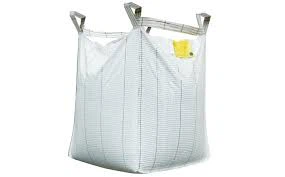
What are the differences between different grades of conductive bulk bags?
As a supplier of Conductive Bulk Bags, I've had the privilege of working closely with a wide range of industries, each with its unique requirements and standards. Conductive bulk bags, also known as FIBCs (Flexible Intermediate Bulk Containers), are designed to safely store and transport a variety of powders, granules, and other bulk materials. However, not all conductive bulk bags are created equal. Different grades of these bags offer distinct features and benefits, tailored to specific applications and industries. In this blog post, I'll delve into the differences between various grades of conductive bulk bags, helping you make an informed decision for your business.
Understanding Conductive Bulk Bags
Before we explore the different grades, let's first understand what conductive bulk bags are and why they are important. Conductive bulk bags are designed to prevent the buildup of static electricity, which can be a significant hazard when handling flammable or combustible materials. Static electricity can cause sparks, leading to fires or explosions, especially in environments where volatile substances are present. Conductive bulk bags are made with special materials or additives that allow static electricity to dissipate safely, reducing the risk of electrostatic discharge.
Different Grades of Conductive Bulk Bags
There are several grades of conductive bulk bags available in the market, each with its own set of characteristics and applications. Here are some of the most common grades:
Type C Conductive Bulk Bags
Type C conductive bulk bags are the most commonly used type of conductive bags. These bags are made with conductive threads woven into the fabric, which create a continuous conductive path across the surface of the bag. When the bag is grounded, static electricity can flow through the conductive threads and dissipate safely into the ground. Type C bags are suitable for handling highly flammable or combustible materials, such as powders, granules, and liquids. They are widely used in industries such as chemical, pharmaceutical, and food processing.
Type D Conductive Bulk Bags
Type D conductive bulk bags are designed to prevent the buildup of static electricity without the need for grounding. These bags are made with special antistatic materials that have a high surface resistance, which allows static electricity to dissipate slowly over time. Type D bags are suitable for handling materials that are less flammable or combustible, such as non-hazardous powders and granules. They are often used in industries such as agriculture, construction, and mining.
Food Grade Conductive Bulk Bags
Food grade conductive bulk bags are specifically designed for use in the food and beverage industry. These bags are made with materials that are compliant with food safety regulations, such as FDA (Food and Drug Administration) standards. Food grade bags are typically made with a smooth, non-toxic lining that prevents contamination of the food product. They are also designed to be easy to clean and sanitize, ensuring the highest level of hygiene. You can find more information about Food Grade Bulk Bag on our website.
Industrial Grade Conductive Bulk Bags
Industrial grade conductive bulk bags are designed for use in a wide range of industrial applications. These bags are made with durable materials that can withstand the rigors of heavy-duty use. Industrial grade bags are typically thicker and stronger than food grade bags, and they may have additional features such as reinforced seams and handles. They are suitable for handling a variety of materials, including chemicals, minerals, and construction materials.
Key Differences between Grades
Now that we've explored the different grades of conductive bulk bags, let's take a closer look at the key differences between them:
Conductivity
The most significant difference between different grades of conductive bulk bags is their conductivity. Type C bags have the highest level of conductivity, as they are made with conductive threads that create a continuous conductive path. Type D bags have a lower level of conductivity, as they rely on antistatic materials to dissipate static electricity. Food grade and industrial grade bags may have different levels of conductivity depending on their specific design and application.
Grounding Requirements
Another key difference between different grades of conductive bulk bags is their grounding requirements. Type C bags must be grounded to ensure the safe dissipation of static electricity. This requires the use of a grounding cable or other grounding device. Type D bags do not require grounding, as they are designed to dissipate static electricity without the need for a conductive path. Food grade and industrial grade bags may have different grounding requirements depending on their specific design and application.
Material and Construction
The materials and construction of conductive bulk bags also vary depending on their grade. Type C bags are typically made with a woven polypropylene fabric that has conductive threads woven into it. Type D bags are made with a special antistatic fabric that has a high surface resistance. Food grade bags are made with materials that are compliant with food safety regulations, such as FDA standards. Industrial grade bags are made with durable materials that can withstand the rigors of heavy-duty use.
Applications
The applications of conductive bulk bags also vary depending on their grade. Type C bags are suitable for handling highly flammable or combustible materials, such as powders, granules, and liquids. Type D bags are suitable for handling materials that are less flammable or combustible, such as non-hazardous powders and granules. Food grade bags are specifically designed for use in the food and beverage industry, while industrial grade bags are suitable for a wide range of industrial applications.
Choosing the Right Grade of Conductive Bulk Bag
Choosing the right grade of conductive bulk bag for your application is crucial to ensure the safety and efficiency of your operations. Here are some factors to consider when making your decision:
Material to be Handled
The first factor to consider is the material to be handled. If you are handling highly flammable or combustible materials, such as powders, granules, or liquids, you will need a Type C conductive bulk bag. If you are handling materials that are less flammable or combustible, such as non-hazardous powders and granules, a Type D conductive bulk bag may be suitable. If you are handling food products, you will need a food grade conductive bulk bag that is compliant with food safety regulations.
Environment
The environment in which the conductive bulk bag will be used is also an important factor to consider. If the bag will be used in an area where there is a high risk of electrostatic discharge, such as a chemical plant or a powder handling facility, a Type C conductive bulk bag may be necessary. If the bag will be used in a less hazardous environment, such as an agricultural or construction site, a Type D conductive bulk bag may be sufficient.
Regulatory Requirements
Regulatory requirements are another important factor to consider when choosing a conductive bulk bag. Different industries have different regulations regarding the use of conductive bulk bags, and it is important to ensure that the bag you choose complies with these regulations. For example, the food and beverage industry has strict regulations regarding the use of food grade materials, and you will need to choose a food grade conductive bulk bag that meets these requirements.
Conclusion
In conclusion, different grades of conductive bulk bags offer distinct features and benefits, tailored to specific applications and industries. Type C bags are the most commonly used type of conductive bags, as they offer the highest level of conductivity and are suitable for handling highly flammable or combustible materials. Type D bags are suitable for handling materials that are less flammable or combustible, and they do not require grounding. Food grade bags are specifically designed for use in the food and beverage industry, while industrial grade bags are suitable for a wide range of industrial applications. When choosing a conductive bulk bag, it is important to consider the material to be handled, the environment in which the bag will be used, and the regulatory requirements.


If you have any questions about conductive bulk bags or need help choosing the right grade for your application, please feel free to contact us. Our team of experts is here to assist you and provide you with the best solution for your business. We also offer a wide range of Food Grade Bulk Bag options to meet your specific needs.
References
- "Flexible Intermediate Bulk Containers (FIBCs) - A Guide to Safe Use." International Organization for Standardization (ISO).
- "Static Electricity in the Workplace: A Guide to Control." Health and Safety Executive (HSE).
- "Food Grade Packaging Materials: Regulations and Standards." Food and Drug Administration (FDA).