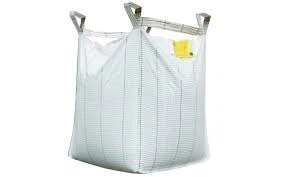
Selecting the appropriate Bottom Lift Bulk Bag for your specific requirements is a crucial decision that can significantly impact the efficiency, safety, and cost - effectiveness of your material handling operations. As a seasoned Bottom Lift Bulk Bag supplier, I am here to share some valuable insights to help you make an informed choice.
Understanding Bottom Lift Bulk Bags
Before delving into the selection process, it's essential to understand what Bottom Lift Bulk Bags are. A Bottom Lift Bulk Bag is a type of flexible intermediate bulk container (FIBC) designed to be lifted from the bottom. This design offers several advantages, such as easier and more stable handling, especially when dealing with heavy or irregularly shaped loads. Unlike Top Lift Bulk Bags, which are lifted from the top using loops, bottom lift bulk bags are typically lifted using a pallet or a special lifting device.
Assessing Your Material
The first step in choosing the right bottom lift bulk bag is to assess the characteristics of the material you will be storing and transporting. Consider the following factors:
Material Type
Different materials have different properties that can affect the choice of bulk bag. For example, if you are handling dry, free - flowing materials like grains or powders, a standard woven polypropylene bulk bag may be sufficient. However, if you are dealing with corrosive chemicals or food products, you may need a bag made from a more specialized material, such as a coated polypropylene or a polyethylene liner.
Material Density
The density of your material is another important factor. Heavier materials require bulk bags with higher load - bearing capacities. You need to calculate the weight of the material you will be filling the bag with and choose a bag that can safely support that weight. Overloading a bulk bag can lead to structural failure, which can be dangerous and result in product loss.
Particle Size
The size of the particles in your material can also influence your choice. Fine particles may require a bag with a tighter weave to prevent leakage. On the other hand, larger particles may not need as tight a weave, but you still need to ensure that the bag can withstand the abrasion caused by the movement of the particles.
Determining the Required Capacity
Once you have assessed your material, the next step is to determine the required capacity of the bottom lift bulk bag. This depends on several factors, including:
Storage and Transportation Space
Consider the available space in your storage facility and transportation vehicles. You need to choose a bag size that can fit comfortably in these spaces without causing overcrowding or making it difficult to handle. For example, if you have limited storage space, you may want to choose a smaller - capacity bag.
Production Volume
Your production volume also plays a role in determining the bag capacity. If you have a high - volume production process, you may need larger - capacity bags to reduce the frequency of bag changes. Conversely, if your production volume is low, smaller - capacity bags may be more suitable.
Evaluating Bag Construction and Design
The construction and design of the bottom lift bulk bag are critical for its performance and durability. Here are some aspects to consider:


Weave Pattern
The weave pattern of the bag fabric affects its strength and flexibility. A tight weave provides better resistance to tearing and puncturing, while a looser weave may be more flexible. The choice of weave pattern depends on the type of material you are handling and the handling conditions.
Seams and Stitching
The seams and stitching of the bag are areas of potential weakness. Look for bags with strong, well - sewn seams. Reinforced seams can provide additional strength and prevent the bag from coming apart during handling.
Bottom Design
The bottom design of the bag is crucial for bottom - lifting operations. A well - designed bottom should be flat and stable to ensure proper lifting and support. Some bottom lift bulk bags have a special bottom structure, such as a reinforced panel or a pallet - like base, to improve stability.
Considering Safety and Compliance
Safety should always be a top priority when choosing a bottom lift bulk bag. You need to ensure that the bag meets all relevant safety standards and regulations.
Load - Bearing Capacity
As mentioned earlier, the bag must have a sufficient load - bearing capacity to safely handle your material. Check the manufacturer's specifications for the bag's maximum load capacity and make sure it is appropriate for your needs.
Static Electricity Dissipation
If you are handling flammable or explosive materials, you need to choose a bag that can dissipate static electricity. Static electricity can cause sparks, which can be a fire or explosion hazard. Some bulk bags are designed with anti - static additives or conductive fibers to prevent the buildup of static charge.
Regulatory Compliance
Depending on the type of material you are handling, the bag may need to comply with certain regulations. For example, if you are transporting food products, the bag must meet food - grade standards. Make sure the bag you choose complies with all relevant local, national, and international regulations.
Cost - Benefit Analysis
Finally, you need to conduct a cost - benefit analysis. While it's important to choose a high - quality bottom lift bulk bag, you also need to consider the cost. Compare the prices of different bags from various suppliers, taking into account the features, quality, and durability of the bags.
Don't just focus on the upfront cost. Consider the long - term costs, such as the frequency of bag replacement, maintenance costs, and the potential cost of product loss due to bag failure. A slightly more expensive bag that is more durable and reliable may actually save you money in the long run.
Conclusion
Choosing the right Bottom Lift Bulk Bag for your needs is a complex process that requires careful consideration of several factors. By assessing your material, determining the required capacity, evaluating the bag's construction and design, considering safety and compliance, and conducting a cost - benefit analysis, you can make an informed decision.
If you have any questions or need further assistance in choosing the right Bottom Lift Bulk Bag, please don't hesitate to contact us. Our team of experts is ready to help you find the perfect solution for your material handling needs.
References
- "Flexible Intermediate Bulk Containers (FIBCs): A Guide to Selection and Use" - Industry Publication
- "Safety Standards for Bulk Bags" - National Regulatory Agency
- "Material Handling Best Practices" - Professional Association Whitepaper