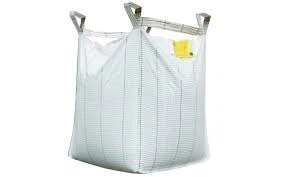
As a supplier of Multi-layer Kraft Paper M-fold Valve Bags, I understand the critical importance of ensuring the strength and quality of our products. These bags are widely used in various industries for packaging different types of products, from powders and granules to small parts. Therefore, rigorous testing of their strength is essential to guarantee they can withstand the rigors of handling, storage, and transportation. In this blog, I will share some effective methods to test the strength of Multi-layer Kraft Paper M-fold Valve Bags.
1. Tensile Strength Test
The tensile strength of the multi-layer kraft paper is a fundamental indicator of the bag's overall strength. This test measures the maximum amount of tensile stress the paper can withstand before breaking. To conduct this test, we typically use a tensile testing machine.
First, we cut rectangular samples from the multi-layer kraft paper used to make the M-fold valve bags. The samples should be of a standard size, usually around 15mm in width and 150mm in length. These samples are then clamped at both ends of the tensile testing machine.
The machine gradually applies a pulling force to the sample at a constant speed. As the force increases, the sample stretches until it finally breaks. The machine records the maximum force applied at the moment of breakage. This value is then used to calculate the tensile strength of the paper by dividing the maximum force by the cross-sectional area of the sample.
A higher tensile strength indicates that the paper can better resist pulling forces during handling and transportation, reducing the risk of the bag tearing. For example, if a bag is being lifted by a forklift or pulled along a conveyor belt, the paper needs to have sufficient tensile strength to prevent it from ripping.
2. Bursting Strength Test
The bursting strength test is another crucial test for multi-layer kraft paper M-fold valve bags. This test measures the ability of the paper to withstand a sudden increase in pressure from within the bag.
We use a bursting strength tester for this test. A circular sample of the paper is placed on the tester, and a rubber diaphragm is pressed against the sample. The tester then applies a gradually increasing hydraulic pressure to the diaphragm, which in turn presses against the paper.
As the pressure increases, the paper deforms until it finally bursts. The tester records the maximum pressure at the moment of bursting. This value represents the bursting strength of the paper.
In practical applications, when the bag is filled with products, especially those that may generate internal pressure, such as powders or granules, the bag needs to have sufficient bursting strength to prevent it from bursting open. For instance, if a bag is overfilled or subjected to external impacts during transportation, the internal pressure may increase, and a high bursting strength can ensure the bag remains intact.
3. Puncture Resistance Test
Puncture resistance is also an important factor to consider when testing the strength of multi-layer kraft paper M-fold valve bags. This test measures the ability of the paper to resist being punctured by sharp objects.
To conduct this test, we use a puncture tester. A sample of the paper is placed on a flat surface, and a sharp probe is driven into the paper at a constant speed. The tester records the maximum force required to puncture the paper.
A higher puncture resistance means that the bag is less likely to be damaged by sharp objects during handling and storage. For example, if the bags are stored in a warehouse where there may be sharp tools or rough surfaces, a high puncture resistance can prevent the bags from being punctured, protecting the contents inside.
4. Edge Tear Resistance Test
The edge tear resistance test focuses on the ability of the paper at the edges of the M-fold valve bag to resist tearing. The edges of the bag are more vulnerable to tearing during folding, sealing, and handling.
We use an edge tear tester for this test. A rectangular sample of the paper is notched at one end, and then the sample is clamped at both ends of the tester. The tester applies a pulling force to the notched end of the sample, causing the tear to propagate along the edge of the paper. The tester records the force required to tear the paper along the edge.
Good edge tear resistance is essential for ensuring the integrity of the bag's edges. If the edges of the bag tear easily, it can lead to leakage of the contents and reduce the overall strength of the bag.
5. Compression Strength Test
For multi-layer kraft paper M-fold valve bags, compression strength is also a significant consideration. This test measures the ability of the bag to withstand the weight of other bags stacked on top of it during storage.


We stack a certain number of filled M-fold valve bags on top of each other in a controlled environment. A compression testing machine then applies a gradually increasing vertical force to the stack of bags. The machine records the maximum force that the stack can withstand before the bags start to deform or collapse.
A higher compression strength means that the bags can be stacked more securely in a warehouse, maximizing storage space. For example, in a large-scale storage facility, where thousands of bags may be stacked several layers high, the bags need to have sufficient compression strength to support the weight of the upper layers without collapsing.
6. Moisture Resistance Test
Moisture can significantly affect the strength of multi-layer kraft paper M-fold valve bags. If the paper absorbs too much moisture, its strength can be greatly reduced.
We conduct a moisture resistance test by exposing samples of the paper to a controlled humidity environment for a certain period of time, usually around 24 hours. The samples are then removed from the humidity chamber and immediately tested for their tensile strength and bursting strength.
By comparing the strength values before and after exposure to moisture, we can determine the extent to which moisture affects the strength of the paper. If the strength decreases significantly after exposure to moisture, it indicates that the paper has poor moisture resistance.
To improve moisture resistance, we can use coatings or laminations on the paper. For example, a polyethylene coating can be applied to the paper to create a barrier against moisture, helping to maintain the strength of the bag even in humid conditions.
7. Sealing Strength Test
The sealing of the multi-layer kraft paper M-fold valve bags is also critical for their overall strength and functionality. A weak seal can lead to leakage of the contents.
We use a sealing strength tester to test the strength of the bag's seals. A sample of the sealed bag is clamped at both ends of the tester, and the tester applies a pulling force to the seal until it breaks. The tester records the maximum force required to break the seal.
A strong seal ensures that the bag remains closed during handling and transportation, protecting the contents from spillage. For example, if a bag is filled with a fine powder, a weak seal can allow the powder to leak out, causing waste and potential environmental problems.
In conclusion, testing the strength of multi-layer kraft paper M-fold valve bags is a comprehensive process that involves multiple tests. By conducting these tests, we can ensure that our bags meet the highest quality standards and can effectively protect the products they contain.
If you are interested in our Multi-layer Kraft Paper M-fold Valve Bag, or other related products such as Multi-layer Kraft Paper Square Bottom Flat Bag and Multi-layer Kraft Paper Flat Open Bag, please feel free to contact us for more information and to discuss your specific requirements. We are committed to providing high-quality packaging solutions that meet your needs.
References
- ASTM International. (20XX). Standard Test Methods for Tensile Properties of Paper and Paperboard.
- TAPPI. (20XX). Test Methods for Bursting Strength of Paper and Paperboard.
- ISO. (20XX). International Standards for Puncture Resistance Testing of Paper and Paper Products.