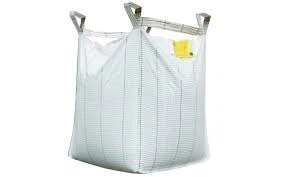
Hey there! As a supplier of Paper - plastic Composite M - fold Open Bags, I've got a lot to share about how to test the performance of these bags. These bags are super useful in various industries, from food to chemicals, because they combine the strength of paper and the flexibility of plastic. So, let's dive into the testing process.
1. Tensile Strength Testing
Tensile strength is crucial for Paper - plastic Composite M - fold Open Bags. It determines how much pulling force the bag can withstand before it tears. To test this, we use a tensile testing machine. First, we cut a sample from the bag in a standard size, usually a strip about 1 inch wide and 6 inches long.
We then clamp the sample in the machine, one end at the top and the other at the bottom. The machine slowly pulls the sample apart at a constant speed. As it does this, it records the force applied and the amount of stretch. The maximum force the sample can handle before breaking is its tensile strength.
A high tensile strength means the bag can handle rough handling during transportation and storage. For example, if you're using these bags to pack heavy items like grains or powders, a bag with low tensile strength might tear easily, causing spillage. You can check out our Paper - plastic Composite Square Bottom M - fold Bag which is designed to have good tensile strength for such applications.
2. Bursting Strength Testing
Another important test is the bursting strength test. This test measures the ability of the bag to resist internal pressure. Think about it like this: when you fill a bag with a product, there's pressure inside the bag. If the bag can't handle that pressure, it will burst.
To conduct this test, we place a circular sample of the bag on a rubber diaphragm in a bursting strength tester. The tester then applies hydraulic pressure to the diaphragm, which in turn presses against the bag sample. The pressure keeps increasing until the bag sample bursts. The pressure at which the burst occurs is the bursting strength of the bag.
A good bursting strength is essential, especially for bags that are filled with products that expand or generate pressure, like some chemicals or food products. Our Paper - plastic Composite Tear - open Bag is engineered to have a high bursting strength to ensure product safety.
3. Seal Strength Testing
The seals of the Paper - plastic Composite M - fold Open Bags are critical. If the seals are weak, the contents of the bag can leak out. To test the seal strength, we cut a sample of the sealed area from the bag.


We use a similar tensile testing machine as for the tensile strength test. We clamp the two sides of the sealed sample and slowly pull them apart. The force required to separate the seal is the seal strength.
A strong seal is necessary for keeping the contents fresh and preventing contamination. For example, if you're packing food items, a weak seal can let in air and moisture, spoiling the food. Our Paper - plastic Composite Flat Valve Bag has well - sealed edges to ensure product integrity.
4. Abrasion Resistance Testing
Bags often rub against each other or other surfaces during handling and transportation. That's why abrasion resistance is important. To test this, we use an abrasion tester.
We place a sample of the bag on a rotating drum covered with an abrasive material. The drum rotates, causing the bag sample to rub against the abrasive surface. We run the test for a set number of rotations. After that, we check the bag sample for any signs of wear, like holes or thinning of the material.
A bag with good abrasion resistance will last longer and look better during its use. If you're using these bags in a busy warehouse where there's a lot of movement, a bag that can resist abrasion will be more cost - effective in the long run.
5. Moisture Resistance Testing
Moisture can be a big problem for many products. If a bag allows moisture to penetrate, it can damage the contents. For example, if you're packing electronics or dry food, moisture can cause corrosion or spoilage.
To test the moisture resistance of the bag, we use a moisture permeability tester. We place a sample of the bag between two chambers, one with high humidity and the other with low humidity. The tester measures the amount of moisture that passes through the sample over a period of time.
A bag with low moisture permeability is ideal for products that are sensitive to moisture. Our Paper - plastic Composite M - fold Open Bags are designed to have good moisture resistance to protect your products.
6. Flexibility Testing
Flexibility is important because it allows the bag to conform to the shape of the product being packed. To test flexibility, we bend a sample of the bag back and forth a certain number of times.
We can do this manually or use a machine. After the bending test, we check for any cracks or delamination in the bag material. A flexible bag is easier to fill and stack, and it can also withstand some bending during handling without getting damaged.
Why These Tests Matter
All these tests are important because they ensure that our Paper - plastic Composite M - fold Open Bags meet the highest quality standards. By passing these tests, the bags can provide reliable protection for your products. Whether you're in the food industry, chemical industry, or any other industry that requires packaging, you can trust our bags to do the job.
If you're interested in our products and want to discuss your specific packaging needs, we're here to help. We can customize the bags according to your requirements, such as size, thickness, and printing. Contact us for a free consultation and let's start a great partnership!
References
- Packaging Technology Handbook, John Wiley & Sons
- ASTM International Standards for Packaging Materials