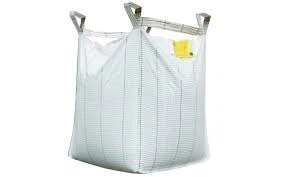
Mold growth in bulk bags for process handling is a persistent problem that can undermine the quality of stored products, pose health risks, and lead to significant financial losses. As a supplier of bulk bags for process handling, I understand the importance of preventing mold growth to ensure the integrity of the materials being transported and stored. In this blog, I'll discuss practical strategies to prevent mold growth in bulk bags, drawing on scientific knowledge and industry best practices.
Understanding the Conditions for Mold Growth
Mold is a type of fungus that thrives in warm, dark, and moist environments. To prevent mold from growing in bulk bags, it's essential to understand the key factors that contribute to its proliferation:
- Moisture: Mold requires water to grow and spread. Even small amounts of moisture can create a favorable environment for mold spores to germinate and develop.
- Temperature: Mold grows best in temperatures between 77°F and 86°F (25°C and 30°C). While it can survive in colder or warmer conditions, its growth rate slows down significantly outside of this ideal range.
- Oxygen: Mold is an aerobic organism, which means it requires oxygen to survive. Adequate ventilation is crucial to prevent the buildup of stagnant air and reduce the risk of mold growth.
- Nutrients: Mold feeds on organic matter, such as dust, dirt, and food particles. Keeping bulk bags clean and free of debris can help eliminate potential food sources for mold.
Preventive Measures for Mold Growth
1. Choose the Right Bulk Bag Material
The material of the bulk bag plays a crucial role in preventing mold growth. Opt for bags made from breathable materials that allow air circulation and moisture to escape. Woven polypropylene is a popular choice for bulk bags due to its strength, durability, and breathability. Look for bags with anti - static and UV - stabilized properties, which can enhance their performance and longevity.


When selecting bulk bags, consider the specific requirements of your application. For example, if you're storing hygroscopic materials (materials that absorb moisture from the air), you may need a bag with a higher level of moisture resistance. Our Bottom Lift Bulk Bag and Top Lift Bulk Bag are available in a variety of materials and configurations to meet your needs.
2. Proper Storage Conditions
- Temperature and Humidity Control: Store bulk bags in a cool, dry place with a relative humidity level below 60%. Use dehumidifiers or air - conditioning systems to maintain optimal humidity levels, especially in areas with high humidity. Avoid storing bags in areas prone to condensation, such as near cold walls or in unventilated basements.
- Ventilation: Ensure adequate ventilation in the storage area to promote air circulation and prevent the buildup of moisture. Use fans or open windows to improve airflow, and avoid stacking bags too closely together, as this can restrict air movement.
- Elevated Storage: Store bulk bags on pallets or racks to keep them off the ground. This helps prevent moisture from seeping into the bags from the floor and reduces the risk of contamination.
3. Quality Control During Filling
- Cleanliness: Ensure that the bulk bags, filling equipment, and storage facilities are clean and free of dust, dirt, and debris before filling. Regularly clean and sanitize the equipment to remove any potential mold spores or food sources.
- Moisture Monitoring: Measure the moisture content of the product before filling the bulk bags. If the moisture content is too high, consider drying the product or using desiccants to absorb excess moisture. Monitor the moisture levels during storage to detect any signs of moisture accumulation early on.
- Proper Filling Techniques: Fill the bulk bags evenly to prevent the formation of voids or pockets where moisture can accumulate. Avoid overfilling the bags, as this can cause the seams to stretch and increase the risk of leakage.
4. Inspection and Maintenance
- Regular Inspections: Conduct regular inspections of the bulk bags to check for signs of mold growth, such as discoloration, musty odors, or visible mold colonies. Inspect the bags before and after storage, as well as during transportation.
- Prompt Action: If mold is detected on a bulk bag, take immediate action to prevent its spread. Isolate the affected bag and remove it from the storage area. Depending on the severity of the mold growth, you may need to discard the bag and its contents or clean and disinfect the bag before reuse.
- Maintenance of Storage Facilities: Keep the storage facilities clean and well - maintained. Repair any leaks or water damage promptly, and ensure that the ventilation systems are working properly.
Additional Tips for Mold Prevention
- Use of Desiccants: Place desiccant packets inside the bulk bags to absorb excess moisture. Silica gel is a common desiccant used in packaging applications due to its high moisture - absorption capacity.
- Coatings and Treatments: Consider using bulk bags with anti - mold coatings or treatments. These coatings can help inhibit the growth of mold on the surface of the bags and provide an additional layer of protection.
- Training and Education: Provide training to your employees on the importance of mold prevention and the proper handling and storage of bulk bags. Educate them on the signs of mold growth and the steps to take to prevent its spread.
Conclusion
Preventing mold growth in bulk bags for process handling is essential for maintaining the quality and safety of your products. By understanding the conditions that promote mold growth and implementing the preventive measures outlined in this blog, you can significantly reduce the risk of mold contamination in your bulk bags.
As a supplier of bulk bags for process handling, I'm committed to providing high - quality products and expert advice to help you prevent mold growth and ensure the success of your operations. If you're interested in learning more about our bulk bags or need assistance with mold prevention, please don't hesitate to reach out. We're here to help you find the best solutions for your needs and support you in every step of the process.
References
- Samson, R. A., & Pitt, J. I. (Eds.). (2000). Modern Penicillium and Aspergillus Classification. Harwood Academic Publishers.
- Titley, B. C. (1990). Stored - product mycology. Trueman Books.
- Anderson, D. B., & Vannier, E. (Eds.). (2009). Low - temperature preservation of biological materials: fundamentals of cryobiology and lab practice. CRC Press.