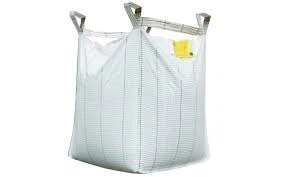
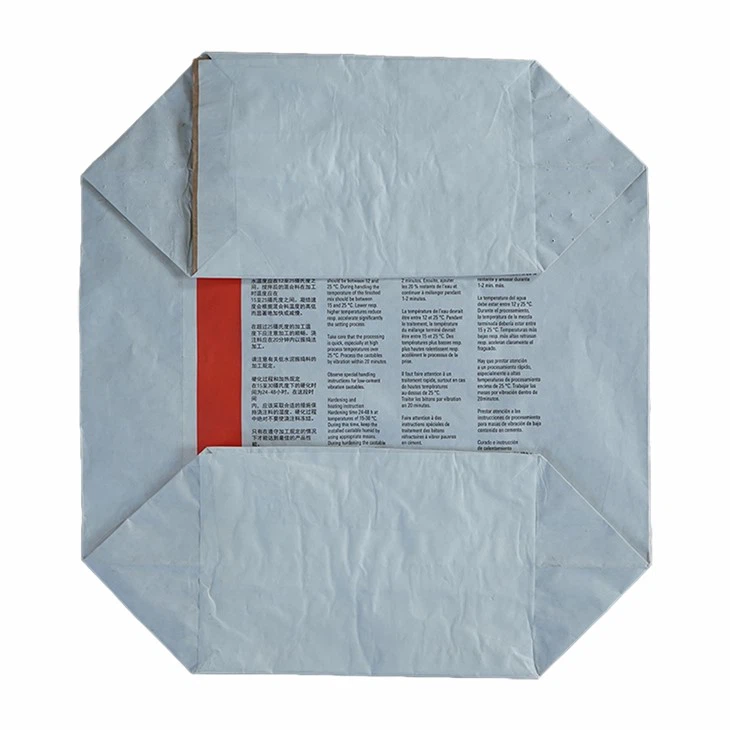
Hey there! As a supplier of Paper - plastic Composite M - fold Open Bags, I've seen my fair share of issues related to static electricity. Static can be a real pain in the neck when it comes to these bags. It can cause all sorts of problems, like bags sticking together, attracting dust, and even posing a risk in some environments. So, today I'm gonna share some tips on how to prevent static electricity on these bags.
Understanding Static Electricity on Paper - plastic Composite M - fold Open Bags
First things first, let's understand why static electricity builds up on these bags. When two materials rub against each other, electrons can be transferred from one material to the other. In the case of paper - plastic composite bags, the friction between the paper and plastic layers, or between the bags and other surfaces during handling, can lead to a charge imbalance. This imbalance results in static electricity.
Humidity Control
One of the simplest and most effective ways to prevent static is by controlling the humidity in the storage and handling environment. Dry air is a breeding ground for static electricity. When the air is dry, there are fewer water molecules to conduct the electrical charge away. You can use a humidifier to increase the humidity level in the area where the bags are stored or used. Aim for a relative humidity of around 40 - 60%. This range helps to keep the air moist enough to dissipate static charges but not so humid that it causes other issues like mold growth.
Anti - static Additives
Another option is to use anti - static additives during the manufacturing process. These additives can be incorporated into the plastic layer of the paper - plastic composite bags. Anti - static additives work by attracting moisture from the air and forming a thin, conductive layer on the surface of the bag. This layer helps to dissipate the static charge as it builds up. There are different types of anti - static additives available, such as internal additives that are mixed into the plastic resin during extrusion and external additives that are applied as a coating after the bags are formed.

Grounding
Grounding is a crucial step in preventing static electricity. Make sure that all the equipment used to handle the bags, such as conveyors, filling machines, and storage racks, is properly grounded. Grounding provides a path for the static charge to flow safely to the ground. You can use grounding straps or wires to connect the equipment to a grounding rod. When handling the bags, workers should also be grounded. They can wear anti - static wrist straps or shoes with conductive soles. This ensures that any static charge generated by the workers is transferred to the ground instead of building up on the bags.
Anti - static Brushes and Bars
Anti - static brushes and bars can be installed on equipment where the bags come into contact. These devices work by neutralizing the static charge on the surface of the bags. Anti - static brushes are made of conductive materials and can be placed along conveyor belts or other areas where the bags move. As the bags pass by the brush, the charge is transferred to the brush and then to the ground. Anti - static bars, on the other hand, use ionized air to neutralize the static charge. They emit positive and negative ions that attach to the charged particles on the bags, neutralizing the charge.
Proper Handling Techniques
Training your staff on proper handling techniques can also help to reduce static electricity. Encourage them to handle the bags gently and avoid rough rubbing or dragging. When stacking the bags, make sure they are placed in a way that minimizes friction between them. For example, use smooth surfaces and avoid over - stacking, which can increase the pressure and friction between the bags.
Static - dissipative Flooring
Installing static - dissipative flooring in the areas where the bags are handled can also make a big difference. Static - dissipative flooring is designed to conduct static charges safely to the ground. It has a low electrical resistance, which allows the charge to flow away gradually instead of building up. This type of flooring can be used in warehouses, production areas, and other places where the bags are stored or processed.
Using Anti - static Packaging
In addition to preventing static on the bags themselves, you can also use anti - static packaging materials when shipping the bags. For example, you can use anti - static bubble wrap or anti - static liners in the shipping boxes. These materials help to protect the bags from static charges during transit.
Conclusion
Preventing static electricity on Paper - plastic Composite M - fold Open Bags is essential for smooth handling, product quality, and safety. By implementing a combination of humidity control, anti - static additives, grounding, proper handling techniques, and the use of anti - static materials, you can significantly reduce the risk of static - related problems.
If you're in the market for high - quality Paper - plastic Composite M - fold Open Bags or other related products like Paper - plastic Composite Square Bottom Flat Bag, Paper - plastic Composite Tear - open Bag, or Paper - plastic Composite M - fold Valve Bag, feel free to reach out for a consultation. We're here to provide you with the best solutions for your packaging needs.
References
- "Static Electricity: Causes and Prevention" - Industrial Hygiene Handbook
- "Anti - static Additives in Plastics" - Polymer Science Journal
- "Humidity and Static Electricity" - Environmental Science Reports