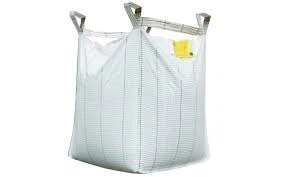
As a supplier of bulk bags for process handling, I understand the critical importance of preventing contamination in these essential industrial tools. Bulk bags, also known as FIBCs (Flexible Intermediate Bulk Containers), are widely used in various industries to store and transport bulk materials such as chemicals, food products, pharmaceuticals, and minerals. Contamination in bulk bags can lead to a range of issues, including product spoilage, quality degradation, regulatory non - compliance, and potential health risks. In this blog post, I will share some effective strategies on how to prevent contamination in bulk bags for process handling.
1. Material Selection
The first step in preventing contamination starts with choosing the right materials for the bulk bags. The fabric used in bulk bags should be of high - quality and suitable for the specific application. For example, if the bulk bag is intended for food or pharmaceutical use, it must comply with relevant food - grade or pharmaceutical - grade standards.
- Food - grade materials: When dealing with food products, the bulk bag material should be non - toxic, odorless, and resistant to microbial growth. It should also be able to withstand the temperature and humidity conditions during storage and transportation. Many food - grade bulk bags are made from polyethylene or polypropylene, which are known for their chemical stability and low reactivity.
- Anti - static materials: In industries where there is a risk of static electricity, such as the handling of flammable powders, anti - static bulk bags are essential. These bags are made with conductive materials that can dissipate static charges, reducing the risk of ignition and contamination caused by electrostatic discharge.
2. Manufacturing Process
The manufacturing process of bulk bags plays a crucial role in preventing contamination. A well - controlled manufacturing environment and strict quality control measures are necessary to ensure that the bags are free from contaminants.
- Clean manufacturing facilities: The production facilities should be kept clean and free from dust, dirt, and other foreign particles. Regular cleaning and maintenance of the manufacturing equipment are also essential. Workers should wear appropriate protective clothing, including hairnets, gloves, and masks, to prevent the introduction of human - related contaminants such as hair, skin cells, and saliva.
- Quality control checks: At every stage of the manufacturing process, quality control checks should be carried out. This includes inspecting the raw materials for any signs of contamination, checking the stitching and seams of the bags for integrity, and conducting final inspections before the bags are shipped. For example, a visual inspection can be used to detect any visible defects or foreign objects in the bags.
3. Storage and Handling
Proper storage and handling of bulk bags are vital to prevent contamination.
- Clean storage areas: Bulk bags should be stored in clean, dry, and well - ventilated areas. The storage facility should be protected from environmental contaminants such as rain, snow, and dust. Shelving or pallets can be used to keep the bags off the floor, reducing the risk of contact with dirt and moisture.
- Handling procedures: When handling bulk bags, it is important to use clean equipment. Forklifts, pallet jacks, and other handling tools should be regularly cleaned to prevent the transfer of contaminants from one bag to another. Additionally, workers should be trained on proper handling techniques to avoid damaging the bags, which could lead to contamination. For example, sharp objects should not be used near the bags, and the bags should be lifted and moved carefully to prevent tearing.
4. Closure Systems
The closure systems of bulk bags are another area where contamination can occur. A proper closure system can prevent the entry of foreign particles and keep the contents of the bag secure.
- Zipper closures: Some bulk bags are equipped with zipper closures, which provide a convenient and secure way to seal the bag. However, it is important to ensure that the zipper is clean and in good working condition. Regular inspection of the zipper for any signs of damage or dirt is necessary.
- Tie - down closures: Tie - down closures, such as drawstrings or straps, are also commonly used. These closures should be tightened properly to prevent the bag from opening accidentally and allowing contaminants to enter.
5. Liner Selection
Using liners in bulk bags can provide an additional layer of protection against contamination.
- Polyethylene liners: Polyethylene liners are commonly used in bulk bags. They are impermeable to moisture and can prevent the migration of contaminants from the outside environment to the contents of the bag. Liners can also help to keep the contents of the bag clean by providing a smooth, non - porous surface.
- Custom - made liners: In some cases, custom - made liners may be required to meet specific contamination - prevention requirements. For example, if the bulk bag is used to store corrosive chemicals, a liner made of a chemical - resistant material may be necessary.
6. Transportation
During transportation, bulk bags are exposed to various risks of contamination.
- Clean transport vehicles: The transport vehicles used to move the bulk bags should be clean and free from contaminants. Regular cleaning of the trucks, trailers, or containers is essential. The vehicles should also be equipped with proper ventilation systems to prevent the build - up of moisture and odors.
- Secure packaging: The bulk bags should be properly secured during transportation to prevent them from shifting or being damaged. This can be achieved by using pallets, straps, or other securing devices. Additionally, the bags should be protected from external elements such as rain and sunlight.
Types of Bulk Bags
There are different types of bulk bags available for process handling, each with its own features and benefits.
- Top Lift Bulk Bag: Top lift bulk bags are designed to be lifted from the top using a forklift or crane. They are suitable for applications where the bag needs to be easily maneuvered and positioned. These bags often have strong lifting loops at the top for secure lifting.
- Bottom Lift Bulk Bag: Bottom lift bulk bags, on the other hand, are lifted from the bottom. They are ideal for applications where the bag needs to be emptied directly into a processing machine or container. The bottom lift design allows for easy and efficient discharge of the contents.
Conclusion
Preventing contamination in bulk bags for process handling is a multi - faceted challenge that requires attention to every aspect of the bag's life cycle, from material selection and manufacturing to storage, handling, and transportation. By implementing the strategies outlined in this blog post, you can significantly reduce the risk of contamination and ensure the quality and safety of your bulk materials.
If you are in the market for high - quality bulk bags for process handling and want to discuss your specific contamination - prevention needs, I encourage you to reach out to us. We have a wide range of bulk bags available, including the Top Lift Bulk Bag and Bottom Lift Bulk Bag, and our team of experts can help you find the perfect solution for your business.


References
- ASTM International. (20XX). Standard specifications for flexible intermediate bulk containers (FIBCs).
- European Federation of Bulk Packaging Manufacturers. (20XX). Guidelines for the safe use of flexible intermediate bulk containers.
- Food and Drug Administration. (20XX). Regulations on food - grade packaging materials.