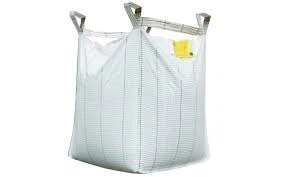
As a seasoned supplier of paper - plastic composite packaging bags, I've witnessed the rapid evolution of the packaging industry. In today's highly competitive market, the design of these packaging bags isn't just about aesthetics; it encompasses functionality, environmental sustainability, and cost - effectiveness. Here, I'll share some key strategies for optimizing the design of paper - plastic composite packaging bags.
Functionality Enhancement
Understanding the Product
The first step in optimizing the design of paper - plastic composite packaging bags is to have a thorough understanding of the product that will be packed. Different products have distinct requirements. For instance, food products need packaging that can preserve freshness, prevent contamination, and provide proper ventilation in some cases. Chemical products, on the other hand, demand packaging that is resistant to corrosion and leakage.
If you're packaging a powder product, the design should include features to prevent spillage. You might consider a Paper - plastic Composite M - fold Open Bag, which has an open - top design that can be easily filled and then sealed properly. This type of bag can also be equipped with a resealable option for better user convenience and product preservation.
Easy - to - use Features
Consumers appreciate products that are easy to open, close, and use. Incorporating easy - to - use features in the design of paper - plastic composite packaging bags can significantly enhance the user experience. For example, adding a zipper closure to the bag allows for repeated access to the product without the need for additional tools. This not only makes it convenient for consumers but also helps to maintain the quality of the product inside.
Another aspect is the handling of the bag. Designing the bag with proper grips or handles can make it easier for consumers to carry. For larger and heavier bags, reinforced handles can prevent tearing and ensure safe transportation.
Protection and Durability
One of the primary functions of packaging is to protect the product during storage and transportation. The design of paper - plastic composite packaging bags should take into account the potential hazards such as impact, moisture, and light. Using multiple layers of paper and plastic can provide better protection. A layer of plastic film can act as a barrier against moisture and oxygen, while the paper layer can add strength and durability.
For products that are prone to breakage, such as glassware or ceramics, the design can include internal cushioning materials. This can be integrated into the bag's structure during the manufacturing process, providing extra protection without sacrificing the overall aesthetic or size of the packaging.
Aesthetics and Branding
Visual Appeal
In a crowded marketplace, the visual appeal of your packaging can make or break a sale. The design of paper - plastic composite packaging bags should be eye - catching and memorable. Choosing the right colors, patterns, and graphics is crucial. Colors can evoke different emotions and associations. For example, green is often associated with nature and sustainability, which can be beneficial for eco - friendly products.
Using high - quality printing techniques on the bags can ensure that the graphics are sharp and vibrant. This not only enhances the overall look of the bag but also reflects positively on your brand's image.
Branding Elements
Your packaging is an extension of your brand. Incorporating branding elements such as your logo, brand name, and tagline on the paper - plastic composite packaging bags can help to build brand recognition. The logo should be prominently placed and easily recognizable. The use of consistent fonts and colors that match your brand identity across all packaging materials can strengthen brand recall.
For example, if your brand is known for its minimalist style, the packaging design should follow suit. Simple and clean lines, along with a limited color palette, can convey a sense of sophistication and quality.
Environmental Sustainability
Material Selection
In recent years, there has been a growing demand for environmentally friendly packaging solutions. As a supplier, we have a responsibility to offer sustainable options. When designing paper - plastic composite packaging bags, choosing the right materials is essential. Opt for recycled paper and biodegradable plastics whenever possible.
Recycled paper reduces the demand for virgin wood pulp, which helps to conserve forests. Biodegradable plastics break down more easily in the environment, reducing the amount of plastic waste. Some advanced biodegradable plastics can even be composted, further contributing to a circular economy.


Minimizing Waste
Another way to make the design more sustainable is to minimize waste during the manufacturing process. This can be achieved by optimizing the cutting patterns of the paper and plastic materials. By reducing the amount of scrap material generated, we not only save resources but also lower production costs.
The design can also encourage consumers to recycle or reuse the packaging bags. For example, you can include clear recycling instructions on the bag or design the bag in a way that it can be easily repurposed.
Cost - effectiveness
Material Optimization
Balancing quality and cost is a key challenge in packaging design. To optimize the cost of paper - plastic composite packaging bags, we need to carefully select the materials. Instead of using thick layers of paper and plastic throughout the bag, we can use a combination of different materials in different areas. For example, reinforce the high - stress areas while using thinner materials in the less - critical parts of the bag.
Another approach is to source materials from reliable and cost - effective suppliers. Building long - term partnerships with suppliers can often result in better pricing and more favorable terms.
Manufacturing Efficiency
Improving manufacturing efficiency can also reduce costs. Streamlining the production process, reducing downtime, and increasing the output per unit of time can all contribute to cost savings. This might involve investing in new machinery, training employees, and implementing lean manufacturing principles.
Tailored Design for Different Applications
Retail Applications
In the retail sector, the appearance of the packaging is often crucial. The bag should be able to stand out on the shelves. Consider a Paper - plastic Composite Square Bottom M - fold Bag for retail products. The square bottom provides stability, allowing the bag to stand upright, which is great for product display. The M - fold design can add an elegant touch and provide more surface area for branding and product information.
Industrial Applications
For industrial products, the focus is more on functionality and durability. Products such as building materials or industrial chemicals need packaging that can withstand rough handling and harsh environments. A Paper - plastic Composite Crepe Paper Sewn Bottom Bag can be a great choice. The crepe paper adds strength and flexibility, while the sewn bottom ensures a secure closure.
Conclusion
Optimizing the design of paper - plastic composite packaging bags requires a comprehensive approach that takes into account functionality, aesthetics, environmental sustainability, and cost - effectiveness. By understanding the needs of the product, the target market, and the latest trends in the packaging industry, we can create packaging solutions that not only protect the product but also enhance the brand image and meet the growing demand for sustainable options.
If you're interested in exploring how our paper - plastic composite packaging bags can be tailored to your specific needs, we invite you to reach out to us for a procurement discussion. We're eager to work with you to develop the perfect packaging solution for your products.
References
- Packaging Machinery Manufacturers Institute (PMMI). "The Future of Packaging Design."
- Smith, J. "Sustainable Packaging Solutions: A Primer."