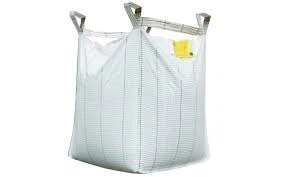
As a supplier of Paper - plastic Composite Printed Bags, I've encountered numerous inquiries regarding enhancing the heat - resistance of these bags. This blog aims to delve into effective strategies to make our paper - plastic composite printed bags more heat - resistant, which is crucial for various applications where the bags may be exposed to elevated temperatures.
Understanding the Basics of Paper - plastic Composite Printed Bags
Before we explore how to improve heat resistance, it's essential to understand what paper - plastic composite printed bags are. These bags are a combination of paper and plastic materials. The paper layer provides a natural and eco - friendly appearance, while the plastic layer offers strength, flexibility, and some degree of moisture resistance. They are widely used in industries such as food, chemicals, and consumer goods for packaging products.
There are different types of paper - plastic composite printed bags in our product range, including Lined Paper - plastic Composite Packaging Bag, Paper - plastic Composite Flat Open Bag, and Paper - plastic Composite Tear - open Bag. Each type has its unique features and is suitable for different packaging requirements.
Factors Affecting Heat Resistance
Several factors influence the heat resistance of paper - plastic composite printed bags. Firstly, the choice of materials plays a significant role. The type of plastic used in the composite can have different melting points and thermal stabilities. For example, polyethylene (PE) has a relatively low melting point compared to polypropylene (PP). So, if higher heat resistance is required, PP might be a better choice for the plastic layer.
The thickness of the plastic layer also matters. A thicker plastic layer can generally provide better heat insulation and resistance. However, it's a balance, as increasing the thickness too much can add to the cost and may also affect the bag's flexibility and printability.
The bonding between the paper and plastic layers is another critical factor. If the bonding is weak, high temperatures can cause delamination, where the paper and plastic separate. This not only affects the bag's appearance but also its structural integrity.
Strategies to Improve Heat Resistance
Material Selection
As mentioned earlier, choosing the right plastic material is key. Polypropylene is a popular option for heat - resistant applications. It has a higher melting point (around 160 - 170°C) compared to polyethylene (around 110 - 130°C). By using PP in the plastic layer of our paper - plastic composite printed bags, we can significantly enhance their heat resistance.
We can also consider using heat - resistant additives in the plastic formulation. For example, some additives can increase the thermal stability of the plastic, delaying its melting or degradation at high temperatures. These additives work by either absorbing heat energy or by forming a protective layer on the plastic surface.
In addition to the plastic, the type of paper used can also impact heat resistance. Papers with high lignin content or those treated with heat - resistant coatings can provide better insulation. For instance, kraft paper, which is known for its strength and durability, can be a good base material. It can withstand relatively high temperatures and also provides a natural look to the bag.
Process Optimization
The manufacturing process of the paper - plastic composite printed bags can be optimized to improve heat resistance. During the lamination process, where the paper and plastic are bonded together, we need to ensure a strong and uniform bond. This can be achieved by controlling the temperature, pressure, and bonding time. A proper lamination process will ensure that the paper and plastic layers are firmly attached, reducing the risk of delamination at high temperatures.


We can also implement heat - treatment processes after lamination. This involves subjecting the bags to a controlled heat cycle, which can help to stabilize the materials and improve their heat - resistant properties. Heat treatment can cause the plastic to crystallize in a more ordered manner, increasing its melting point and thermal stability.
Design Modifications
The bag's design can also be adjusted to enhance heat resistance. For example, adding an extra layer of heat - resistant material in strategic areas, such as the bottom or the corners of the bag, can provide additional protection. These areas are often more vulnerable to heat damage due to their higher contact with hot surfaces or due to stress concentrations.
Using a multi - layer structure instead of a simple two - layer (paper + plastic) design can also improve heat resistance. A multi - layer structure can include additional insulation layers or barrier layers that can further reduce heat transfer.
Testing and Quality Control
Once we have implemented these strategies to improve heat resistance, it's crucial to conduct thorough testing. We can use various testing methods, such as thermal imaging to measure the temperature distribution on the bag's surface when exposed to heat sources. We can also perform melt - point tests to determine the exact temperature at which the plastic in the bag starts to melt.
Quality control measures should be in place throughout the production process. This includes regular inspections of the raw materials, in - process checks during manufacturing, and final product testing. By ensuring high - quality standards, we can guarantee that our paper - plastic composite printed bags meet the required heat - resistant specifications.
Conclusion
Making paper - plastic composite printed bags more heat - resistant is a multi - faceted process that involves careful material selection, process optimization, design modifications, and rigorous testing. As a supplier, we are committed to providing our customers with high - quality, heat - resistant bags that meet their specific packaging needs.
If you are in the market for paper - plastic composite printed bags with excellent heat - resistant properties, we invite you to contact us for a procurement discussion. We can offer customized solutions based on your requirements and ensure that our products meet the highest standards of quality and performance.
References
- "Plastics in Packaging: Properties, Processing, and Applications" by John Murphy
- "Paper and Paperboard Packaging Technology" by Norman F. Campbell
- Industry reports on heat - resistant packaging materials and technologies