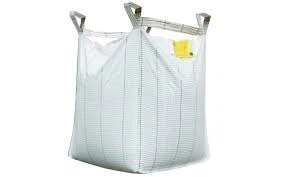
Labeling multi-layer kraft paper flat open bags is a crucial process that not only enhances the brand image but also provides essential information to consumers. As a supplier of multi-layer kraft paper flat open bags, I understand the significance of proper labeling and the impact it can have on the success of your product. In this blog post, I'll share some valuable insights on how to label these bags effectively.
Understanding the Purpose of Labeling
Before diving into the labeling process, it's important to understand the primary purposes of labeling multi-layer kraft paper flat open bags. Firstly, labels serve as a branding tool. They display your company logo, brand name, and unique selling points, helping to create brand recognition and differentiate your product from competitors. Secondly, labels provide important product information such as ingredients, usage instructions, warnings, and expiration dates. This information is essential for consumer safety and compliance with regulatory requirements.
Choosing the Right Label Material
The choice of label material is critical as it needs to adhere well to the kraft paper surface and withstand various environmental conditions. For multi-layer kraft paper flat open bags, pressure-sensitive labels are a popular choice. These labels are easy to apply and offer good adhesion. They come in a variety of materials, including paper, polyester, and polypropylene.
- Paper Labels: Paper labels are cost - effective and can be customized with different finishes such as matte or gloss. They are suitable for products with a shorter shelf - life or those that are not exposed to extreme moisture.
- Polyester Labels: Polyester labels are more durable and resistant to moisture, chemicals, and abrasion. They are ideal for products that may be stored in harsh environments or have a longer shelf - life.
- Polypropylene Labels: Polypropylene labels offer a good balance between cost and durability. They are resistant to water and have a smooth surface, making them suitable for high - quality printing.
Designing an Effective Label
A well - designed label can attract consumers' attention and convey the right message. Here are some key design elements to consider:
- Brand Identity: Incorporate your company logo, brand colors, and typography consistently on the label. This helps in building brand recognition. For example, if your brand is known for its eco - friendly image, use earthy colors and simple, clean fonts.
- Product Information: Clearly display the product name, description, and any relevant product features. Use bullet points or short paragraphs to make the information easy to read. For instance, if your multi - layer kraft paper bag is used for food products, list the ingredients and nutritional information prominently.
- Graphics and Images: Use high - quality graphics and images that are relevant to the product. For example, if you are selling coffee beans in the bag, include an image of freshly roasted coffee beans. This can enhance the visual appeal of the label.
- Compliance: Ensure that your label complies with all relevant regulations. This may include requirements for product safety, ingredient disclosure, and country - specific labeling laws.
Printing the Label
Once you have designed the label, the next step is to choose the right printing method. There are several printing options available:
- Flexographic Printing: This is a common and cost - effective printing method for labels. It uses flexible printing plates and can print on a variety of materials. Flexographic printing is suitable for large - volume label production.
- Digital Printing: Digital printing offers high - quality printing with quick turnaround times. It is ideal for small - to - medium - volume label production and allows for easy customization of labels.
- Offset Printing: Offset printing provides excellent print quality and is suitable for labels with detailed graphics and fine text. However, it is more expensive and has a longer setup time compared to digital and flexographic printing.
Applying the Label
Proper label application is essential to ensure a professional look. Here are some tips for applying labels to multi - layer kraft paper flat open bags:
- Surface Preparation: Make sure the surface of the kraft paper bag is clean and dry before applying the label. Any dust, dirt, or moisture can affect the adhesion of the label.
- Temperature and Humidity: Apply labels in an environment with controlled temperature and humidity. Extreme temperatures or high humidity can cause the label to wrinkle or not adhere properly.
- Application Method: Use a label applicator for consistent and accurate label placement. Manual application can be time - consuming and may result in uneven label placement.
Additional Considerations for Different Bag Types
In addition to multi - layer kraft paper flat open bags, we also offer Multi - layer Kraft Paper M - fold Open Bag and Multi - layer Kraft Paper M - fold Valve Bag. These bag types may require specific labeling considerations.
- M - fold Open Bags: The unique shape of M - fold open bags provides more surface area for labeling. You can take advantage of this by creating larger and more detailed labels. However, ensure that the label does not interfere with the folding and opening of the bag.
- M - fold Valve Bags: Valve bags are often used for packaging powders and granular products. Labels on these bags should be placed in a way that does not block the valve opening. Also, since these bags are often filled using automated equipment, the label should not cause any jams or misalignments during the filling process.
Compliance with Regulations
As a supplier, I am well - aware of the importance of regulatory compliance in labeling. Different industries and countries have specific labeling requirements. For example, food products may need to comply with food safety regulations, which include accurate ingredient listing, allergen information, and nutritional facts. Cosmetics and pharmaceutical products also have strict labeling requirements regarding product claims, ingredients, and safety warnings.
It is essential to stay updated on the latest regulations and work closely with your customers to ensure that all labels meet the necessary standards. This not only protects the consumers but also helps to avoid any legal issues.
Maintenance of Label Quality
Once the labels are applied to the multi - layer kraft paper flat open bags, it's important to maintain their quality during storage and transportation. Here are some tips:
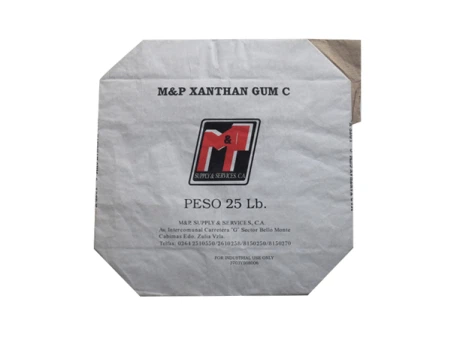

- Storage Conditions: Store the labeled bags in a cool, dry place away from direct sunlight. High temperatures and humidity can cause the labels to fade, peel, or become discolored.
- Handling: During transportation and handling, avoid rough treatment that could damage the labels. Use appropriate packaging materials to protect the bags from scratches and abrasions.
Conclusion
Labeling multi - layer kraft paper flat open bags is a multi - step process that requires careful consideration of label material, design, printing, and application. By choosing the right label material, designing an effective label, and ensuring regulatory compliance, you can create labels that enhance your brand image and provide valuable information to consumers.
If you are in the market for high - quality multi - layer kraft paper flat open bags and need assistance with labeling, we are here to help. We also offer Lined Multi - layer Kraft Paper Packaging Bag for more specialized packaging needs. Contact us to discuss your specific requirements and start a fruitful business partnership.
References
- "Labeling Regulations Handbook" by Regulatory Affairs Professionals Society
- "Packaging Design: Successful Product Branding from Concept to Shelf" by Margaret C. Hagan