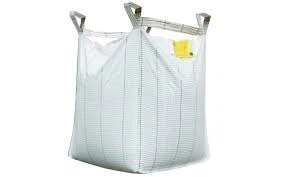
As a supplier of Paper - plastic Composite Tear - open Bags, I've faced numerous challenges in the manufacturing process. One of the most critical issues is enhancing the adhesion between paper and plastic in these bags. A strong bond not only ensures the bag's durability but also its functionality during use. In this blog, I'll share some effective ways to increase this adhesion based on my experience and industry knowledge.
Understanding the Basics of Paper - Plastic Adhesion
Before diving into the solutions, it's essential to understand why achieving good adhesion between paper and plastic is so difficult. Paper is a porous and hydrophilic material, while plastic is non - porous and hydrophobic. These differences in physical and chemical properties create a significant barrier to forming a strong bond.


The surface energy of the materials plays a crucial role. Paper typically has a higher surface energy, which allows it to interact well with polar substances. On the other hand, plastics like polyethylene and polypropylene have low surface energy, making it hard for adhesives to wet and spread on their surfaces.
Surface Treatment of Plastic
One of the most effective ways to increase adhesion is by treating the plastic surface. This can be done through several methods:
Corona Treatment
Corona treatment is a widely used method in the packaging industry. It involves exposing the plastic surface to a high - voltage corona discharge. This discharge creates free radicals on the plastic surface, which react with oxygen in the air to form polar functional groups such as carbonyl, carboxyl, and hydroxyl groups. These polar groups increase the surface energy of the plastic, making it more receptive to adhesives.
For example, when we treat a polyethylene film with corona discharge, the surface energy can increase from around 30 dynes/cm to over 40 dynes/cm. This improvement in surface energy allows the adhesive to wet the plastic surface more effectively, leading to better adhesion.
Plasma Treatment
Plasma treatment is another advanced surface treatment technique. It uses a low - temperature plasma to modify the plastic surface. Plasma contains highly reactive species such as ions, electrons, and free radicals. When these species interact with the plastic surface, they can etch the surface, introduce polar groups, and increase surface roughness.
Compared to corona treatment, plasma treatment can provide more precise control over the surface modification process. It can be used to treat complex plastic shapes and materials that are difficult to treat with corona discharge.
Selection of Adhesives
The choice of adhesive is also crucial for achieving strong adhesion between paper and plastic. Different types of adhesives have different properties and are suitable for different applications.
Solvent - Based Adhesives
Solvent - based adhesives have been widely used in the past. They offer good adhesion strength and flexibility. These adhesives work by dissolving the adhesive resin in a solvent. When the solvent evaporates, the adhesive forms a strong bond between the paper and plastic.
However, solvent - based adhesives have some drawbacks. They contain volatile organic compounds (VOCs), which are harmful to the environment and human health. In recent years, there has been a growing trend towards using more environmentally friendly adhesives.
Water - Based Adhesives
Water - based adhesives are a more sustainable alternative to solvent - based adhesives. They use water as the solvent, which significantly reduces VOC emissions. These adhesives are formulated with polymers such as acrylics, polyurethanes, and vinyl acetates.
Water - based adhesives can provide good adhesion to both paper and plastic. They are also easy to clean up and can be applied using various methods such as roll coating, spray coating, and gravure coating.
Hot - Melt Adhesives
Hot - melt adhesives are solid at room temperature and become liquid when heated. They are applied in a molten state and solidify quickly upon cooling, forming a strong bond. Hot - melt adhesives offer several advantages, including fast bonding speed, high bond strength, and resistance to moisture and chemicals.
They are suitable for high - speed production lines and can be used with a variety of paper and plastic materials. However, the application temperature of hot - melt adhesives needs to be carefully controlled to avoid damaging the paper or plastic.
Process Optimization
In addition to surface treatment and adhesive selection, optimizing the manufacturing process can also improve the adhesion between paper and plastic.
Pressure and Temperature
Applying the right amount of pressure and temperature during the lamination process is crucial. Pressure helps to ensure good contact between the paper, adhesive, and plastic, while temperature can affect the flow and curing of the adhesive.
For example, when using a hot - melt adhesive, the lamination temperature should be high enough to melt the adhesive but not so high that it damages the paper or plastic. Similarly, the pressure applied during lamination should be sufficient to spread the adhesive evenly without causing wrinkling or deformation of the materials.
Drying and Curing
Proper drying and curing of the adhesive are essential for achieving maximum adhesion strength. For water - based adhesives, the drying process should be carefully controlled to remove the water content without leaving any bubbles or voids in the adhesive layer.
Curing of the adhesive can be accelerated by using heat, UV light, or chemical catalysts. The curing time and conditions should be optimized based on the type of adhesive and the materials being bonded.
Quality Control
To ensure consistent adhesion quality, it's important to implement a comprehensive quality control system. This includes regular testing of the adhesion strength using methods such as peel tests and shear tests.
Peel tests measure the force required to separate the paper and plastic layers at a specific angle and speed. Shear tests, on the other hand, measure the force required to slide the paper and plastic layers relative to each other.
By monitoring the adhesion strength regularly, we can identify any issues early and make adjustments to the manufacturing process as needed.
Conclusion
Increasing the adhesion between paper and plastic in Paper - plastic Composite Tear - open Bags requires a combination of surface treatment, adhesive selection, process optimization, and quality control. By understanding the properties of paper and plastic and using the right techniques, we can produce bags with strong and durable bonds.
If you are interested in our Lined Paper - plastic Composite Packaging Bag, Paper - plastic Composite Flat Valve Bag, or Paper - plastic Composite Flat Open Bag, please feel free to contact us for more information and to discuss your specific requirements. We are committed to providing high - quality products and excellent service to our customers.
References
- Mittal, K. L. (Ed.). (1996). Adhesion Promotion Techniques: Technology, Theory, and Applications. Marcel Dekker.
- Harper, C. A. (Ed.). (2002). Handbook of Plastics, Elastomers, and Composites. McGraw - Hill.
- Wypych, G. (2004). Handbook of Adhesion Promoters. ChemTec Publishing.