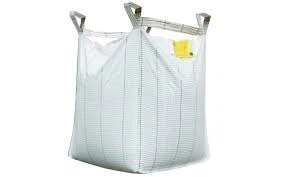
As a supplier of Paper - plastic Composite Flat Valve Bags, I understand the crucial role that sealing performance plays in the functionality and reliability of these bags. In this blog, I'll share some effective strategies to improve the sealing performance of Paper - plastic Composite Flat Valve Bags.
1. Material Selection
The choice of materials is fundamental to achieving good sealing performance. The paper and plastic components of the composite bag need to be carefully selected. High - quality kraft paper with appropriate thickness and strength can provide a stable base for the bag. It should have good tear resistance and be able to withstand the stress during filling and handling.
For the plastic layer, materials like polyethylene (PE) are commonly used. PE offers excellent flexibility, chemical resistance, and moisture - barrier properties. Different grades of PE can be chosen based on the specific requirements of the product to be packed. For example, low - density polyethylene (LDPE) provides better flexibility and a softer seal, while high - density polyethylene (HDPE) offers higher strength and better puncture resistance.
When selecting materials, it's also important to ensure compatibility between the paper and plastic layers. A well - bonded paper - plastic composite will prevent delamination at the seal area, which can compromise the sealing integrity. You can explore our Paper - plastic Composite Flat Valve Bag product page to see the high - quality materials we use in our bags.
2. Seal Design
The design of the seal itself is a key factor. There are several types of seals that can be used for Paper - plastic Composite Flat Valve Bags, such as heat seals and adhesive seals.
Heat Sealing
Heat sealing is a popular method due to its efficiency and reliability. When heat sealing, the temperature, pressure, and sealing time need to be precisely controlled. If the temperature is too low, the plastic layers may not melt and bond properly, resulting in a weak seal. On the other hand, if the temperature is too high, it can damage the paper layer or cause the plastic to degrade, also affecting the seal quality.
The pressure applied during heat sealing should be uniform across the seal area. Uneven pressure can lead to areas with poor bonding. The sealing time also needs to be optimized. A longer sealing time may seem like it would result in a stronger seal, but it can actually cause over - melting and distortion of the materials.
Adhesive Sealing
Adhesive sealing can be a good alternative, especially for applications where heat may damage the contents of the bag. The choice of adhesive is critical. It should have good adhesion to both the paper and plastic surfaces, and be resistant to environmental factors such as moisture and chemicals. The adhesive should be applied evenly to ensure a consistent seal.
In addition to the type of seal, the shape and width of the seal also matter. A wider seal generally provides more strength, but it may also increase the cost and material usage. A well - designed seal shape, such as a continuous or interrupted seal pattern, can enhance the sealing performance. For example, an interrupted seal pattern can allow for some flexibility in the bag while still maintaining a good seal.


3. Manufacturing Process Control
During the manufacturing process, strict quality control is essential to ensure good sealing performance.
Printing and Coating
If the bags are printed or coated, these processes need to be carefully managed. Printing inks and coatings can affect the surface properties of the paper and plastic layers, which in turn can impact the sealing. For example, some inks may leave a residue on the seal area, preventing proper bonding. Therefore, it's important to use inks and coatings that are compatible with the sealing process.
Cutting and Folding
Precise cutting and folding of the bags are necessary. Any irregularities in the cut edges or folds can lead to misalignment during sealing, resulting in a weak or incomplete seal. The cutting tools should be sharp and well - maintained to ensure clean cuts, and the folding equipment should be calibrated accurately.
Quality Inspection
Regular quality inspections should be carried out at various stages of the manufacturing process. This includes visual inspections for any visible defects in the seal, as well as testing the seal strength. Seal strength testing can be done using specialized equipment to measure the force required to break the seal. By detecting and correcting any issues early in the process, we can ensure that the final product meets the required sealing standards.
4. Storage and Handling
Proper storage and handling of the bags after manufacturing are also important to maintain the sealing performance.
Storage Conditions
The bags should be stored in a dry, cool environment. High humidity can cause the paper to absorb moisture, which can weaken the seal and also lead to mold growth. Extreme temperatures can also affect the properties of the plastic layer, potentially causing the seal to become brittle or lose its flexibility.
Handling Precautions
During handling, care should be taken to avoid sharp objects that can puncture or damage the seal area. Rough handling can also cause the seal to loosen or break. When stacking the bags, the weight should be evenly distributed to prevent excessive pressure on the seals.
5. Compatibility with Filling Equipment
The Paper - plastic Composite Flat Valve Bags need to be compatible with the filling equipment used. The filling process can put stress on the bags, especially at the seal area.
Valve Design
The valve design of the bag should be suitable for the filling equipment. A well - designed valve will allow for smooth filling without causing excessive pressure or stress on the seal. It should also be able to close tightly after filling to prevent leakage.
Filling Speed and Pressure
The filling speed and pressure need to be adjusted according to the bag's characteristics. High - speed filling at excessive pressure can cause the bag to expand too rapidly, which may damage the seal. By optimizing the filling parameters, we can ensure that the bag remains intact during the filling process.
6. Application - Specific Considerations
Different applications may have specific requirements for sealing performance. For example, if the bag is used to pack food products, it needs to meet strict hygiene and safety standards. The seal should prevent the entry of contaminants such as bacteria and moisture.
In the case of chemical products, the seal needs to be resistant to the chemicals being packed. Some chemicals may react with the materials of the bag or the sealant, so special materials and seal designs may be required.
For products that require long - term storage, a more durable seal is needed to maintain the integrity of the contents over time. You can find a variety of bags suitable for different applications on our Paper - plastic Composite M - fold Open Bag and Paper - plastic Composite Crepe Paper Sewn Bottom Bag product pages.
Conclusion
Improving the sealing performance of Paper - plastic Composite Flat Valve Bags requires a comprehensive approach that includes material selection, seal design, manufacturing process control, storage and handling, compatibility with filling equipment, and application - specific considerations. By paying attention to these aspects, we can ensure that our bags provide a reliable and long - lasting seal for a wide range of products.
If you are interested in our Paper - plastic Composite Flat Valve Bags or have any questions about improving sealing performance, please feel free to contact us for procurement and further discussions. We are committed to providing high - quality packaging solutions to meet your needs.
References
- Packaging Machinery Manufacturers Institute (PMMI). "Best Practices for Sealing Packaging Films."
- TAPPI (Technical Association of the Pulp and Paper Industry). "Paper and Plastic Composite Materials for Packaging."
- ASTM International. "Standards for Testing Seal Strength in Packaging."