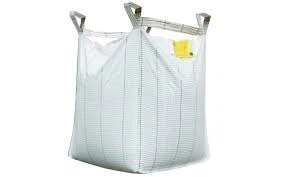
In the packaging industry, paper - plastic composite flat valve bags are widely used due to their excellent performance in protecting products, convenience in filling, and environmental - friendliness. As a supplier of paper - plastic composite flat valve bags, I understand the importance of continuously improving the quality of these bags to meet the diverse needs of customers and stay competitive in the market. In this blog, I will share some effective ways to enhance the quality of paper - plastic composite flat valve bags.
1. Material Selection
The quality of paper - plastic composite flat valve bags largely depends on the materials used. For the paper layer, high - strength kraft paper is often a preferred choice. Kraft paper has good tear resistance, tensile strength, and printability. It can withstand the stress during the filling and transportation process. When selecting kraft paper, pay attention to its basis weight, which is usually measured in grams per square meter (g/m²). A higher basis weight generally indicates greater strength, but it also increases the cost. Therefore, a balance needs to be struck based on the specific requirements of the product to be packaged.
The plastic layer is also crucial. Polyethylene (PE) is commonly used for its excellent moisture - proof and chemical - resistant properties. Different types of PE, such as low - density polyethylene (LDPE) and high - density polyethylene (HDPE), have different characteristics. LDPE offers good flexibility and sealability, while HDPE provides higher strength and stiffness. Depending on the application, a combination of these two types of PE can be used to achieve the best performance.


In addition to the paper and plastic layers, the adhesive used for lamination is also important. A high - quality adhesive should have strong bonding strength, good heat resistance, and chemical stability. It should ensure that the paper and plastic layers are firmly bonded together throughout the life cycle of the bag, preventing delamination.
2. Manufacturing Process Control
The manufacturing process of paper - plastic composite flat valve bags involves several steps, including lamination, cutting, and valve installation. Each step requires strict process control to ensure the quality of the final product.
During the lamination process, the temperature, pressure, and speed need to be precisely controlled. If the temperature is too high, the plastic layer may melt or deform, affecting the appearance and performance of the bag. On the other hand, if the temperature is too low, the adhesive may not bond the paper and plastic layers effectively. Similarly, improper pressure can lead to uneven lamination or air bubbles between the layers. Regular calibration of the lamination equipment is necessary to maintain consistent quality.
Cutting is another critical step. The cutting accuracy directly affects the size and shape of the bag. Any deviation in the cutting dimensions can cause problems during filling or stacking. High - precision cutting equipment should be used, and the cutting blades need to be sharp and regularly replaced to ensure clean and accurate cuts.
The installation of the valve is also a key factor in the quality of the bag. The valve should be properly positioned and firmly attached to the bag. A well - installed valve ensures smooth filling and prevents leakage during transportation and storage. Special attention should be paid to the sealing of the valve area to prevent the ingress of moisture or dust.
3. Quality Testing
Quality testing is an essential part of improving the quality of paper - plastic composite flat valve bags. Various tests should be conducted at different stages of the manufacturing process to detect any potential quality issues early.
Physical property testing includes measuring the tensile strength, tear strength, and bursting strength of the bag. These tests can be carried out using specialized testing equipment according to international standards such as ISO or ASTM. For example, the tensile strength test measures the maximum force that the bag can withstand before breaking. A higher tensile strength indicates better durability.
Moisture - proof testing is also important, especially for products that are sensitive to moisture. The bag should be tested for its water vapor transmission rate (WVTR). A lower WVTR means better moisture - proof performance. This can be achieved by using high - quality plastic films and proper sealing techniques.
In addition to physical and moisture - proof testing, the appearance of the bag should also be inspected. Any visible defects, such as scratches, wrinkles, or uneven printing, should be identified and corrected. Print quality is particularly important for bags that require product information or branding. The printing should be clear, sharp, and resistant to fading.
4. Design Optimization
The design of the paper - plastic composite flat valve bag can also have a significant impact on its quality. The bag's size and shape should be designed according to the characteristics of the product to be packaged. For example, for heavy - duty products, a larger and stronger bag may be required. The valve design should be optimized to ensure efficient filling and prevent spillage.
The bag can also be designed with additional features to enhance its functionality. For example, some bags are designed with a resealable valve, which is convenient for customers who need to use the product in multiple batches. Others may have an anti - static treatment to prevent the accumulation of static electricity, which can be a problem when packaging powders or granular materials.
When considering design, it is also important to take into account the environmental impact. Using recyclable or biodegradable materials and reducing the overall material consumption can make the bag more environmentally friendly, which is becoming an increasingly important factor for many customers.
5. Quality Management System
Establishing a comprehensive quality management system is crucial for continuously improving the quality of paper - plastic composite flat valve bags. A quality management system should cover all aspects of the business, from raw material procurement to product delivery.
It should include procedures for incoming material inspection, in - process quality control, and final product inspection. Regular audits and reviews should be conducted to ensure that the quality management system is effective and up - to - date. Employee training is also an important part of the quality management system. All employees involved in the manufacturing process should be well - trained in quality control techniques and procedures.
By implementing a strict quality management system, any quality issues can be quickly identified and resolved, and the overall quality of the product can be continuously improved.
Conclusion
Improving the quality of paper - plastic composite flat valve bags requires a comprehensive approach that includes material selection, manufacturing process control, quality testing, design optimization, and quality management system implementation. As a supplier, we are committed to providing high - quality bags that meet the diverse needs of our customers.
If you are interested in our Paper - plastic Composite Flat Valve Bags, or other related products such as Paper - plastic Composite M - fold Open Bag, Paper - plastic Composite M - fold Valve Bag, and Paper - plastic Composite Printed Bag, please feel free to contact us for further information and procurement discussions. We look forward to working with you to provide the best packaging solutions for your products.
References
- ASTM International. (Year). Standard test methods for various properties of packaging materials.
- ISO. (Year). International standards for packaging quality control.
- Packaging Machinery Manufacturers Institute. (Year). Guidelines for the manufacturing of packaging bags.