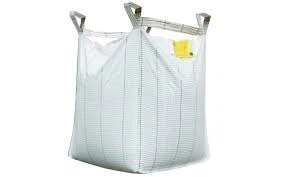
As a supplier of Multi-layer Kraft Paper Flat Valve Bags, I've witnessed firsthand the challenges that come with stacking these bags. One of the most critical issues is the anti-slip performance during stacking. Ensuring that the bags stay in place when stacked not only enhances safety but also maximizes storage efficiency. In this blog, I'll share some effective strategies to improve the anti-slip performance of multi-layer kraft paper flat valve bags during stacking.
Understanding the Problem
Before delving into solutions, it's essential to understand why multi-layer kraft paper flat valve bags may slip during stacking. The smooth surface of kraft paper, combined with factors such as the weight of the bags, the stacking height, and environmental conditions, can contribute to slippage. Additionally, the contents of the bags and the way they are filled can also affect the stability of the stack.
Surface Treatment
One of the most straightforward ways to improve the anti-slip performance of multi-layer kraft paper flat valve bags is through surface treatment. By adding a textured or rough surface to the bags, you can increase the friction between them, reducing the likelihood of slippage. There are several methods for surface treatment, including:
- Embossing: Embossing creates a raised pattern on the surface of the kraft paper, increasing the surface area and friction. This can be done during the manufacturing process using specialized embossing rollers. The pattern can be customized to suit the specific needs of the application, such as a diamond pattern or a grid pattern.
- Coating: Applying a coating to the surface of the kraft paper can also improve its anti-slip properties. There are various types of coatings available, including slip-resistant coatings and tacky coatings. Slip-resistant coatings contain particles or additives that increase friction, while tacky coatings create a sticky surface that helps the bags adhere to each other.
Bag Design
The design of the multi-layer kraft paper flat valve bag can also play a significant role in its anti-slip performance. Here are some design considerations to keep in mind:
- Bag Shape: The shape of the bag can affect its stability when stacked. For example, bags with a square or rectangular base tend to be more stable than bags with a round or oval base. Additionally, the presence of a flat bottom and straight sides can help the bags stack more evenly and securely.
- Valve Design: The valve design can also impact the anti-slip performance of the bag. A well-designed valve should fit snugly against the bag and prevent any leakage or shifting of the contents. This can help maintain the integrity of the stack and reduce the risk of slippage.
Stacking Techniques
Proper stacking techniques are essential for ensuring the stability of multi-layer kraft paper flat valve bags. Here are some tips to follow:
- Align the Bags: When stacking the bags, make sure they are properly aligned. This means that the edges of the bags should be straight and parallel, and the bags should be stacked in a uniform pattern. Misaligned bags can create an uneven load distribution, increasing the risk of slippage.
- Use a Base Layer: Placing a base layer of bags on a flat and stable surface can help distribute the weight evenly and provide a solid foundation for the stack. This can be especially important when stacking heavy or large bags.
- Limit the Stack Height: It's important to limit the stack height to prevent overloading and instability. The maximum stack height will depend on factors such as the size and weight of the bags, the surface area of the base layer, and the environmental conditions. As a general rule, it's recommended to keep the stack height below 10 feet.
Environmental Factors
Environmental factors can also affect the anti-slip performance of multi-layer kraft paper flat valve bags. Here are some factors to consider:
- Humidity: High humidity can cause the kraft paper to become damp and slippery, reducing its friction and increasing the risk of slippage. To prevent this, it's important to store the bags in a dry environment and avoid exposing them to moisture.
- Temperature: Extreme temperatures can also affect the properties of the kraft paper and the contents of the bags. For example, high temperatures can cause the bags to expand and become more flexible, while low temperatures can make the bags brittle and more prone to cracking. It's important to store the bags at a moderate temperature to maintain their integrity and anti-slip performance.
Quality Control
Finally, implementing a rigorous quality control program is essential for ensuring the anti-slip performance of multi-layer kraft paper flat valve bags. This includes testing the bags for friction, strength, and durability before they are shipped to the customer. Additionally, it's important to monitor the production process to ensure that the bags are manufactured to the highest standards.


Conclusion
Improving the anti-slip performance of multi-layer kraft paper flat valve bags during stacking is crucial for ensuring safety and efficiency in the storage and transportation of goods. By implementing the strategies outlined in this blog, such as surface treatment, bag design, proper stacking techniques, and environmental control, you can significantly reduce the risk of slippage and improve the overall performance of your bags.
If you're interested in learning more about our Multi-layer Kraft Paper Flat Valve Bag or Multi-layer Kraft Paper M-fold Valve Bag, or if you have any questions about improving the anti-slip performance of your bags, please don't hesitate to contact us. We're a leading Multi-layer Kraft Paper Flat Valve Bag supplier, and we're committed to providing our customers with high-quality products and excellent service.
References
- Smith, J. (2020). Packaging Materials and Technology. New York: Wiley.
- Jones, R. (2019). The Science of Friction and Slip Resistance. London: Elsevier.
- Brown, A. (2018). Stacking and Storage of Packaging Materials. Sydney: McGraw-Hill.