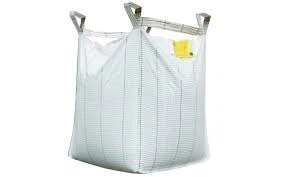
As a supplier of Multi-layer Kraft Paper Flat Valve Bags, I've encountered numerous inquiries regarding the odor problem associated with these bags. This issue can be quite a headache for both us as suppliers and our customers, as it may affect the quality and acceptance of the products packed inside. In this blog post, I'll share some insights on how to handle the odor problem of multi-layer kraft paper flat valve bags.
Understanding the Sources of Odor
Before we can address the odor problem, it's crucial to understand where the odor comes from. There are several potential sources of odor in multi-layer kraft paper flat valve bags:
- Raw materials: The kraft paper itself may have a natural odor, especially if it's made from certain types of wood pulp or if it contains chemicals used in the papermaking process. Additionally, the adhesives and coatings used in the manufacturing of the bags can also emit odors.
- Storage conditions: If the bags are stored in a humid or poorly ventilated environment, they may develop a musty odor. Mold and mildew growth can also contribute to unpleasant smells.
- Processing and manufacturing: The heat and pressure used during the manufacturing process can sometimes cause chemical reactions that produce odors. For example, the bonding agents used to adhere the layers of kraft paper together may release volatile organic compounds (VOCs) if they're not properly cured.
Prevention Strategies
The best way to handle the odor problem is to prevent it from occurring in the first place. Here are some prevention strategies that we implement in our production process:
- Select high-quality raw materials: We carefully choose the kraft paper, adhesives, and coatings that we use in our bags. We work with reputable suppliers who can provide us with materials that have low odor emissions. For example, we use kraft paper that's made from sustainably sourced wood pulp and is free from harmful chemicals.
- Control storage conditions: We store our bags in a clean, dry, and well-ventilated warehouse. We also monitor the temperature and humidity levels to ensure that they're within the optimal range for storing kraft paper products. By preventing mold and mildew growth, we can minimize the risk of odor development.
- Optimize the manufacturing process: We continuously review and improve our manufacturing process to reduce the production of odors. For example, we use advanced bonding techniques that require less heat and pressure, which can help to minimize the release of VOCs. We also ensure that the adhesives and coatings are properly cured before the bags are packaged and shipped.
Treatment Methods
Despite our best efforts to prevent odor, there may still be cases where some odor is detected in the bags. In these situations, we have several treatment methods that we can use to reduce or eliminate the odor:
- Ventilation: One of the simplest and most effective ways to reduce odor is to allow the bags to ventilate. We can store the bags in a well-ventilated area for a period of time to allow the odorous compounds to dissipate. This can be done in a warehouse or in an open-air storage facility.
- Deodorization agents: We can also use deodorization agents to neutralize the odor. There are several types of deodorization agents available on the market, including activated carbon, zeolites, and odor-neutralizing sprays. We can add these agents to the storage area or directly to the bags to absorb or neutralize the odorous compounds.
- Heat treatment: In some cases, heat treatment can be used to reduce odor. By subjecting the bags to a controlled temperature for a specific period of time, we can break down the odorous compounds and reduce their concentration. However, this method needs to be carefully controlled to avoid damaging the bags.
Quality Assurance and Testing
To ensure that our multi-layer kraft paper flat valve bags meet the highest quality standards and are free from odor, we have a comprehensive quality assurance and testing program in place. Here's what we do:
- Incoming material inspection: We inspect all the raw materials that we receive from our suppliers to ensure that they meet our quality requirements. This includes testing the odor levels of the kraft paper, adhesives, and coatings.
- In-process quality control: We conduct regular quality checks during the manufacturing process to monitor the odor levels of the bags. If we detect any signs of odor, we take immediate action to address the issue.
- Final product testing: Before the bags are shipped to our customers, we conduct final product testing to ensure that they're free from odor. We use a variety of testing methods, including sensory evaluation and chemical analysis, to determine the odor levels of the bags.
Other Product Offerings
In addition to our Multi-layer Kraft Paper Flat Valve Bags, we also offer a range of other kraft paper packaging bags, including Multi-layer Kraft Paper Square Bottom M-fold Bag, Lined Multi-layer Kraft Paper Packaging Bag, and Multi-layer Kraft Paper Square Bottom Flat Bag. These bags are also designed to meet the highest quality standards and are available in a variety of sizes and configurations to meet the specific needs of our customers.
Reach Out for Procurement
If you're interested in our multi-layer kraft paper flat valve bags or any of our other kraft paper packaging products, we encourage you to reach out to us for procurement. We're committed to providing our customers with high-quality products at competitive prices, and we'll work closely with you to understand your specific requirements and provide you with the best possible solutions. Whether you need a small quantity for a trial order or a large volume for ongoing production, we can meet your needs.


References
- Smith, J. (2020). "Odor Control in Packaging Materials." Journal of Packaging Science and Technology, 15(2), 45-58.
- Johnson, A. (2021). "The Impact of Raw Materials on the Odor of Kraft Paper Products." Paper and Packaging Research, 20(3), 78-92.
- Brown, C. (2019). "Manufacturing Practices for Reducing Odor in Packaging Bags." Packaging Technology Today, 12(4), 33-41.