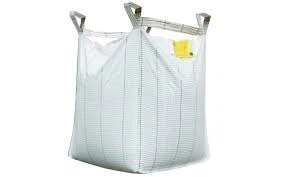
Folding food grade bulk bags correctly for storage is a crucial skill that can save space, maintain the integrity of the bags, and ensure their readiness for future use. As a food grade bulk bag supplier, I've seen firsthand the impact of proper folding techniques. In this blog post, I'll share some effective methods to help you fold your food grade bulk bags efficiently.
Why Fold Food Grade Bulk Bags Properly?
Before diving into the folding techniques, it's important to understand why proper folding matters. Food grade bulk bags are designed to be durable and safe for storing food products. By folding them correctly, you can prevent damage such as tears, creases, or contamination, which could compromise the quality of the bags and the safety of the food they will hold in the future. Additionally, proper folding allows for more efficient storage, reducing the amount of space required and making it easier to access the bags when needed.
Preparation for Folding
Before you start folding the food grade bulk bags, there are a few steps you should take to ensure a smooth process. First, make sure the bags are clean and dry. Any debris or moisture could lead to mold growth or damage the bags over time. If the bags have been used, thoroughly clean them according to the manufacturer's instructions.
Next, gather the necessary tools. You'll need a clean, flat surface to work on, such as a large table or the floor of a clean storage area. It can also be helpful to have a measuring tape or ruler to ensure consistent folds.


Step-by-Step Folding Guide
Step 1: Empty and Inspect the Bag
Empty the bag completely of any contents. Inspect the bag for any signs of damage, such as holes, tears, or loose seams. If you find any damage, it's important to address it before folding the bag. Minor repairs can be made using appropriate repair materials, but if the damage is severe, the bag may need to be replaced.
Step 2: Flatten the Bag
Lay the bag flat on your clean surface. Smooth out any wrinkles or folds to ensure an even starting point. If the bag has a top closure, such as a drawstring or zipper, make sure it is fully open.
Step 3: Fold the Sides
Start by folding one side of the bag towards the center. The fold should be straight and even, and you can use a measuring tape to ensure it is the correct width. Aim for a fold that is approximately one-third of the bag's width. Repeat this process on the other side, folding it towards the center to meet the first fold.
Step 4: Fold the Bottom and Top
Next, fold the bottom of the bag up towards the center. Again, use a measuring tape to ensure a straight and even fold. A good rule of thumb is to fold the bottom up about one-third of the bag's height. Then, fold the top of the bag down towards the center to meet the bottom fold.
Step 5: Create Final Folds
Depending on the size of the bag and your storage space, you may need to make additional folds. For example, you can fold the bag in half or in thirds lengthwise. Make sure each fold is tight and secure to prevent the bag from unfolding during storage.
Special Considerations for Different Types of Food Grade Bulk Bags
In addition to standard food grade bulk bags, we also offer specialized options such as Conductive Bulk Bag and Anti-static Bulk Bag. These bags have unique properties that require special attention when folding.
For conductive bulk bags, it's important to avoid creating sharp creases that could damage the conductive elements. When folding, try to make gentle, rounded folds to preserve the conductivity of the bag. You can also refer to the product documentation or contact our customer support team for more detailed folding instructions specific to Conductive Bulk Bag Factory products.
Anti-static bulk bags should be folded in a way that minimizes the generation of static electricity. This can be achieved by handling the bags gently and avoiding rapid movements. If possible, fold the bags in a low-humidity environment to further reduce static buildup.
Storage Tips
Once you've folded your food grade bulk bags, it's time to store them properly. Here are some tips to keep in mind:
- Use Shelving or Racks: Storing the folded bags on shelves or racks can help keep them organized and prevent them from getting crushed or damaged. Make sure the shelves are clean and dry, and label them to easily identify the different types and sizes of bags.
- Avoid Stacking Too High: While it may be tempting to stack the bags as high as possible to save space, this can put too much pressure on the bottom bags and cause them to become misshapen or damaged. Limit the height of the stacks to ensure the integrity of the bags.
- Protect from Environmental Factors: Keep the bags away from direct sunlight, moisture, and extreme temperatures. These factors can degrade the quality of the bags over time. If possible, store the bags in a climate-controlled storage area.
Conclusion
Properly folding and storing your food grade bulk bags is essential for maintaining their quality and ensuring their long-term usability. By following the steps outlined in this blog post and taking special considerations for different types of bags, you can save space, prevent damage, and keep your bags ready for future use.
If you're interested in purchasing high-quality food grade bulk bags or any of our specialized options, such as Conductive Bulk Bag or Anti-static Bulk Bag, I encourage you to reach out and discuss your specific needs. We're here to provide you with the best products and solutions for your bulk packaging requirements.
References
- General knowledge and experience from working as a food grade bulk bag supplier.
- Manufacturer's guidelines for food grade bulk bag handling and storage.