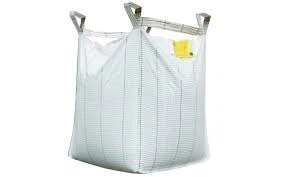
As a supplier of Paper - plastic Composite M - fold Valve Bags, ensuring a smooth surface on these bags is of utmost importance. A smooth surface not only enhances the bag's aesthetic appeal but also has practical implications for its functionality and performance. In this blog, I will share some key strategies and considerations to guarantee a smooth surface for Paper - plastic Composite M - fold Valve Bags.
Material Selection
The first step in ensuring a smooth surface starts with the raw materials. Paper and plastic are the two main components of these bags, and the quality of these materials significantly affects the surface finish.
- Paper Quality: High - quality kraft paper should be chosen. It should have a uniform fiber distribution, which means the fibers are evenly spread across the paper. This uniformity helps in achieving a consistent surface without any visible bumps or unevenness. Low - quality paper may have impurities or inconsistent thickness, leading to an uneven bag surface. For example, if the paper has large fibers or clumps, these will be visible on the bag's surface after the manufacturing process.
- Plastic Film: The plastic film used in the composite should be of high clarity and flexibility. A clear plastic film allows the underlying paper texture to show through, creating a more aesthetically pleasing appearance. It should also be free from defects such as bubbles, scratches, or uneven coating. The thickness of the plastic film matters as well. A too - thick film may add unnecessary stiffness, while a too - thin film may not provide enough durability or a smooth enough surface. Additionally, the plastic film should have good adhesion to the paper. Poor adhesion can cause delamination, resulting in a rough and uneven surface over time.
Manufacturing Process Control
The manufacturing process is crucial in creating a smooth - surfaced Paper - plastic Composite M - fold Valve Bag.
- Lamination: Lamination is the process of bonding the paper and the plastic film together. It must be carried out under precise conditions. The temperature and pressure during lamination need to be carefully controlled. If the temperature is too high, it can cause the plastic film to melt or distort, leading to a rough surface. On the other hand, if the temperature is too low, the adhesion between the paper and the plastic may not be strong enough. Similarly, inconsistent pressure during lamination can result in uneven bonding, causing parts of the bag to have a bumpy surface.
- M - folding: The M - folding process also requires strict control. The folds should be made accurately and evenly. Any misalignment during the folding process can create ridges or uneven areas on the bag's surface. The folding equipment should be well - maintained and calibrated regularly to ensure precise folds. For instance, if the folding blades are dull or misaligned, they can cut or crease the bag unevenly, causing surface irregularities.
- Valve Attachment: When attaching the valve to the bag, it should be done seamlessly. The valve should fit snugly into the bag opening without any gaps or protrusions. Any loose or unevenly attached valve can disrupt the smooth surface of the bag. Special attention should be paid to the sealing around the valve area to prevent any leakage or rough edges.
Quality Inspection
Regular quality inspections throughout the production process are essential to catch any surface imperfections early.
- In - process Inspection: At each stage of production, from material receipt to the final bag assembly, inspections should be carried out. For example, in the lamination stage, operators can visually inspect the bonded paper - plastic composite for any signs of delamination, air bubbles, or uneven bonding. In the M - folding stage, the folds can be checked for accuracy and smoothness. By detecting problems early, they can be corrected immediately, preventing the production of large batches of defective bags.
- Final Inspection: Once the bags are fully assembled, a comprehensive final inspection should be done. This includes a visual inspection of the entire bag surface under proper lighting conditions. Any visible scratches, stains, unevenness, or other defects should be identified and rejected. Physical tests can also be performed, such as running a smooth object over the bag surface to detect any small bumps or irregularities that may not be visible to the naked eye.
Storage and Transportation
Proper storage and transportation of the Paper - plastic Composite M - fold Valve Bags can also help maintain a smooth surface.


- Storage: The bags should be stored in a clean, dry, and temperature - controlled environment. Moisture can cause the paper to warp or the plastic film to adhere to itself, leading to surface damage. High humidity can also promote the growth of mold or mildew, which will ruin the bag's appearance and surface smoothness. The bags should be stored on flat surfaces to prevent any deformation. Stacking the bags too high can cause pressure marks on the lower bags, resulting in a rough surface.
- Transportation: During transportation, the bags should be protected from abrasion, impact, and extreme temperatures. They can be packed in sturdy containers or pallets to prevent them from rubbing against each other or other objects. If the bags are exposed to extreme temperatures during transit, such as prolonged high heat, it can affect the integrity of the plastic film and the adhesion between the paper and the plastic, leading to a rough surface.
Equipment Maintenance
Well - maintained equipment is necessary for producing smooth - surfaced bags.
- Cutting and Folding Machines: Cutting blades on the machines need to be sharp and properly aligned. Dull blades can tear the paper or plastic film during cutting, leaving rough edges. Misaligned blades can result in uneven cuts and folds, creating an irregular surface on the bag. Regular blade replacement and alignment checks are essential.
- Printing Equipment (if applicable): If the bags are printed with labels or branding, the printing equipment must be in good condition. A poor - quality print can also affect the surface smoothness. For example, if the ink is not evenly applied or the printing plates are worn out, the print may appear blotchy or raised, spoiling the bag's smooth surface.
As a supplier of Paper - plastic Composite M - fold Valve Bags, we are committed to providing high - quality products with smooth surfaces. Our strict quality control measures from material selection to the final product ensure that each bag meets the highest standards. Whether you are in the food, chemical, or construction industry, our Paper - plastic Composite M - fold Valve Bags offer not only a smooth surface but also excellent durability and functionality.
If you are interested in our Paper - plastic Composite M - fold Valve Bags, Paper - plastic Composite M - fold Valve Bag, or other related products such as Paper - plastic Composite Tear - open Bag and Paper - plastic Composite Flat Valve Bag, we encourage you to contact us for a procurement discussion. We look forward to providing you with the best packaging solutions for your business needs.
References
- Packaging Machinery Manufacturers Institute. (202X). Best Practices in Packaging Production.
- Wilson, T. (202X). Handbook of Paper and Plastic Composite Packaging.