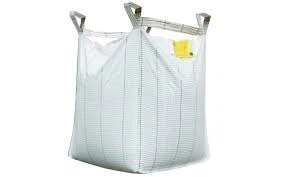
Hey there! As a supplier of bulk bags for process handling, I've seen firsthand the importance of ensuring a smooth flow of materials from these bags. It's not just about getting the job done; it's about doing it efficiently, safely, and cost - effectively. In this blog, I'll share some tips and tricks on how to make sure that the materials in your bulk bags flow smoothly during the process handling.
Understanding the Basics of Bulk Bags
First things first, let's talk a bit about the different types of bulk bags we offer. We've got the Bottom Lift Bulk Bag and the Top Lift Bulk Bag. The bottom - lift ones are great when you need to access the contents from the bottom, which can be super useful for certain types of materials and handling processes. On the other hand, top - lift bulk bags are more suitable for situations where you're going to load and unload from the top.
Factors Affecting Material Flow
There are several factors that can affect how smoothly materials flow from bulk bags. One of the biggest ones is the type of material itself. Some materials, like fine powders, tend to clump together, which can block the flow. Others, like granular substances, usually flow more easily.
Moisture is another major factor. If the material in the bulk bag gets wet, it can form lumps and make the flow difficult. That's why it's crucial to store bulk bags in a dry environment. Temperature can also play a role. Some materials may become more viscous or sticky at high temperatures, while others might become brittle and break into smaller pieces at low temperatures.
Choosing the Right Bulk Bag Design
The design of the bulk bag is key to ensuring a smooth material flow. For materials that are prone to bridging (where the material forms an arch and blocks the opening), a bag with a conical bottom can be a great solution. The conical shape helps to direct the material towards the outlet, reducing the chances of bridging.
If you're dealing with fine powders, a bulk bag with an anti - static liner can be beneficial. Static electricity can cause the powder particles to stick together, and the anti - static liner helps to dissipate the static charge, allowing the powder to flow more freely.
Proper Loading and Unloading Techniques
How you load and unload the bulk bag can also have a significant impact on material flow. When loading, make sure the material is evenly distributed in the bag. Uneven loading can lead to an uneven flow during unloading.


During unloading, it's important to use the right equipment. For example, a hoist or a forklift should be used to lift the bag properly. If the bag is not lifted correctly, it can cause the material to shift and block the outlet.
Maintenance and Inspection
Regular maintenance and inspection of the bulk bags are essential. Check for any signs of damage, such as tears or holes, before using the bag. A damaged bag can lead to material leakage and uneven flow.
Also, make sure to clean the bags after each use, especially if you're using them for different types of materials. Residue from previous loads can contaminate the new material and affect its flow.
Using Flow Aids
Sometimes, despite all the precautions, you may still encounter problems with material flow. That's where flow aids come in. There are several types of flow aids available, such as vibrators and air pads.
Vibrators can be attached to the bulk bag or the unloading equipment. They create vibrations that help to break up any clumps and encourage the material to flow. Air pads, on the other hand, are placed inside the bag. When inflated, they create a gentle agitation that helps to loosen the material and improve the flow.
Training and Education
Proper training of the staff involved in handling bulk bags is crucial. They should know how to choose the right type of bag, load and unload it correctly, and use any flow aids if necessary.
By providing regular training and education, you can ensure that everyone understands the importance of maintaining a smooth material flow and knows how to do it effectively.
Case Studies
Let me share a couple of case studies to illustrate how these principles work in real - life situations. One of our customers was having trouble with the flow of a fine powder from their bulk bags. The powder was clumping together, and they were experiencing frequent blockages.
We recommended that they switch to a bulk bag with an anti - static liner and use a vibrator during unloading. After implementing these changes, the material flow improved significantly. The anti - static liner reduced the static charge, and the vibrator helped to break up the clumps.
Another customer was using top - lift bulk bags for a granular material. They were having issues with uneven loading, which was causing problems during unloading. We advised them on proper loading techniques, including using a conveyor to evenly distribute the material in the bag. Once they started using these techniques, the material flow became much smoother.
Conclusion
Ensuring a smooth flow of materials from bulk bags for process handling is a multi - faceted task. It involves understanding the factors that affect material flow, choosing the right bulk bag design, using proper loading and unloading techniques, and performing regular maintenance and inspection.
If you're facing any issues with material flow from bulk bags or if you're looking for advice on choosing the right bulk bag for your specific needs, don't hesitate to reach out. We're here to help you find the best solutions for your process handling requirements. Whether you need a Bottom Lift Bulk Bag or a Top Lift Bulk Bag, we've got you covered. Contact us today to discuss your procurement needs and let's work together to make your process handling more efficient!
References
- "Bulk Solids Handling: Principles and Applications" by David A. Geldart
- "Handbook of Powder Science and Technology" edited by Myron F. Fine