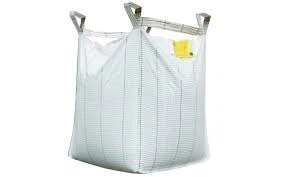
When it comes to the efficient and safe handling of bulk materials, Bottom Lift Bulk Bags have emerged as a reliable solution. As a supplier of Bottom Lift Bulk Bags, I understand the paramount importance of ensuring the safety of operators during their use. In this blog, I will share some essential tips and guidelines on how to guarantee operator safety when working with these bags.
Understanding Bottom Lift Bulk Bags
Before delving into safety measures, it's crucial to have a clear understanding of Bottom Lift Bulk Bags. A Bottom Lift Bulk Bag is designed to be lifted from the bottom, which offers several advantages over traditional Top Lift Bulk Bags. These bags are typically used for transporting and storing large quantities of dry, free - flowing materials such as grains, powders, and chemicals. They are constructed with strong and durable materials to withstand the weight of the contents and the rigors of handling.


Pre - use Inspection
The first step in ensuring operator safety is a thorough pre - use inspection of the Bottom Lift Bulk Bag. Operators should visually examine the bag for any signs of damage, such as tears, holes, or frayed seams. Any damaged bags should be immediately removed from service and replaced. Additionally, check the lifting loops or straps for wear and tear. Make sure they are securely attached to the bag and can support the weight of the contents.
It's also important to verify that the bag is the correct size and capacity for the intended load. Overloading a bag can lead to structural failure and pose a significant safety risk. Refer to the manufacturer's specifications to determine the maximum allowable weight for the bag.
Proper Handling Equipment
Using the right handling equipment is essential for safe operation. Forklifts or other lifting devices should be in good working condition and properly maintained. The forks or lifting attachments should be the appropriate size and shape to fit the lifting loops or straps of the Bottom Lift Bulk Bag.
When using a forklift, ensure that the operator is trained and certified to handle the equipment. They should be familiar with the specific procedures for lifting and transporting Bottom Lift Bulk Bags. The forklift should be operated at a safe speed, especially when turning or maneuvering in tight spaces.
Loading and Unloading Procedures
During the loading process, operators should take care to distribute the weight evenly within the bag. This helps to prevent the bag from tipping or becoming unstable. Use a filling spout or other appropriate equipment to ensure a controlled and even filling. Avoid overfilling the bag, as this can increase the risk of spillage and damage.
When unloading the bag, follow the manufacturer's instructions. Some Bottom Lift Bulk Bags are designed with a discharge spout at the bottom, which allows for easy and controlled emptying. Make sure the discharge area is clear of any obstacles and that the bag is properly supported during the unloading process.
Storage and Stacking
Proper storage and stacking of Bottom Lift Bulk Bags are also crucial for safety. Bags should be stored in a dry, clean, and well - ventilated area. Avoid storing bags in direct sunlight or near sources of heat, as this can degrade the material over time.
When stacking bags, ensure that the stack is stable and does not exceed the recommended height. The bottom bags should be able to support the weight of the bags above them. Use pallets or other support structures to prevent the bags from collapsing.
Training and Education
One of the most effective ways to ensure operator safety is through comprehensive training and education. All operators who will be working with Bottom Lift Bulk Bags should receive proper training on their use, handling, and maintenance. The training should cover topics such as pre - use inspection, loading and unloading procedures, and emergency response.
Regular refresher courses should be provided to keep operators up - to - date on the latest safety practices. Encourage operators to ask questions and report any safety concerns or incidents.
Personal Protective Equipment (PPE)
Operators should always wear appropriate personal protective equipment (PPE) when working with Bottom Lift Bulk Bags. This may include safety glasses, gloves, and a hard hat. Depending on the nature of the materials being handled, additional PPE such as respirators or protective clothing may be required.
PPE helps to protect operators from potential hazards such as dust, chemicals, and physical injuries. Make sure that the PPE is in good condition and fits properly.
Emergency Preparedness
Despite all the precautions, emergencies can still occur. It's important to have an emergency plan in place for situations such as bag rupture, spillage, or equipment failure. The emergency plan should include procedures for evacuating the area, containing spills, and providing first aid.
All operators should be familiar with the emergency plan and know what to do in case of an emergency. Regular emergency drills should be conducted to ensure that everyone is prepared.
Conclusion
Ensuring the safety of operators when using Bottom Lift Bulk Bags is a multi - faceted process that requires careful planning, proper training, and the use of appropriate equipment and procedures. By following the guidelines outlined in this blog, you can minimize the risk of accidents and injuries in the workplace.
If you are interested in purchasing high - quality Bottom Lift Bulk Bags or have any questions about their use and safety, I encourage you to reach out to me. I am committed to providing you with the best products and support to meet your bulk material handling needs. Let's work together to create a safer and more efficient working environment.
References
- Bulk Bag Association Guidelines on Safe Handling of Bulk Bags
- Occupational Safety and Health Administration (OSHA) Standards for Material Handling
- Manufacturer's Specifications for Bottom Lift Bulk Bags