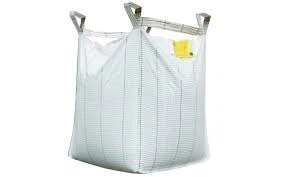
As a supplier of Paper - plastic Composite M - fold Open Bags, ensuring the consistency of product quality is not only a commitment to our customers but also the key to our long - term success in the market. In this blog, I will share some insights and practices on how to guarantee the consistent quality of these bags.
1. Raw Material Selection
The quality of raw materials is the foundation of producing high - quality Paper - plastic Composite M - fold Open Bags. We need to be extremely careful when choosing both the paper and plastic components.
For the paper, we should look for materials with high strength, good tear resistance, and appropriate moisture resistance. The fiber length, density, and pulp type of the paper can significantly affect its performance. We often source paper from well - established suppliers who can provide detailed quality certificates and performance data. By analyzing these data, we can select the paper that best suits our bag - making requirements.
When it comes to the plastic layer, we consider factors such as its chemical stability, flexibility, and barrier properties. Different types of plastics, such as polyethylene (PE) and polypropylene (PP), have different characteristics. For example, PE is known for its good flexibility and moisture barrier, while PP offers high stiffness and chemical resistance. We choose the plastic material based on the specific application of the bags. For instance, if the bags are used for storing moisture - sensitive products, we will opt for a plastic with excellent moisture - proof properties.
Moreover, we conduct regular quality checks on the incoming raw materials. This includes physical tests like tensile strength tests for the paper and plastic films, as well as chemical analyses to ensure that the materials meet our quality standards. By strictly controlling the quality of raw materials, we can lay a solid foundation for the consistent quality of the final bags.
2. Production Process Control
The production process of Paper - plastic Composite M - fold Open Bags involves multiple steps, and each step needs to be precisely controlled to ensure quality consistency.
Lamination Process
The lamination of the paper and plastic layers is a critical step. We use advanced lamination equipment that can accurately control the temperature, pressure, and speed during the lamination process. The temperature affects the bonding strength between the paper and plastic. If the temperature is too low, the bonding may be weak, leading to delamination problems in the final product. On the other hand, if the temperature is too high, it may damage the paper or plastic materials.
We also pay close attention to the adhesive used in the lamination. The adhesive should have good bonding performance and chemical compatibility with both the paper and plastic. We test different adhesives to find the one that provides the best bonding strength and long - term stability. Regular quality inspections are carried out during the lamination process to check the bonding quality, such as peel strength tests.
Printing Process
Printing on the bags is another important aspect. We use high - resolution printing equipment to ensure clear and accurate printing. The ink used should be of high quality, with good adhesion and color fastness. We establish a color management system to ensure that the printed colors are consistent from batch to batch. This involves using color - matching software and color - control charts.
Before starting large - scale printing, we conduct sample printing tests. These tests allow us to adjust the printing parameters, such as ink density and printing speed, to achieve the desired printing quality. We also monitor the printing process in real - time to detect and correct any printing defects promptly.
Cutting and Folding Process
The cutting and folding of the laminated materials determine the final shape and size of the bags. We use precision cutting and folding machines that can accurately cut and fold the materials according to the specified dimensions. The cutting blades need to be sharp and properly maintained to ensure clean cuts. Any deviation in the cutting or folding dimensions can affect the functionality and appearance of the bags.
We set up quality control points at the cutting and folding stations. Operators are trained to check the dimensions of the cut and folded bags regularly. If any non - conformities are found, the machines are immediately adjusted to correct the problem.
3. Quality Inspection at Different Stages
To ensure the consistent quality of Paper - plastic Composite M - fold Open Bags, we implement a comprehensive quality inspection system at different stages of the production process.
In - process Inspection
During the production process, we conduct in - process inspections at regular intervals. This includes checking the quality of the semi - finished products at each production step. For example, after the lamination process, we inspect the bonding quality of the paper - plastic composite. We use peel strength testers to measure the force required to separate the paper and plastic layers. If the peel strength is below the standard, we take immediate measures to adjust the lamination parameters.
In the printing process, we check the print quality, including the clarity of the text and images, color accuracy, and ink adhesion. We also inspect the cut and folded semi - finished bags for any physical defects, such as wrinkles, tears, or uneven folds.
Final Product Inspection
Before the bags are shipped to customers, a final product inspection is carried out. This is a comprehensive inspection that covers all aspects of the bags. We check the appearance of the bags for any visible defects, such as scratches, stains, or improper sealing. We also conduct functional tests, such as filling tests to ensure that the bags can be easily filled with the intended products and that there are no leakage problems.


We use sampling inspection methods based on international standards. For example, we may use the ISO 2859 - 1 standard for sampling inspection. By randomly selecting a certain number of bags from each batch for inspection, we can get an accurate assessment of the overall quality of the batch. If the inspection results do not meet the quality standards, the entire batch will be re - inspected, and necessary corrective actions will be taken, such as re - working the defective bags or even scrapping them if they cannot be repaired.
4. Staff Training and Quality Awareness
Our staff plays a crucial role in ensuring the quality consistency of the bags. We provide regular training to our employees to enhance their skills and knowledge in bag - making technology and quality control.
Technical Training
We offer technical training programs for the production operators. These programs cover topics such as the operation and maintenance of the production equipment, the understanding of the production process parameters, and the troubleshooting methods. By improving the technical skills of the operators, they can better control the production process and ensure that the bags are produced with high quality.
For example, we train the lamination operators on how to adjust the temperature, pressure, and speed of the lamination machine to achieve the optimal bonding quality. We also train the printing operators on how to set up the printing parameters for different types of inks and materials.
Quality Awareness Training
In addition to technical training, we also conduct quality awareness training for all employees. We emphasize the importance of quality in our company's development and the impact of product quality on customer satisfaction. We encourage employees to take responsibility for the quality of their work and to report any quality - related problems immediately.
We establish a quality - incentive system to reward employees who contribute to quality improvement. This can motivate the employees to actively participate in quality control activities and continuously improve the quality of the products.
5. Equipment Maintenance and Upgrading
The performance of the production equipment directly affects the quality of the Paper - plastic Composite M - fold Open Bags. We implement a regular equipment maintenance plan to ensure that the equipment is always in good working condition.
We have a team of professional maintenance technicians who are responsible for the daily maintenance and repair of the equipment. They conduct routine inspections of the machines, including checking the mechanical parts for wear and tear, lubricating the moving parts, and calibrating the sensors and control systems. By detecting and solving potential problems in advance, we can prevent equipment failures that may lead to quality issues in the production process.
In addition to maintenance, we also pay attention to equipment upgrading. As technology advances, new and more advanced equipment becomes available. We evaluate the need for equipment upgrading based on factors such as production efficiency, product quality improvement, and cost - effectiveness. Upgrading the equipment can help us improve the production process, reduce the occurrence of quality problems, and enhance the overall competitiveness of our products.
6. Continuous Improvement
Ensuring the consistency of Paper - plastic Composite M - fold Open Bags quality is a continuous process. We collect and analyze quality data from various sources, including production records, inspection reports, and customer feedback.
By analyzing the quality data, we can identify the root causes of quality problems. For example, if we find that there is a high rate of delamination problems in a certain batch of bags, we will analyze the production process data to determine whether it is due to a problem in the lamination process, such as incorrect temperature or pressure settings. Once the root cause is identified, we develop corrective and preventive actions.
We also encourage innovation in our production process and product design. We may explore new raw materials, new production techniques, or new bag designs to improve the quality and performance of the bags. For example, we may research and develop a new type of plastic layer with better barrier properties or a more efficient cutting and folding process that can reduce the occurrence of physical defects.
In conclusion, ensuring the consistency of Paper - plastic Composite M - fold Open Bags quality requires a comprehensive approach that covers raw material selection, production process control, quality inspection, staff training, equipment maintenance, and continuous improvement. As a supplier, we are committed to providing our customers with high - quality and consistent products.
If you are interested in our Paper - plastic Composite M - fold Open Bags, or other related products such as Paper - plastic Composite Flat Valve Bag, Paper - plastic Composite Square Bottom Flat Bag, and Lined Paper - plastic Composite Packaging Bag, please feel free to contact us for procurement discussions. We look forward to establishing long - term cooperative relationships with you.
References
- ASTM International. (Year). Standard test methods for plastic films and sheeting. ASTM D882.
- ISO 2859 - 1. (Year). Sampling procedures for inspection by attributes - Part 1: Sampling plans indexed by acceptance quality limit (AQL) for lot - by - lot inspection.
- TAPPI (Technical Association of the Pulp and Paper Industry). (Year). TAPPI test methods for paper and paperboard.