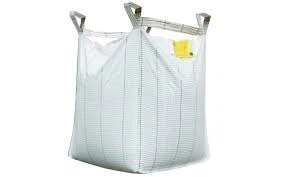
Hey there! I'm a supplier of Paper-plastic Composite Flat Valve Bag. Today, I'm gonna talk about how to design the valve size of paper-plastic composite flat valve bags.
Understanding the Basics of Paper - Plastic Composite Flat Valve Bags
First off, let's get a quick lowdown on these bags. Paper - plastic composite flat valve bags are super popular in the packaging world. They combine the strength of paper and the durability of plastic, making them great for storing and transporting all sorts of stuff, like powders, granules, and even some small solid items. The flat valve design allows for easy filling and closing, which is a huge plus for efficiency in the packaging process.
Factors Affecting Valve Size Design
Product Characteristics
The type of product you're going to put in the bag plays a big role in determining the valve size. If you're dealing with fine powders, like flour or cement, you'll need a smaller valve. A smaller valve helps prevent the powder from spilling out during filling and handling. On the other hand, if you're packaging larger granules, like animal feed or fertilizer, a bigger valve will make the filling process much smoother. The product's density also matters. Dense products might need a larger valve to ensure a proper flow rate during filling.
Filling Equipment
The filling equipment you use is another crucial factor. Different filling machines have different requirements for valve size. Some high - speed filling machines work best with a specific valve diameter to maintain a consistent filling speed. If the valve is too small, the filling process can slow down, and you might end up with inconsistent fill levels. If it's too large, there could be issues with product spillage and inaccurate filling. So, it's important to match the valve size with your filling equipment.
Handling and Storage
Consider how the bags will be handled and stored. If the bags are going to be stacked or moved around a lot, a smaller valve might be better as it reduces the risk of damage during handling. However, if the bags are going to be stored in a relatively stable environment and filled using a specific setup, a larger valve could be more appropriate.
Calculating the Valve Size
Flow Rate
To start with, you need to figure out the flow rate of your product. You can do this by conducting some tests. Take a known amount of the product and measure how long it takes to flow through a test valve. Based on this, you can calculate the flow rate in terms of volume per unit time. Once you have the flow rate, you can then determine the valve size that will allow for the desired filling speed. For example, if you want to fill a bag in a certain amount of time, you can adjust the valve size to achieve that flow rate.
Pressure and Gravity
The pressure and gravity also affect the flow of the product through the valve. If the product is being filled under pressure, you might be able to use a smaller valve. Gravity - fed filling systems, on the other hand, might require a larger valve to ensure a smooth flow. You need to take into account the height from which the product is being filled and the pressure exerted on the product during the filling process.
Common Mistakes to Avoid
One - Size - Fits - All Approach
Don't fall into the trap of thinking that one valve size will work for all products. As we've discussed, different products have different characteristics, and each requires a specific valve size for optimal performance. Using the wrong valve size can lead to issues like slow filling, product spillage, and inconsistent fill levels.
Ignoring Filling Equipment Compatibility
Make sure you don't overlook the compatibility between the valve size and your filling equipment. Even if a valve size seems appropriate for the product, if it doesn't work well with your filling machine, you'll run into problems. Always test the valve size with your actual filling equipment before making a final decision.


Other Related Products
In addition to Paper-plastic Composite Flat Valve Bag, we also offer Lined Paper-plastic Composite Packaging Bag and Paper-plastic Composite Printed Bag. These products have their own unique features and can be customized to meet your specific packaging needs.
Conclusion
Designing the valve size of paper - plastic composite flat valve bags is a process that requires careful consideration of multiple factors. By taking into account the product characteristics, filling equipment, and handling and storage requirements, you can ensure that you choose the right valve size for your packaging needs.
If you're interested in our Paper-plastic Composite Flat Valve Bag or any of our other products, feel free to reach out to us for a consultation. We're here to help you find the best packaging solutions for your business.
References
- Packaging Machinery Manufacturers Institute (PMMI). Packaging Machinery Handbook.
- Association of Packaging and Processing Technologies. Guidelines for Packaging Design.