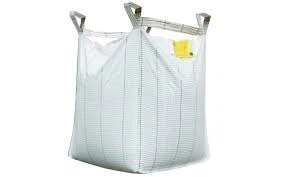
When it comes to packaging your food products, selecting the right food grade kraft paper packaging bag is a crucial decision that can significantly impact the quality, safety, and marketability of your goods. As a trusted supplier of Food Grade Kraft Paper Packaging Bags, I understand the complexities involved in this choice. In this blog, I'll share some key factors to consider when choosing the perfect packaging bag for your product.
1. Understanding Food Grade Requirements
First and foremost, it's essential to ensure that the kraft paper packaging bag you choose meets all relevant food grade standards. Food grade materials are designed to come into direct contact with food without posing any health risks. These standards typically regulate the use of chemicals, additives, and contaminants in the packaging material.
For instance, the bag should be free from harmful substances such as heavy metals, pesticides, and excessive amounts of ink or dyes. Look for certifications like FDA (Food and Drug Administration) approval in the United States or EU food contact regulations in Europe. These certifications indicate that the packaging has undergone rigorous testing and meets the necessary safety requirements.
2. Product Compatibility
The nature of your food product plays a vital role in determining the appropriate packaging bag. Different foods have different characteristics, such as moisture content, acidity, and sensitivity to light and oxygen.


- Moisture-sensitive products: If your product is prone to drying out or absorbing moisture, you'll need a packaging bag with good moisture barrier properties. Some kraft paper bags can be coated with a layer of polyethylene or other moisture-resistant materials to prevent moisture transfer. For example, coffee beans are highly sensitive to moisture, and a well-sealed, moisture-resistant kraft paper bag can help preserve their flavor and aroma.
- Oxygen-sensitive products: Oxygen can cause oxidation, which leads to spoilage, color changes, and loss of nutrients in many food products. To protect against oxygen, consider using kraft paper bags with an oxygen barrier layer. This is particularly important for products like nuts, dried fruits, and meat products.
- Acidic products: Acidic foods, such as tomatoes or citrus fruits, can react with certain packaging materials. Ensure that the kraft paper bag you choose is resistant to acid corrosion. Some bags are treated with special coatings or liners to prevent chemical reactions between the product and the packaging.
3. Size and Capacity
The size and capacity of the packaging bag should be appropriate for your product. Consider the quantity of food you want to package in each bag and the dimensions of your product. A bag that is too small may not fit the product properly, while a bag that is too large can lead to excessive air space, which can increase the risk of product damage during transportation and storage.
Measure your product carefully and choose a bag size that provides a snug fit. You may also want to consider the shape of the bag. Some products may require a rectangular bag, while others may be better suited for a gusseted or stand-up bag. Gusseted bags offer more volume and stability, making them ideal for products like flour or sugar. Stand-up bags are convenient for display and can be easily placed on store shelves.
4. Printing and Branding
Your packaging is an important marketing tool. It should not only protect your product but also attract customers and communicate your brand message. Kraft paper bags offer excellent printing capabilities, allowing you to showcase your logo, product information, and branding elements.
- Print quality: Look for a supplier that can provide high-quality printing. The colors should be vibrant, and the text should be clear and legible. Digital printing technology has made it possible to achieve detailed and accurate prints on kraft paper bags.
- Customization options: Consider the level of customization available. You may want to add special features like embossing, debossing, or foil stamping to make your packaging stand out. Some suppliers can also offer custom shapes and sizes to meet your specific branding requirements.
5. Environmental Considerations
In today's environmentally conscious market, consumers are increasingly looking for sustainable packaging options. Kraft paper is a natural and renewable resource, making it an eco-friendly choice for food packaging.
- Recyclability: Ensure that the kraft paper bag is recyclable. Most kraft paper bags can be recycled in standard paper recycling bins. Look for bags that are made from recycled materials as well, as this further reduces the environmental impact.
- Biodegradability: Biodegradable kraft paper bags break down naturally over time, reducing waste in landfills. Some bags are made from biodegradable polymers or plant-based materials, which are more environmentally friendly than traditional plastics.
6. Cost and Budget
Cost is always a consideration when choosing packaging materials. While it's important to invest in high-quality packaging to protect your product and enhance its marketability, you also need to stay within your budget.
Compare prices from different suppliers and consider the long-term costs. A slightly more expensive bag that offers better protection and branding opportunities may be a better investment in the long run. Look for suppliers that offer competitive pricing without compromising on quality.
7. Supplier Reputation and Support
Choosing a reliable supplier is crucial. A good supplier should have a proven track record of providing high-quality packaging products and excellent customer service.
- Experience: Look for a supplier with extensive experience in the food packaging industry. An experienced supplier is more likely to understand the specific requirements of food packaging and can offer valuable advice and solutions.
- Customer reviews: Read customer reviews and testimonials to get an idea of the supplier's reputation. Positive reviews indicate that the supplier is trustworthy and provides satisfactory products and services.
- Technical support: A good supplier should offer technical support to help you choose the right packaging bag for your product. They should be able to answer your questions, provide samples, and assist with any issues that may arise.
Examples of Different Applications
To give you a better idea of how different kraft paper bags are used for various food products, here are some examples:
- Kraft Paper Packaging Bag for Building Powder Materials: Although this link is mainly for building powder materials, the concept of using kraft paper for powder products can be applied to some food powders as well. For example, flour, baking powder, and protein powders can be packaged in similar kraft paper bags with appropriate sealing and protection features.
- Kraft Paper Packaging Bag for Food Additives: Food additives often require precise packaging to maintain their quality and purity. Kraft paper bags with proper sealing and barrier properties can be used to package spices, flavorings, and other food additives.
- Kraft Paper Packaging Bag for Chemical Powder Materials: Similar to food powders, chemical powders also need packaging that can prevent contamination and ensure product integrity. The same principles can be applied when choosing a kraft paper bag for certain food products with powder-like consistency.
Conclusion
Choosing the right food grade kraft paper packaging bag for your product requires careful consideration of various factors, including food grade requirements, product compatibility, size and capacity, printing and branding, environmental considerations, and supplier reputation. By taking the time to evaluate these factors, you can select a packaging bag that not only protects your product but also enhances its marketability and meets the needs of your customers.
If you're looking for high-quality food grade kraft paper packaging bags, I encourage you to get in touch with us. Our team of experts is ready to assist you in finding the perfect packaging solution for your food products. We offer a wide range of options, including custom printing and design services, to help you create a unique and effective packaging for your brand.
References
- "Food Packaging Technology" by Owen R. Fennema
- "Packaging Foods with Plastics" by Wilmer A. Jenkins and James P. Harrington
- FDA regulations on food contact materials
- EU food contact regulations