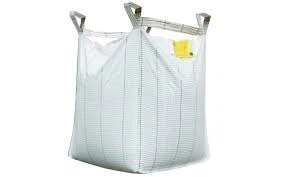
When it comes to lined paper - plastic composite packaging bags, one crucial aspect that often gets overlooked is the choice of the right adhesive. As a supplier of Lined Paper - plastic Composite Packaging Bag, I understand the significance of this decision. The adhesive used in these bags can greatly impact their performance, durability, and overall quality. In this blog, I will share some insights on how to choose the appropriate adhesive for lined paper - plastic composite packaging bags.
Understanding the Basics of Lined Paper - Plastic Composite Packaging Bags
Lined paper - plastic composite packaging bags are designed to combine the advantages of paper and plastic materials. The paper layer provides good printability, a natural and eco - friendly appearance, and some degree of stiffness. The plastic lining, on the other hand, offers excellent barrier properties against moisture, oxygen, and other contaminants. These bags are widely used in various industries such as food, chemicals, and agriculture to package products like grains, powders, and liquids.
Factors to Consider When Choosing an Adhesive
1. Compatibility with Materials
The first and most important factor is the compatibility of the adhesive with both the paper and plastic materials used in the packaging bag. Different types of paper, such as kraft paper, coated paper, or crepe paper, have different surface characteristics. Similarly, plastic linings can be made of materials like polyethylene (PE), polypropylene (PP), or polyester (PET). The adhesive must be able to bond effectively with these materials without causing any delamination or weakening of the bond over time.
For example, if you are using a Paper - plastic Composite Crepe Paper Sewn Bottom Bag, the adhesive should be able to adhere well to the crepe paper's irregular surface and the plastic lining. Some adhesives may work better with PE linings, while others are more suitable for PP or PET. It is essential to test the adhesive on sample materials before making a large - scale purchase.
2. Bond Strength
The bond strength of the adhesive is critical for ensuring the integrity of the packaging bag. The adhesive should be able to withstand the stresses and strains that the bag will encounter during handling, transportation, and storage. For products with heavy weights or sharp edges, a high - strength adhesive is required.
In the case of Paper - plastic Composite Flat Valve Bag, which is often used for filling and packaging dry powders, the adhesive needs to hold the layers together tightly to prevent any leakage. A weak bond can lead to the separation of the paper and plastic layers, compromising the bag's functionality and the safety of the packaged product.
3. Environmental Resistance
Lined paper - plastic composite packaging bags may be exposed to various environmental conditions. The adhesive should be resistant to factors such as moisture, heat, cold, and chemicals. For food packaging, the adhesive must also comply with food - contact regulations.
In a humid environment, an adhesive that is not moisture - resistant may lose its bond strength, causing the layers of the bag to separate. Similarly, if the bags are stored in high - temperature areas, the adhesive should not melt or become brittle. Chemical - resistant adhesives are necessary when packaging products that may react with the adhesive or when the bags are used in industrial settings where they may come into contact with chemicals.
4. Application Method
The application method of the adhesive is another factor to consider. Adhesives can be applied through methods such as roll - coating, spray - coating, or brush - coating. The choice of application method depends on the production process of the packaging bags and the type of adhesive.
Some adhesives are more suitable for high - speed production lines, where a fast - drying and easy - to - apply adhesive is required. Others may be better for small - scale or manual production. It is important to choose an adhesive that can be applied efficiently and consistently to ensure a uniform bond across the entire surface of the bag.
5. Cost
Cost is always a consideration in any business decision. While it is important to choose a high - quality adhesive, it is also necessary to balance the cost with the performance requirements. Some high - performance adhesives may be more expensive, but they can provide better long - term results and reduce the risk of product failures.
However, there are also cost - effective adhesives available that can meet the basic requirements of lined paper - plastic composite packaging bags. By comparing different adhesives and their prices, you can find an option that offers the best value for money.
Types of Adhesives for Lined Paper - Plastic Composite Packaging Bags
1. Hot - Melt Adhesives
Hot - melt adhesives are popular in the packaging industry because of their fast - setting properties and high bond strength. They are solid at room temperature and are melted and applied in a liquid state. Hot - melt adhesives can bond well to both paper and plastic materials and are suitable for high - speed production lines.
However, they may be sensitive to temperature changes. In cold environments, they can become brittle, and in hot environments, they may soften. Some hot - melt adhesives also have limited resistance to moisture.
2. Solvent - Based Adhesives
Solvent - based adhesives offer excellent bond strength and are compatible with a wide range of materials. They can provide a strong and durable bond between the paper and plastic layers. Solvent - based adhesives are often used in applications where high - performance bonding is required.
However, they have some drawbacks. The solvents used in these adhesives can be flammable and may pose environmental and health risks. They also require proper ventilation during the application process, and the drying time can be relatively long.
3. Water - Based Adhesives
Water - based adhesives are a more environmentally friendly option. They are non - flammable, have low volatile organic compound (VOC) emissions, and are easy to clean up. Water - based adhesives can bond well to paper and some types of plastic.
They are suitable for applications where environmental regulations are strict, such as food packaging. However, their bond strength may be lower than that of hot - melt or solvent - based adhesives, and they may require longer drying times.
Testing and Quality Control
Before selecting an adhesive for your lined paper - plastic composite packaging bags, it is essential to conduct thorough testing. This includes peel - strength tests, shear - strength tests, and environmental - resistance tests.
Peel - strength tests measure the force required to separate the paper and plastic layers bonded by the adhesive. Shear - strength tests evaluate the ability of the adhesive to withstand forces parallel to the bond surface. Environmental - resistance tests simulate the real - world conditions that the bags may encounter, such as exposure to moisture, heat, or chemicals.
Quality control measures should also be in place during the production process. Regular inspections of the bonded bags can help identify any issues with the adhesive, such as uneven bonding or delamination.
Conclusion
Choosing the right adhesive for lined paper - plastic composite packaging bags is a complex but crucial decision. By considering factors such as compatibility, bond strength, environmental resistance, application method, and cost, you can select an adhesive that meets the specific requirements of your packaging bags.


As a supplier of Lined Paper - plastic Composite Packaging Bag, I am committed to providing high - quality products. If you are in need of lined paper - plastic composite packaging bags or have any questions about adhesive selection, please feel free to contact us for further discussion and procurement negotiation. We are here to help you find the best solutions for your packaging needs.
References
- Packaging Technology Handbook, John Wiley & Sons
- Adhesive Bonding in Packaging Applications, Elsevier