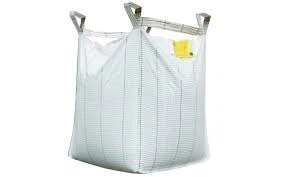
Hey there! I'm a supplier of Top Lift Bulk Bags, and I know that dealing with damaged bags can be a real headache. In this blog, I'll share some practical tips on how to handle damaged Top Lift Bulk Bags based on my years of experience in the industry.
First off, let's understand what Top Lift Bulk Bags are. These are heavy - duty bags designed to lift and transport a variety of bulk materials. You can learn more about them by clicking on this link: Top Lift Bulk Bag. They are widely used in industries like agriculture, construction, and mining. But sometimes, these bags can get damaged due to various reasons.
Common Causes of Damage
One of the most common causes of damage to Top Lift Bulk Bags is rough handling. During loading, unloading, or transportation, if the bags are not handled carefully, they can get torn or punctured. For example, sharp objects in the loading area can easily pierce through the bag material. Another cause is overloading. Each Top Lift Bulk Bag has a specified weight capacity. When you exceed this limit, the stress on the bag can cause it to break or develop weak spots.
Environmental factors also play a role. Exposure to extreme weather conditions, like prolonged sunlight or heavy rain, can degrade the bag material over time. UV rays can make the fabric brittle, and moisture can lead to mold growth, which weakens the structure of the bag.
Initial Assessment of Damage
When you discover a damaged Top Lift Bulk Bag, the first step is to assess the extent of the damage. A minor tear or a small puncture might be repairable, while a large, gaping hole or a broken lifting loop could mean the bag is beyond repair. Check the seams, the body of the bag, and the lifting loops carefully. If the damage is in the lifting loops, it's a serious issue because the bag's safety during lifting is compromised.
Repairing Minor Damage
For minor tears and punctures, you can often repair the bag yourself. You'll need a suitable repair kit, which usually includes a patch and an adhesive. First, clean the area around the damage to ensure good adhesion. Then, cut the patch to a size that covers the damaged area with a bit of overlap. Apply the adhesive to the patch and the damaged area of the bag, and press the patch firmly in place. Make sure to smooth out any air bubbles. Let the adhesive dry completely according to the manufacturer's instructions.
If the damage is in the seams, you can use a heavy - duty thread and a large needle to stitch it up. This is a bit more time - consuming, but it can be very effective for small seam separations.
When to Replace the Bag
There are situations where repair is not a viable option. If the bag has multiple large holes, or if the damage is in a critical area like the lifting loops, it's time to replace the bag. A damaged lifting loop can cause the bag to fall during lifting, which is extremely dangerous. Also, if the bag has been severely degraded by environmental factors, such as extensive mold growth or significant UV damage, replacement is the best choice.
Preventive Measures
To reduce the chances of damage in the first place, proper handling is crucial. Train your staff on how to load, unload, and transport the bags safely. Use appropriate equipment, like forklifts with soft - touch attachments, to minimize the risk of punctures.
Store the bags in a dry, shaded area when not in use. If possible, cover them to protect them from the elements. And always make sure you're using the right type of bag for the job. If you're dealing with heavy or sharp materials, consider using a more heavy - duty bag.
Comparison with Bottom Lift Bulk Bags
It's also worth mentioning Bottom Lift Bulk Bags. These bags are lifted from the bottom, which can be an advantage in some situations. You can find more information about them here: Bottom Lift Bulk Bag. However, they also face similar damage risks as Top Lift Bulk Bags. The principles of damage assessment and repair are quite similar, but the design differences mean that the areas of potential damage might vary. For example, the bottom - lifting mechanism might be more prone to wear and tear in Bottom Lift Bulk Bags.
Recycling and Disposal
Once a Top Lift Bulk Bag is beyond repair, you need to think about what to do with it. Recycling is a great option if possible. Many bulk bag manufacturers have recycling programs. They can take the damaged bags and break them down to make new products. If recycling is not an option, make sure to dispose of the bag in an environmentally friendly way, following local regulations.


Conclusion
Handling damaged Top Lift Bulk Bags requires a combination of careful assessment, appropriate repair techniques, and preventive measures. By being proactive in maintaining your bags and knowing how to deal with damage when it occurs, you can ensure the safety and efficiency of your bulk material handling operations.
If you're in the market for high - quality Top Lift Bulk Bags or have any questions about handling and maintaining them, don't hesitate to reach out. We're here to help you find the best solutions for your bulk material handling needs.
References
- Industry best practices for bulk bag handling and maintenance
- Manufacturer's guidelines for Top Lift Bulk Bag use and repair