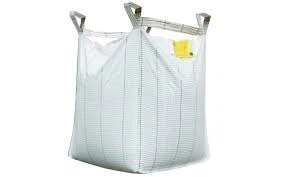
As a supplier of Multi-layer Kraft Paper Flat Valve Bags, I've often been asked about the oxygen barrier properties of these bags. In this blog post, I'll delve into the science behind the oxygen barrier capabilities of multi-layer kraft paper flat valve bags, exploring the factors that influence their performance and how they stack up against other packaging options.
Understanding Oxygen Barrier in Packaging
Oxygen can have a detrimental effect on many products, especially those that are sensitive to oxidation. Oxidation can lead to changes in flavor, color, texture, and nutritional value of food products. In the pharmaceutical and chemical industries, oxygen can cause degradation of active ingredients, reducing the effectiveness of the product. Therefore, having a good oxygen barrier in packaging is crucial to maintain the quality and shelf life of these products.
The oxygen barrier property of a packaging material is typically measured by its Oxygen Transmission Rate (OTR). OTR is defined as the volume of oxygen that passes through a given area of the material under specific conditions of temperature and humidity per unit of time. A lower OTR indicates a better oxygen barrier.
Structure and Composition of Multi-layer Kraft Paper Flat Valve Bags
Multi-layer kraft paper flat valve bags are composed of multiple layers of kraft paper, which is a strong and durable paper made from wood pulp. The number of layers can vary depending on the specific requirements of the product being packaged, but typically, these bags have two to four layers.
Each layer of kraft paper contributes to the overall strength and performance of the bag. In addition to kraft paper, these bags may also include other layers or coatings to enhance their properties. For example, a polyethylene (PE) layer can be added to improve the moisture resistance of the bag, while an aluminum foil layer can significantly enhance the oxygen barrier.
Factors Affecting the Oxygen Barrier of Multi-layer Kraft Paper Flat Valve Bags
1. Number of Layers
The number of layers in a multi-layer kraft paper flat valve bag can have a significant impact on its oxygen barrier. Generally, as the number of layers increases, the OTR decreases. This is because each layer provides an additional barrier for oxygen molecules to pass through, increasing the tortuous path that oxygen must take to penetrate the bag.
2. Type of Kraft Paper
The type of kraft paper used in the bag can also affect its oxygen barrier. Different grades of kraft paper have different densities and porosities, which can influence the OTR. For example, a high-density kraft paper with a low porosity will have a better oxygen barrier than a low-density kraft paper with a high porosity.
3. Additional Layers and Coatings
As mentioned earlier, the addition of other layers or coatings can enhance the oxygen barrier of the bag. An aluminum foil layer, for instance, has an extremely low OTR and can provide an excellent oxygen barrier. Similarly, a metallized polymer coating can also significantly reduce the OTR of the bag.


4. Sealing Quality
The quality of the seal in a multi-layer kraft paper flat valve bag is crucial for maintaining its oxygen barrier. A poor seal can allow oxygen to enter the bag, even if the bag itself has a good oxygen barrier. Therefore, it is important to ensure that the bags are properly sealed during the packaging process.
Comparing Multi-layer Kraft Paper Flat Valve Bags with Other Packaging Options
When it comes to oxygen barrier, multi-layer kraft paper flat valve bags can be a competitive option compared to other packaging materials. For example, compared to single-layer kraft paper bags, multi-layer kraft paper flat valve bags have a much lower OTR due to the additional layers.
However, when compared to some plastic or metal packaging options, the oxygen barrier of multi-layer kraft paper flat valve bags may not be as good. For instance, plastic bags made from materials such as ethylene vinyl alcohol (EVOH) or polyvinylidene chloride (PVDC) can have extremely low OTRs. Similarly, metal cans and glass bottles provide an almost perfect oxygen barrier.
But multi-layer kraft paper flat valve bags have other advantages that make them a popular choice for many applications. They are more environmentally friendly than plastic bags, as kraft paper is a renewable and biodegradable material. They are also lightweight and cost-effective, making them suitable for a wide range of products.
Applications of Multi-layer Kraft Paper Flat Valve Bags with Good Oxygen Barrier
Multi-layer kraft paper flat valve bags with a good oxygen barrier are suitable for packaging a variety of products that are sensitive to oxygen. Some of the common applications include:
1. Food Products
These bags can be used to package dry food products such as coffee, tea, spices, and cereals. By providing a good oxygen barrier, they can help to preserve the flavor, aroma, and nutritional value of these products.
2. Pharmaceutical Products
In the pharmaceutical industry, multi-layer kraft paper flat valve bags can be used to package tablets, capsules, and powders. The oxygen barrier helps to protect the active ingredients from oxidation, ensuring the effectiveness of the medication.
3. Chemical Products
Certain chemical products, such as fertilizers and pesticides, can be sensitive to oxygen. Multi-layer kraft paper flat valve bags with a good oxygen barrier can help to prevent the degradation of these products.
Conclusion
In conclusion, multi-layer kraft paper flat valve bags can have a good oxygen barrier, especially when they are designed with the appropriate number of layers, type of kraft paper, and additional coatings. While they may not provide the same level of oxygen barrier as some plastic or metal packaging options, they offer a more environmentally friendly and cost-effective alternative.
If you are looking for a reliable packaging solution for your oxygen-sensitive products, consider Multi-layer Kraft Paper Flat Valve Bags. We also offer Multi-layer Kraft Paper M-fold Valve Bag and Multi-layer Kraft Paper Flat Open Bag to meet different packaging needs.
If you are interested in learning more about our products or would like to discuss your specific packaging requirements, please feel free to contact us. We are always ready to assist you in finding the best packaging solution for your products.
References
- "Packaging Technology" by John M. Vlachopoulos
- "Handbook of Food Packaging Technology" by Yanyun Zhao and Juming Tang