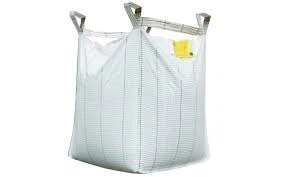
As a supplier of Lined Paper-plastic Composite Packaging Bags, I often encounter inquiries about the heat resistance of our products. Heat resistance is a crucial factor in many packaging applications, especially when it comes to storing or transporting goods that may be exposed to elevated temperatures. In this blog post, I will delve into the heat resistance properties of lined paper - plastic composite packaging bags, exploring the factors that influence it and the scenarios where good heat resistance is essential.
Composition and Structure of Lined Paper - Plastic Composite Packaging Bags
Lined paper - plastic composite packaging bags are made by combining paper and plastic materials. The paper layer provides strength, stiffness, and printability, while the plastic lining offers barrier properties against moisture, oxygen, and other contaminants. The most common types of plastic used in these bags include polyethylene (PE), polypropylene (PP), and polyester (PET).


The structure of these bags can vary depending on the specific application. For example, Paper - plastic Composite M - fold Valve Bag is designed with a unique M - fold and a valve opening, which is suitable for filling granular or powdery products. Paper - plastic Composite Flat Open Bag has a simple flat design with an open top, making it easy to fill and seal. Paper - plastic Composite Tear - open Bag is equipped with a tear - open feature for convenient access to the contents.
Factors Affecting Heat Resistance
Plastic Material
The type of plastic used in the lining plays a significant role in determining the heat resistance of the packaging bag. Polyethylene, for instance, has a relatively low melting point. Low - density polyethylene (LDPE) typically melts at around 105 - 115°C, while high - density polyethylene (HDPE) has a melting point of about 120 - 130°C. Polypropylene, on the other hand, has a higher melting point, usually in the range of 160 - 170°C. Polyester (PET) offers even better heat resistance, with a melting point of around 250 - 260°C.
Thickness of the Plastic Lining
A thicker plastic lining generally provides better heat resistance. A thicker layer can withstand higher temperatures for a longer period without deforming or melting. However, increasing the thickness also adds to the cost of production and may affect the flexibility and printability of the packaging bag.
Lamination Process
The way the paper and plastic layers are laminated together can impact heat resistance. A strong and uniform lamination ensures that the plastic layer adheres well to the paper, preventing delamination at high temperatures. Poor lamination can lead to separation of the layers, which not only reduces the heat - resistant properties but also compromises the overall integrity of the bag.
Applications Requiring Good Heat Resistance
Food Packaging
In the food industry, many products need to be stored or transported at elevated temperatures. For example, hot - filled foods such as sauces, soups, and ready - to - eat meals are often packaged while still warm. Lined paper - plastic composite packaging bags with good heat resistance can prevent the bag from deforming or leaking during the filling process and subsequent storage.
Chemical Packaging
Some chemicals may generate heat during storage or react exothermically. Packaging bags used for these chemicals need to be able to withstand the heat without breaking down. Good heat resistance ensures the safety of the chemicals and prevents any potential leakage or contamination.
Industrial Goods Packaging
Industrial products like lubricants, adhesives, and waxes may be exposed to high temperatures during manufacturing, transportation, or storage. Lined paper - plastic composite packaging bags with sufficient heat resistance can protect these products from damage and maintain their quality.
Testing the Heat Resistance of Lined Paper - Plastic Composite Packaging Bags
To ensure that our packaging bags meet the required heat - resistance standards, we conduct a series of tests. One common test is the heat - seal strength test. In this test, the bag is sealed at a specific temperature and pressure, and then the strength of the seal is measured. A strong seal indicates good heat - resistance properties.
Another test is the heat - aging test. The bags are placed in an oven at a constant high temperature for a certain period. After the aging process, the bags are examined for any signs of deformation, delamination, or loss of mechanical properties.
Our Solutions for Good Heat Resistance
As a supplier, we understand the importance of providing packaging bags with excellent heat resistance. We carefully select the plastic materials based on the specific requirements of our customers. For applications that require high - temperature resistance, we may use polypropylene or polyester linings.
We also optimize the lamination process to ensure a strong bond between the paper and plastic layers. Our quality control team conducts regular inspections and tests to guarantee that every batch of packaging bags meets our strict heat - resistance standards.
Conclusion
In conclusion, lined paper - plastic composite packaging bags can have good heat resistance, depending on the choice of materials, the thickness of the plastic lining, and the lamination process. These bags are suitable for a wide range of applications where heat resistance is crucial, such as food, chemical, and industrial goods packaging.
If you are looking for high - quality lined paper - plastic composite packaging bags with excellent heat resistance, we are here to help. Our team of experts can work with you to understand your specific needs and provide customized solutions. Contact us today to start a procurement negotiation and find the perfect packaging solution for your products.
References
- Packaging Technology Handbook, Third Edition. Edited by Wilmer A. Jenkins and James P. Harrington.
- Plastics in Packaging Applications. By Rosato's Plastics Encyclopedia and Dictionary.