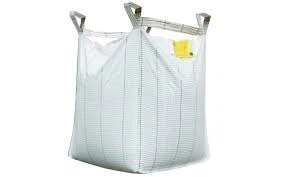
Hey there! As a supplier of Top Lift Bulk Bags, I often get asked whether these bags can be used for fertilizers. Well, let's dig deep into this topic and find out.
First off, let's understand what Top Lift Bulk Bags are. A Top Lift Bulk Bag is a type of flexible intermediate bulk container (FIBC) designed to be lifted from the top. These bags are typically made of woven polypropylene, which is a strong and durable material. They come in various sizes and capacities, making them suitable for a wide range of applications.
Now, let's talk about fertilizers. Fertilizers are substances that are added to soil to improve its fertility and enhance plant growth. They can be in the form of solids, liquids, or gases. Solid fertilizers are the most common type, and they are often stored and transported in bulk. This is where bulk bags come in handy.
One of the main advantages of using Top Lift Bulk Bags for fertilizers is their strength and durability. The woven polypropylene material can withstand the weight and pressure of the fertilizer, ensuring that the bag doesn't tear or break during handling and transportation. This is crucial, as any leakage or spillage of fertilizers can be harmful to the environment and pose a safety risk.
Another benefit is the ease of handling. Top Lift Bulk Bags are designed to be lifted using forklifts or cranes, which makes it easy to move them around in warehouses, factories, and farms. The top lifting design also allows for efficient loading and unloading, reducing the time and labor required for these operations.


In addition, Top Lift Bulk Bags are cost - effective. They are reusable, which means that you can use them multiple times for different batches of fertilizers. This helps to reduce the overall cost of packaging and transportation. Moreover, compared to other types of packaging, such as drums or boxes, bulk bags take up less space, which can lead to savings in storage and shipping costs.
However, there are also some factors to consider when using Top Lift Bulk Bags for fertilizers. One of the key considerations is the type of fertilizer. Some fertilizers are highly corrosive or reactive, which can damage the bag material over time. For example, fertilizers containing high levels of acids or alkalis may cause the polypropylene to degrade. In such cases, it's important to choose a bag with a special coating or liner that can resist corrosion.
The moisture content of the fertilizer is another important factor. Fertilizers that are prone to absorbing moisture can clump together inside the bag, making it difficult to unload. To prevent this, you can choose a bag with a moisture - resistant liner or store the bags in a dry environment.
Now, let's compare Top Lift Bulk Bags with Bottom Lift Bulk Bags. Bottom Lift Bulk Bags are designed to be lifted from the bottom. While they also have their advantages, such as better stability during lifting, they may not be as suitable for fertilizers in some cases. For example, if the fertilizer is heavy or has a high density, it may be more difficult to lift a bottom - lift bag safely. Top Lift Bulk Bags, on the other hand, can be more easily balanced and controlled during lifting.
In terms of filling and unloading, Top Lift Bulk Bags offer more flexibility. You can fill them from the top using a hopper or a conveyor, and unload them either by cutting the bottom of the bag or using a discharge spout. This makes them more adaptable to different types of handling equipment and processes.
When it comes to storage, Top Lift Bulk Bags can be stacked more easily. Since they are lifted from the top, you can stack them one on top of the other without worrying about the lifting points getting in the way. This is especially useful in warehouses where space is limited.
To ensure the proper use of Top Lift Bulk Bags for fertilizers, it's important to follow some best practices. First, make sure to choose the right size and capacity of the bag based on the amount of fertilizer you need to package. Overloading the bag can increase the risk of damage.
Second, always inspect the bags before use. Check for any signs of damage, such as tears, holes, or weak spots. If you find any issues, replace the bag immediately.
Third, store the bags in a clean and dry place. Avoid exposing them to direct sunlight, as this can cause the polypropylene to degrade over time.
In conclusion, Top Lift Bulk Bags can definitely be used for fertilizers. They offer many advantages in terms of strength, durability, ease of handling, and cost - effectiveness. However, it's important to consider the type of fertilizer, moisture content, and other factors to ensure that the bags are used safely and effectively.
If you're in the market for Top Lift Bulk Bags for your fertilizer packaging needs, I'd love to have a chat with you. Whether you have questions about the bag specifications, pricing, or delivery, I'm here to help. Get in touch with me, and we can discuss how these bags can meet your specific requirements.
References
- "Handbook of Bulk Solids Handling and Transport"
- "Fertilizer Technology and Application"