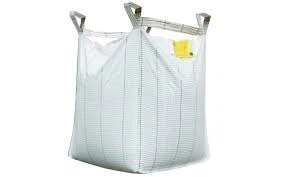
As a supplier of Lined Paper-plastic Composite Packaging Bags, I often encounter inquiries regarding the suitability of our products for pharmaceutical applications. This blog post aims to delve into the technical aspects, regulatory requirements, and practical considerations to answer the question: Can lined paper - plastic composite packaging bags be used for pharmaceutical products?
Technical Characteristics of Lined Paper - Plastic Composite Packaging Bags
Lined paper - plastic composite packaging bags combine the advantages of paper and plastic materials. The paper layer provides mechanical strength, printability, and a certain degree of breathability, while the plastic lining offers excellent barrier properties against moisture, oxygen, and light.
The plastic lining in these bags is typically made of materials such as polyethylene (PE), polypropylene (PP), or polyester (PET). These plastics have different properties. For example, PE is known for its flexibility and good moisture - barrier properties. PP has high chemical resistance and mechanical strength, making it suitable for applications where the packaging needs to withstand some physical stress. PET offers excellent clarity and high - barrier performance against oxygen and carbon dioxide.
The combination of paper and plastic in these composite bags can be achieved through various lamination processes. Extrusion lamination, for instance, involves melting the plastic resin and applying it to the paper substrate under high pressure. Adhesive lamination uses an adhesive to bond the paper and plastic layers together. These processes ensure a strong and durable bond between the two materials, creating a packaging solution that can protect the contents from external factors.
Requirements for Pharmaceutical Packaging
Pharmaceutical products are highly sensitive and require strict packaging standards to maintain their quality, efficacy, and safety. The packaging must protect the drugs from physical damage, such as crushing or abrasion during transportation and storage. It should also prevent the ingress of moisture, oxygen, light, and microorganisms, which can cause chemical degradation, oxidation, or microbial contamination of the drugs.
Regulatory bodies around the world, such as the U.S. Food and Drug Administration (FDA) and the European Medicines Agency (EMA), have established comprehensive guidelines for pharmaceutical packaging. These guidelines cover aspects such as material selection, packaging design, and testing methods. For example, the packaging materials must be non - toxic and should not leach any harmful substances into the drugs. They should also be compatible with the drug formulation, meaning that there should be no chemical interaction between the packaging and the drug that could affect its quality.
Suitability of Lined Paper - Plastic Composite Packaging Bags for Pharmaceuticals
Advantages
- Barrier Properties: The plastic lining in lined paper - plastic composite packaging bags can provide a good barrier against moisture, oxygen, and light. This is crucial for pharmaceutical products, as many drugs are sensitive to these environmental factors. For example, moisture can cause the degradation of certain drugs, leading to a loss of potency. Oxygen can oxidize drugs, changing their chemical structure and reducing their effectiveness. Light can also cause photochemical reactions in some drugs, resulting in the formation of impurities.
- Printability: The paper layer of the composite bag offers excellent printability. This is important for pharmaceutical packaging, as it allows for the clear labeling of the drug name, dosage, instructions for use, and other important information. Good print quality ensures that patients and healthcare providers can easily read and understand the information on the packaging.
- Mechanical Strength: The combination of paper and plastic provides sufficient mechanical strength to protect the pharmaceutical products during handling and transportation. The paper layer can withstand some degree of bending and folding, while the plastic lining adds to the overall toughness of the packaging.
Limitations
- Microbial Barrier: While the plastic lining can provide a good barrier against moisture and gases, its effectiveness as a microbial barrier may be limited. Microorganisms can potentially penetrate the packaging through small pores or defects in the plastic layer. This is a significant concern for pharmaceutical products, as microbial contamination can pose a serious risk to patient health.
- Chemical Compatibility: Ensuring chemical compatibility between the packaging materials and the pharmaceutical products can be challenging. Some drugs may react with the plastic or paper components of the composite bag, leading to the formation of impurities or a change in the drug's properties. This requires extensive testing to ensure that the packaging is safe for use with specific drugs.
Case Studies and Applications
In some cases, lined paper - plastic composite packaging bags have been successfully used for certain types of pharmaceutical products. For example, they can be used for over - the - counter (OTC) drugs that are less sensitive to environmental factors. OTC drugs such as pain relievers or antacids may not require the same level of protection as prescription drugs, and lined paper - plastic composite bags can provide adequate protection at a lower cost.
However, for more sensitive pharmaceutical products, such as injectable drugs or biologics, the use of lined paper - plastic composite packaging bags may be more limited. These products often require high - performance packaging materials, such as glass vials or pre - filled syringes, which offer superior barrier properties and sterility.
Regulatory Considerations
When considering using lined paper - plastic composite packaging bags for pharmaceutical products, it is essential to comply with all relevant regulatory requirements. This may involve conducting extensive testing to demonstrate the safety and efficacy of the packaging. The testing may include studies on the barrier properties, chemical compatibility, and microbial resistance of the packaging.
In addition, the packaging manufacturer must ensure that their production facilities meet the required quality standards. This includes maintaining a clean and controlled manufacturing environment, implementing strict quality control procedures, and obtaining the necessary certifications.
Conclusion
In conclusion, lined paper - plastic composite packaging bags have both advantages and limitations when it comes to use in pharmaceutical applications. While they can provide good barrier properties, printability, and mechanical strength, they may face challenges in terms of microbial barrier and chemical compatibility.
For less sensitive pharmaceutical products, such as some OTC drugs, lined paper - plastic composite packaging bags can be a viable option. However, for more sensitive drugs, further research and development may be needed to improve the performance of these packaging bags.
If you are interested in exploring the use of Lined Paper - plastic Composite Packaging Bag for your pharmaceutical products, or other related products like Paper - plastic Composite M - fold Valve Bag and Paper - plastic Composite Flat Open Bag, please feel free to contact us for a detailed discussion and potential procurement negotiation. We are committed to providing high - quality packaging solutions that meet your specific needs.


References
- U.S. Food and Drug Administration. "Guidance for Industry: Container Closure Systems for Packaging Human Drugs and Biologics."
- European Medicines Agency. "Reflection Paper on Plastic Immediate Packaging Materials for Medicinal Products for Human Use."
- International Organization for Standardization (ISO). "ISO standards related to packaging materials and testing methods."