In the realm of industrial waste management, the question of whether bulk bags for process handling can be used for hazardous waste is a critical one. As a supplier of bulk bags for process handling, I've encountered this query numerous times from our clients. This blog aims to provide a comprehensive answer, exploring the technical, regulatory, and practical aspects of using these bags for hazardous waste.
Technical Suitability of Bulk Bags for Hazardous Waste
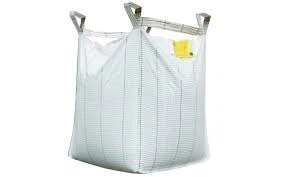
Bulk bags, also known as flexible intermediate bulk containers (FIBCs), are designed to handle a wide range of materials in various industries. They come in different types, such as the Top Lift Bulk Bag and the Bottom Lift Bulk Bag. These bags are typically made from woven polypropylene fabric, which offers certain physical properties that can be relevant for hazardous waste handling.


The strength of bulk bags is a crucial factor. They are engineered to withstand significant weight and stress during filling, transportation, and storage. For hazardous waste, this means that the bag must be able to hold the waste securely without tearing or breaking. Our bulk bags are tested to ensure they meet high standards of strength and durability. For example, they undergo rigorous load testing to determine their safe working load (SWL), which indicates the maximum weight they can safely carry.
Another important technical aspect is the chemical resistance of the bag material. Hazardous waste can come in many forms, including corrosive liquids, reactive solids, and toxic powders. The bulk bag must be able to resist the chemical attack of these substances to prevent leakage and contamination. Our bulk bags can be customized with special coatings or liners to enhance their chemical resistance. For instance, a polyethylene liner can be added to the bag to provide a barrier against corrosive liquids.
Regulatory Considerations
Using bulk bags for hazardous waste is subject to strict regulations in many countries. These regulations are in place to protect human health and the environment from the potential risks associated with hazardous waste. In the United States, for example, the Environmental Protection Agency (EPA) has established rules under the Resource Conservation and Recovery Act (RCRA) for the management of hazardous waste.
One of the key requirements is proper labeling. Bulk bags used for hazardous waste must be clearly labeled with information about the type of waste, its hazards, and handling instructions. This helps ensure that workers and emergency responders can identify the waste and take appropriate precautions. Our company provides custom labeling services to ensure that our bulk bags comply with all regulatory labeling requirements.
In addition, there are regulations regarding the storage and transportation of hazardous waste. Bulk bags must be stored in a secure area that is designed to prevent spills and leaks. During transportation, they must be properly secured to prevent movement and damage. Our bulk bags are designed with features such as lifting loops and handles to facilitate safe handling and transportation.
Practical Challenges and Solutions
Despite the technical and regulatory suitability of bulk bags for hazardous waste, there are some practical challenges that need to be addressed. One of the main challenges is the potential for cross - contamination. If a bulk bag has been used to handle non - hazardous materials and is then reused for hazardous waste, there is a risk of cross - contamination. To mitigate this risk, we recommend proper cleaning and inspection of the bags before reuse. Our company can provide guidelines and services for cleaning bulk bags to ensure they are free from any residual contaminants.
Another challenge is the disposal of the bulk bags after use. Once a bulk bag has been used to handle hazardous waste, it becomes contaminated and must be disposed of properly. In some cases, the bag can be recycled if it can be decontaminated. However, in other cases, it may need to be incinerated or buried in a hazardous waste landfill. Our company works with our clients to develop appropriate disposal plans based on the type of hazardous waste and local regulations.
Case Studies
To illustrate the successful use of our bulk bags for hazardous waste, let's look at a few case studies. A chemical manufacturing company was looking for a safe and efficient way to handle their corrosive waste. They chose our Top Lift Bulk Bag with a special polyethylene liner. The liner provided excellent chemical resistance, and the bag's strong construction ensured that it could hold the corrosive waste without any issues. The company was able to transport and store the waste safely, complying with all regulatory requirements.
Another case involves a mining company that needed to handle radioactive waste. They opted for our Bottom Lift Bulk Bag with additional shielding. The bag's design allowed for easy loading and unloading, and the shielding provided protection against radiation. The mining company was able to manage their radioactive waste effectively using our bulk bags.
Conclusion
In conclusion, bulk bags for process handling can be used for hazardous waste, provided that they are technically suitable, comply with regulations, and address practical challenges. As a supplier of bulk bags, we are committed to providing high - quality products that meet the needs of our clients in the hazardous waste management industry. Our Top Lift Bulk Bag and Bottom Lift Bulk Bag are designed with the strength, chemical resistance, and features necessary for safe handling of hazardous waste.
If you are in the market for bulk bags for hazardous waste handling, we invite you to contact us for a consultation. Our team of experts can help you select the right bulk bags for your specific needs and ensure that you are in compliance with all relevant regulations. Let's work together to find the best solutions for your hazardous waste management challenges.
References
- Environmental Protection Agency (EPA). Resource Conservation and Recovery Act (RCRA) regulations.
- ASTM International standards for flexible intermediate bulk containers (FIBCs).
- Industry reports on hazardous waste management and bulk bag usage.