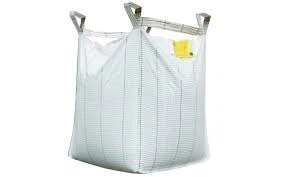
As a seasoned bulk bag supplier, I've encountered numerous inquiries regarding the suitability of bulk bags for cement storage. This topic is of paramount importance to industries that rely on cement, such as construction and manufacturing. In this blog post, I'll delve into the technical aspects, benefits, and considerations of using bulk bags for cement storage.
Understanding Bulk Bags
Bulk bags, also known as flexible intermediate bulk containers (FIBCs), are large, flexible containers designed for storing and transporting dry, flowable materials. They are typically made of woven polypropylene, a durable and versatile material that offers excellent strength and resistance to tearing. Bulk bags come in various sizes, capacities, and configurations to meet the diverse needs of different industries.
Types of Bulk Bags
There are several types of bulk bags available in the market, each with its own unique features and applications. Some of the most common types include:
- Standard Bulk Bags: These are the most basic type of bulk bags, designed for general-purpose storage and transportation of dry materials. They are typically made of plain woven polypropylene and have a simple structure.
- Food Grade Bulk Bag: Food Grade Bulk Bag are specifically designed for storing and transporting food products. They are made of food-grade materials that meet strict hygiene and safety standards.
- Conductive Bulk Bag: Conductive Bulk Bag are used for storing and transporting materials that are prone to static electricity buildup. They are made of conductive materials that dissipate static charges, preventing the risk of fire or explosion.
- Lined Bulk Bags: These are bulk bags with an inner lining, typically made of polyethylene or polypropylene. The lining provides an additional layer of protection against moisture, dust, and other contaminants.
Suitability of Bulk Bags for Cement Storage
Cement is a fine, powdery material that requires proper storage to maintain its quality and performance. Bulk bags can be a suitable option for cement storage, provided that certain conditions are met. Here are some factors to consider:
Material Compatibility
The material used to make the bulk bag must be compatible with cement. Woven polypropylene, the most common material used for bulk bags, is generally compatible with cement. However, it's important to ensure that the bag is made of high-quality polypropylene that is resistant to abrasion, chemicals, and UV radiation.
Moisture Resistance
Cement is highly susceptible to moisture, which can cause it to harden and lose its effectiveness. Therefore, it's crucial to choose a bulk bag that offers excellent moisture resistance. Lined bulk bags are a good option as they provide an additional layer of protection against moisture. Additionally, the bag should be stored in a dry, well-ventilated area to prevent moisture from accumulating.
Strength and Durability
Cement is a heavy material, and bulk bags used for its storage must be able to withstand the weight without tearing or breaking. The bag should have a high load capacity and be made of strong, durable materials. It's also important to ensure that the bag is properly designed and constructed to prevent issues such as sagging or bursting.
Cleanliness and Hygiene
Cement is a critical material in many industries, and it's important to ensure that it is stored in a clean and hygienic environment. Bulk bags should be clean and free from contaminants before use. Additionally, the bag should be stored in a clean area to prevent the introduction of dust, dirt, or other impurities.
Benefits of Using Bulk Bags for Cement Storage
There are several benefits to using bulk bags for cement storage, including:
Cost-Effectiveness
Bulk bags are a cost-effective alternative to traditional storage methods such as silos or drums. They are relatively inexpensive to purchase and can be reused multiple times, reducing the overall cost of storage.


Flexibility
Bulk bags are flexible and can be easily transported and stored in various locations. They can be stacked on top of each other, saving valuable storage space. Additionally, they can be easily moved using forklifts or other handling equipment, making them a convenient option for industries that require frequent transportation of cement.
Reduced Waste
Bulk bags are a more environmentally friendly option compared to traditional storage methods. They can be reused multiple times, reducing the amount of waste generated. Additionally, they are made of recyclable materials, further reducing their environmental impact.
Improved Safety
Bulk bags are designed to be safe and easy to handle. They have a low center of gravity, which reduces the risk of tipping over. Additionally, they are equipped with lifting loops or straps, which make them easy to lift and transport using forklifts or other handling equipment.
Considerations for Using Bulk Bags for Cement Storage
While bulk bags can be a suitable option for cement storage, there are some considerations to keep in mind:
Storage Conditions
As mentioned earlier, cement is highly susceptible to moisture, and it's important to store it in a dry, well-ventilated area. The storage area should be protected from rain, snow, and other sources of moisture. Additionally, the temperature and humidity levels should be monitored and controlled to prevent the cement from hardening or deteriorating.
Handling and Transportation
Bulk bags should be handled and transported with care to prevent damage. They should be lifted using appropriate handling equipment, such as forklifts or cranes, and should not be dragged or pulled. Additionally, they should be stacked properly to prevent them from tipping over or collapsing.
Inspection and Maintenance
Bulk bags should be inspected regularly for signs of damage or wear. Any damaged bags should be replaced immediately to prevent the risk of leakage or contamination. Additionally, the bags should be cleaned and maintained regularly to ensure their continued performance.
Conclusion
In conclusion, bulk bags can be a suitable option for cement storage, provided that certain conditions are met. They offer several benefits, including cost-effectiveness, flexibility, reduced waste, and improved safety. However, it's important to choose the right type of bulk bag, ensure proper storage conditions, handle and transport the bags with care, and inspect and maintain them regularly.
If you're considering using bulk bags for cement storage, I encourage you to contact us to discuss your specific needs. Our team of experts can help you choose the right type of bulk bag, provide guidance on storage and handling, and offer competitive pricing. We look forward to the opportunity to work with you and help you find the best solution for your cement storage needs.
References
- ASTM International. (2021). Standard Specification for Flexible Intermediate Bulk Containers (FIBCs) for Shipping and Storage. ASTM D3990-21.
- European Federation of Bulk Bag Manufacturers and Importers (FIBA). (2020). Code of Practice for the Safe Use of Flexible Intermediate Bulk Containers.
- International Organization for Standardization (ISO). (2019). ISO 21898:2019 - Packaging - Flexible intermediate bulk containers - General safety requirements and testing methods.