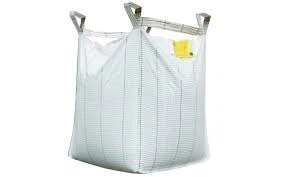
As a supplier of Bottom Lift Bulk Bags, I often encounter inquiries regarding the suitability of these bags for transporting and storing hazardous materials. This topic is of significant importance as the improper handling of hazardous substances can lead to severe environmental and safety risks. In this blog, I will delve into the key factors that determine whether Bottom Lift Bulk Bags can be used for hazardous materials, providing a comprehensive analysis based on industry standards and best practices.
Understanding Bottom Lift Bulk Bags
Before discussing their use with hazardous materials, it's essential to understand what Bottom Lift Bulk Bags are. A Bottom Lift Bulk Bag is a type of flexible intermediate bulk container (FIBC) designed with lifting loops at the bottom. This design allows for a more stable and controlled lifting process compared to Top Lift Bulk Bags, which have loops at the top. The bottom lift feature is particularly useful when dealing with heavy or large - volume loads, as it distributes the weight more evenly and reduces the risk of the bag tipping during lifting and transportation.
Factors Affecting the Use of Bottom Lift Bulk Bags for Hazardous Materials
Material Compatibility
One of the primary considerations when using Bottom Lift Bulk Bags for hazardous materials is the compatibility between the bag material and the substance being stored or transported. Hazardous materials can be corrosive, reactive, or abrasive, and the bag material must be able to withstand these properties without degradation.
For example, if the hazardous material is a strong acid, the bag should be made of a material that is resistant to acid corrosion, such as high - density polyethylene (HDPE) or polypropylene (PP). These polymers have excellent chemical resistance and can protect the contents from leaking and the environment from contamination. However, if the acid is extremely concentrated or has unique chemical properties, additional protective liners may be required.
Permeability
Another crucial factor is the permeability of the bag. Hazardous materials can emit vapors or gases that may be harmful to the environment or human health. The Bottom Lift Bulk Bag should have low permeability to prevent the escape of these substances.
Some bags are designed with special coatings or laminates to reduce permeability. For instance, a bag with a foil laminate can significantly reduce the diffusion of volatile organic compounds (VOCs) from the bag. Additionally, the seams and closures of the bag must be properly sealed to prevent any leakage points.
Structural Integrity
The structural integrity of the Bottom Lift Bulk Bag is vital when handling hazardous materials. The bag must be able to withstand the weight of the contents, as well as the stresses associated with lifting, transportation, and storage.
During the manufacturing process, strict quality control measures should be in place to ensure that the bag meets the required strength standards. This includes testing the tensile strength of the fabric, the strength of the seams, and the durability of the lifting loops. For hazardous materials, it is often recommended to use bags with a higher safety factor, typically a safety factor of 5:1 or higher, which means the bag can hold five times its rated capacity without failure.
Regulatory Compliance
Using Bottom Lift Bulk Bags for hazardous materials must comply with various national and international regulations. These regulations are in place to protect human health and the environment.
For example, in the United States, the Department of Transportation (DOT) has specific requirements for the transportation of hazardous materials. Bags must be designed, tested, and marked in accordance with DOT regulations. Similarly, the International Maritime Organization (IMO) has regulations for the shipping of hazardous materials by sea. Suppliers of Bottom Lift Bulk Bags must ensure that their products meet these regulatory requirements to avoid legal issues and potential safety hazards.
Advantages of Using Bottom Lift Bulk Bags for Hazardous Materials
Improved Handling Safety
The bottom lift design of these bags offers enhanced safety during handling. When lifting a bag filled with hazardous materials, the risk of tipping is reduced, which minimizes the potential for spills and accidents. The even distribution of weight also reduces stress on the bag, decreasing the likelihood of structural failure.
Efficient Loading and Unloading
Bottom Lift Bulk Bags can be loaded and unloaded more efficiently compared to other types of containers. This is particularly important when dealing with hazardous materials, as minimizing the time of exposure to the substance reduces the risk of accidents. The bottom discharge feature allows for a controlled and quick release of the contents, which is beneficial for both safety and productivity.
Cost - Effectiveness
In many cases, using Bottom Lift Bulk Bags for hazardous materials can be a cost - effective solution. These bags are generally less expensive than rigid containers, and they can be reused multiple times if properly maintained. Additionally, their lightweight design reduces transportation costs, as less fuel is required to move the bags.
Limitations and Challenges
Limited Capacity for Some Hazardous Materials
While Bottom Lift Bulk Bags are suitable for many hazardous materials, there are limitations to their capacity. Some extremely hazardous substances, such as highly radioactive materials or certain types of explosive chemicals, may require specialized containers with additional safety features. These substances often need to be transported and stored in accordance with strict regulations that may not be fully met by standard Bottom Lift Bulk Bags.
Inspection and Maintenance
Regular inspection and maintenance are essential when using Bottom Lift Bulk Bags for hazardous materials. Any signs of damage, such as tears, holes, or worn seams, must be addressed immediately. However, inspecting bags containing hazardous materials can be challenging and dangerous, as it requires proper personal protective equipment (PPE) and safety procedures.
Conclusion
In conclusion, Bottom Lift Bulk Bags can be used for hazardous materials under the right conditions. Material compatibility, permeability, structural integrity, and regulatory compliance are all critical factors that must be considered. When these factors are properly addressed, these bags offer several advantages, including improved handling safety, efficient loading and unloading, and cost - effectiveness.
However, it's important to recognize the limitations and challenges associated with using Bottom Lift Bulk Bags for hazardous materials. For some extremely hazardous substances, alternative containers may be necessary. As a supplier, I am committed to providing high - quality Bottom Lift Bulk Bags that meet the strictest safety and regulatory standards. If you have any questions about using our bags for hazardous materials or would like to discuss your specific requirements, please feel free to contact us for a detailed consultation and to start the procurement process.


References
- ASTM International. (Year). Standard specifications for flexible intermediate bulk containers (FIBCs). ASTM DXXXX.
- United States Department of Transportation. (Year). Hazardous Materials Regulations (HMR). 49 CFR Parts 100 - 185.
- International Maritime Organization. (Year). International Maritime Dangerous Goods (IMDG) Code.