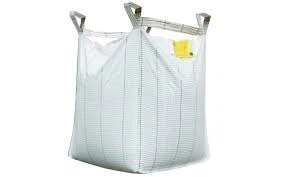
As a supplier of Bottom Lift Bulk Bags, I often receive inquiries from customers regarding the suitability of these bags for food products. This is a crucial question that requires a comprehensive understanding of the bag's features, regulatory requirements, and food safety standards. In this blog post, I will delve into the details to provide a clear answer.
Understanding Bottom Lift Bulk Bags
Bottom Lift Bulk Bags, also known as bottom discharge bulk bags, are designed with a unique bottom outlet that allows for easy and efficient unloading of the contents. This design feature makes them ideal for applications where a controlled and rapid discharge of materials is required. Compared to Top Lift Bulk Bag, which are lifted from the top and usually unloaded through a spout at the top or side, Bottom Lift Bulk Bags offer distinct advantages in terms of unloading speed and precision.
The construction of Bottom Lift Bulk Bags typically involves high - strength woven polypropylene fabric, which provides excellent durability and resistance to tearing. The fabric can be coated or laminated to enhance its properties, such as moisture resistance and chemical resistance. Additionally, the bags are equipped with strong lifting loops and a well - designed bottom discharge mechanism.
Food Safety Considerations
When it comes to using Bottom Lift Bulk Bags for food products, food safety is of utmost importance. The materials used in the construction of the bags must be non - toxic and comply with relevant food contact regulations. In many countries, including the United States and the European Union, there are strict regulations governing the use of materials in contact with food.
Material Compliance
The woven polypropylene fabric used in Bottom Lift Bulk Bags can be made food - grade. Food - grade polypropylene is a safe and widely used material in the food industry. It is resistant to chemicals, does not react with food, and can withstand a wide range of temperatures. However, it is essential to ensure that the fabric is produced in a clean and controlled environment to prevent contamination.
Coating and Lamination
If the bag has a coating or lamination, it must also meet food safety standards. Some coatings are designed to provide additional protection against moisture, oxygen, or other contaminants. These coatings should be made from food - approved substances and should not leach any harmful chemicals into the food.
Manufacturing Process
The manufacturing process of Bottom Lift Bulk Bags for food products must be carefully controlled. This includes proper cleaning and sterilization of the production equipment, preventing cross - contamination from other non - food products, and ensuring that the bags are stored in a clean and dry environment before use.
Advantages of Using Bottom Lift Bulk Bags for Food Products
Efficient Loading and Unloading
One of the main advantages of using Bottom Lift Bulk Bags for food products is the efficient loading and unloading process. The bottom discharge mechanism allows for a quick and controlled release of the food product, reducing the risk of spillage and waste. This is particularly beneficial for bulk food products such as grains, flour, and sugar.
Protection of Food Quality
The high - strength fabric and proper sealing of Bottom Lift Bulk Bags can protect the food product from external contaminants such as dust, moisture, and pests. This helps to maintain the quality and freshness of the food during storage and transportation.
Cost - Effectiveness
Using Bottom Lift Bulk Bags can be a cost - effective solution for food producers. The bags are reusable, which reduces the packaging cost in the long run. Additionally, the efficient handling process can save time and labor costs.
Challenges and Mitigations
Cross - Contamination
One of the challenges in using Bottom Lift Bulk Bags for food products is the risk of cross - contamination. If the bags are used to transport different types of food products or non - food products, there is a possibility of residue or contaminants being transferred from one product to another.
To mitigate this risk, it is important to have a strict cleaning and sanitation protocol in place. After each use, the bags should be thoroughly cleaned and inspected for any signs of contamination. It may also be necessary to use separate bags for different types of food products.


Labeling and Traceability
Proper labeling of Bottom Lift Bulk Bags for food products is essential. The label should include information such as the product name, batch number, date of production, and any relevant food safety information. This helps to ensure traceability in case of a food safety issue.
Regulatory Compliance
As mentioned earlier, compliance with food contact regulations is crucial when using Bottom Lift Bulk Bags for food products. In the United States, the Food and Drug Administration (FDA) regulates the use of materials in contact with food. The bags must meet the requirements of 21 CFR (Code of Federal Regulations) parts 170 - 199, which cover food additives, food - contact substances, and other related topics.
In the European Union, the European Food Safety Authority (EFSA) sets the standards for food contact materials. The bags must comply with Regulation (EC) No 1935/2004, which lays down the general principles and requirements for materials and articles intended to come into contact with food.
Conclusion
In conclusion, Bottom Lift Bulk Bags can be used for food products, provided that they meet strict food safety standards. The bags offer several advantages in terms of efficient handling, protection of food quality, and cost - effectiveness. However, it is essential to ensure that the bags are made from food - grade materials, are manufactured in a clean environment, and comply with relevant regulations.
If you are considering using Bottom Lift Bulk Bag for your food products, I encourage you to contact us for more information. Our team of experts can help you choose the right bag for your specific needs and ensure that it meets all the necessary food safety requirements. We are committed to providing high - quality and safe packaging solutions for the food industry.
References
- Food and Drug Administration (FDA). (2023). Code of Federal Regulations, Title 21, Parts 170 - 199.
- European Food Safety Authority (EFSA). (2023). Regulation (EC) No 1935/2004 on materials and articles intended to come into contact with food.