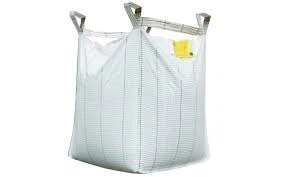
As a supplier of Bottom Lift Bulk Bags, one of the most frequently asked questions I encounter is whether these bags can be stacked. In this blog post, I'll delve into the details of stacking Bottom Lift Bulk Bags, exploring the factors that influence stackability, the benefits and potential challenges, and best practices to ensure safe and efficient stacking.
Understanding Bottom Lift Bulk Bags
Before we discuss stacking, let's briefly understand what Bottom Lift Bulk Bags are. Bottom Lift Bulk Bags, as the name suggests, are designed to be lifted from the bottom. They are typically used for transporting and storing a wide range of dry, flowable materials such as grains, chemicals, and minerals. Unlike Top Lift Bulk Bag, which are lifted from the top using loops or straps, Bottom Lift Bulk Bags rely on a bottom lifting mechanism, which can be a pallet, a forklift, or a specialized lifting device.
Factors Affecting Stackability
Several factors determine whether Bottom Lift Bulk Bags can be stacked safely and effectively. These include the bag's design, the material being stored, the stacking height, and the storage environment.
Bag Design
The design of the Bottom Lift Bulk Bag plays a crucial role in its stackability. Bags with a square or rectangular base are generally more stable and easier to stack than those with a round base. Additionally, bags with reinforced corners and seams are less likely to tear or collapse under the weight of other bags. Some Bottom Lift Bulk Bags are also designed with a flat top, which provides a stable surface for stacking.
Material Being Stored
The type of material being stored in the Bottom Lift Bulk Bag can also affect its stackability. Materials that are dense and heavy, such as metals or minerals, require stronger bags and more careful stacking to prevent the bags from bursting or collapsing. On the other hand, lighter materials, such as grains or powders, may be easier to stack but still require proper support to prevent shifting.
Stacking Height
The height of the stack is another important factor to consider. Stacking too many bags on top of each other can increase the risk of the stack toppling over, especially if the bags are not properly aligned or supported. It's important to follow the manufacturer's recommendations for maximum stacking height and to use appropriate equipment, such as pallets or racks, to support the stack.
Storage Environment
The storage environment can also impact the stackability of Bottom Lift Bulk Bags. Bags stored in a humid or damp environment may be more prone to mold and mildew, which can weaken the bag's fabric and reduce its strength. Additionally, bags stored in an area with high winds or vibrations may be more likely to shift or topple over. It's important to store Bottom Lift Bulk Bags in a dry, stable environment and to secure the stack to prevent movement.
Benefits of Stacking Bottom Lift Bulk Bags
Stacking Bottom Lift Bulk Bags offers several benefits, including increased storage capacity, improved organization, and reduced handling costs.
Increased Storage Capacity
By stacking Bottom Lift Bulk Bags, you can make the most of your storage space. Instead of storing bags side by side, you can stack them vertically, allowing you to store more bags in a smaller area. This is especially beneficial for businesses with limited storage space or those looking to maximize their warehouse efficiency.
Improved Organization
Stacking Bottom Lift Bulk Bags can also help improve organization in your warehouse or storage facility. By stacking bags in a neat and orderly manner, you can easily locate and access the bags you need. This can save time and reduce the risk of damage to the bags or their contents.
Reduced Handling Costs
Stacking Bottom Lift Bulk Bags can also help reduce handling costs. Instead of handling each bag individually, you can stack multiple bags on a pallet or in a rack and move them as a single unit. This can save time and labor costs, especially when handling large quantities of bags.
Potential Challenges of Stacking Bottom Lift Bulk Bags
While stacking Bottom Lift Bulk Bags offers many benefits, there are also some potential challenges to consider. These include the risk of the stack toppling over, the potential for damage to the bags or their contents, and the need for proper equipment and training.
Risk of Toppling Over
One of the main challenges of stacking Bottom Lift Bulk Bags is the risk of the stack toppling over. This can occur if the bags are not properly aligned or supported, if the stack is too high, or if the storage environment is unstable. To prevent the stack from toppling over, it's important to follow the manufacturer's recommendations for maximum stacking height, to use appropriate equipment, such as pallets or racks, to support the stack, and to secure the stack to prevent movement.
Potential for Damage
Stacking Bottom Lift Bulk Bags can also increase the potential for damage to the bags or their contents. Bags that are stacked too tightly or unevenly may be more prone to tearing or bursting, especially if the bags are made of a thin or weak fabric. Additionally, bags that are stacked on top of each other may be more likely to be damaged by the weight of the bags above them. To minimize the risk of damage, it's important to use high-quality bags that are designed for stacking and to stack the bags carefully and evenly.
Need for Proper Equipment and Training
Stacking Bottom Lift Bulk Bags requires proper equipment and training. You'll need to use a forklift, pallet jack, or other lifting device to stack the bags safely and efficiently. Additionally, you'll need to ensure that your employees are properly trained on how to stack the bags and how to use the equipment safely. Failure to use the proper equipment or to train your employees properly can increase the risk of accidents and injuries.
Best Practices for Stacking Bottom Lift Bulk Bags
To ensure safe and efficient stacking of Bottom Lift Bulk Bags, it's important to follow these best practices:
Choose the Right Bags
When selecting Bottom Lift Bulk Bags for stacking, choose bags that are designed for stacking and that are made of a strong, durable fabric. Look for bags with reinforced corners and seams, a square or rectangular base, and a flat top.
Use Appropriate Equipment
Use a forklift, pallet jack, or other lifting device that is designed for lifting and stacking Bottom Lift Bulk Bags. Make sure the equipment is in good working condition and that your employees are properly trained on how to use it safely.


Stack the Bags Carefully
When stacking Bottom Lift Bulk Bags, make sure the bags are properly aligned and supported. Stack the bags in a neat and orderly manner, and avoid stacking them too tightly or unevenly. Use pallets or racks to support the stack and to prevent the bags from shifting or toppling over.
Secure the Stack
Once the stack is complete, secure it to prevent movement. You can use straps, ropes, or other restraints to hold the stack in place. Make sure the restraints are tight enough to prevent the stack from shifting but not so tight that they damage the bags.
Monitor the Stack
Regularly monitor the stack to ensure that it remains stable and secure. Check for signs of damage or movement, and make any necessary adjustments to the stack or the restraints.
Conclusion
In conclusion, Bottom Lift Bulk Bags can be stacked safely and effectively if the proper precautions are taken. By considering the factors that affect stackability, following best practices for stacking, and using appropriate equipment and training, you can maximize the benefits of stacking Bottom Lift Bulk Bags while minimizing the potential challenges.
If you're interested in learning more about Bottom Lift Bulk Bags or are looking to purchase Bottom Lift Bulk Bag for your business, please don't hesitate to contact us. We'd be happy to discuss your specific needs and provide you with a quote.
References
- "Bulk Bags: A Comprehensive Guide." Bulk Bag Association.
- "Stacking Guidelines for Bulk Bags." Manufacturer's Manual.
- "Safe Handling of Bulk Bags." Occupational Safety and Health Administration (OSHA).