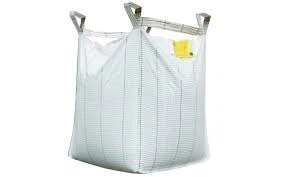
Can anti - static bulk bags be used for transporting liquids?
As a supplier of Anti - static Bulk Bags, I often get asked about the versatility of our products, especially when it comes to transporting liquids. In this blog, I'll explore whether anti - static bulk bags can be used for liquid transportation, delving into the science, advantages, limitations, and best practices.
The Science Behind Anti - static Bulk Bags
Anti - static bulk bags are designed to prevent the build - up and discharge of static electricity. Static electricity can be a significant hazard in industries where flammable or combustible materials are present. When two materials come into contact and then separate, electrons can transfer between them, creating an electrostatic charge. If this charge builds up and discharges, it can cause sparks, which may ignite flammable vapors or dust.
Anti - static bulk bags achieve their function through various means. Some are made from materials that have inherently low static - generating properties. Others are treated with anti - static agents that help to dissipate the static charge safely. These bags are commonly used in industries such as chemicals, pharmaceuticals, and food processing, where static - related hazards are a concern.
Can They Be Used for Liquid Transportation?
The short answer is yes, anti - static bulk bags can be used for transporting liquids, but with certain considerations.
Advantages
- Safety: One of the primary advantages of using anti - static bulk bags for liquid transportation is safety. In industries where the liquid being transported is flammable or combustible, the anti - static properties of the bag can prevent static sparks, reducing the risk of fire or explosion. For example, in the petroleum industry, transporting volatile liquids in anti - static bulk bags can significantly enhance safety during handling and transportation.
- Cost - effectiveness: Anti - static bulk bags are generally more cost - effective than traditional rigid containers for liquid transportation. They are lighter in weight, which reduces transportation costs. Additionally, they take up less storage space when not in use, as they can be folded flat.
- Flexibility: These bags are highly flexible and can be easily customized to fit different liquid volumes and transportation requirements. They can be designed with various filling and discharging options, such as spouts or valves, making them suitable for a wide range of liquid products.
Limitations
- Leakage risk: One of the main challenges of using anti - static bulk bags for liquid transportation is the risk of leakage. Unlike rigid containers, bags are more prone to punctures and tears, which can lead to liquid leakage. To mitigate this risk, high - quality materials and proper manufacturing techniques must be used. Additionally, the bags should be carefully inspected before and after use.
- Compatibility: The liquid being transported must be compatible with the material of the anti - static bulk bag. Some liquids may react with the bag material, causing degradation or contamination. For example, certain chemicals may dissolve or corrode the bag, leading to structural failure. Therefore, it is crucial to select the appropriate bag material based on the properties of the liquid.
- Pressure and stability: Liquid transportation often involves pressure changes, especially during filling, discharging, and transportation. Anti - static bulk bags may not be as structurally stable as rigid containers under high - pressure conditions. This can lead to issues such as bag deformation or bursting. Special designs and reinforcements may be required to ensure the bag can withstand the pressure.
Best Practices for Using Anti - static Bulk Bags for Liquid Transportation
- Material selection: Choose a bag material that is compatible with the liquid being transported. For example, if transporting food - grade liquids, a Food Grade Bulk Bag made from food - safe materials should be used. If dealing with highly conductive liquids, a Conductive Bulk Bag may be more appropriate.
- Quality assurance: Ensure that the anti - static bulk bags are manufactured to high standards. Look for bags that have been tested for anti - static properties, strength, and leakage resistance. Certifications such as ISO 9001 can provide assurance of quality.
- Proper handling and storage: Train your staff on proper handling and storage procedures for anti - static bulk bags. Avoid rough handling that could cause punctures or tears. Store the bags in a dry, clean environment away from sharp objects and direct sunlight.
- Inspection and maintenance: Regularly inspect the bags for signs of damage, such as holes, tears, or wear. Replace any damaged bags immediately. Also, ensure that the filling and discharging equipment is in good working condition to prevent spills and leaks.
Case Studies
Let's take a look at some real - world examples of using anti - static bulk bags for liquid transportation.
- Chemical Industry: A chemical company needed to transport a flammable liquid from its manufacturing plant to a customer. They decided to use anti - static bulk bags instead of traditional drums. By doing so, they reduced transportation costs by 30% due to the lighter weight of the bags. The anti - static properties of the bags also provided an extra layer of safety, ensuring that the liquid was transported without any static - related incidents.
- Food Industry: A food processing company was looking for a more cost - effective and flexible solution for transporting liquid food products. They chose to use Food Grade Bulk Bags with anti - static properties. The bags were easy to fill and discharge, and they maintained the quality of the liquid food during transportation. The company was able to increase its production capacity by using these bags, as they could be quickly replaced and reused.
Conclusion
In conclusion, anti - static bulk bags can be a viable option for transporting liquids, offering safety, cost - effectiveness, and flexibility. However, it is essential to consider the limitations and follow best practices to ensure successful liquid transportation. If you are in the market for anti - static bulk bags for liquid transportation, we at Anti - static Bulk Bag supply a wide range of high - quality products. We can work with you to understand your specific requirements and provide customized solutions. If you're interested in learning more or discussing your procurement needs, feel free to reach out to us. We're eager to engage in a productive conversation and assist you in finding the best anti - static bulk bag solutions for your liquid transportation challenges.


References
- ASTM International. (20XX). Standard test methods for evaluating the antistatic properties of flexible intermediate bulk containers (FIBCs). ASTM DXXXX.
- ISO. (20XX). International standard for flexible intermediate bulk containers (FIBCs) - Safety requirements. ISO XXXX.
- Industry reports on the use of anti - static bulk bags in liquid transportation. [Publisher name], [Year].