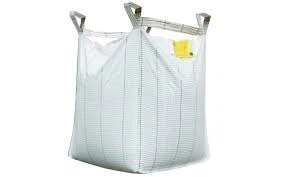
In the world of packaging, paper-plastic composite printed bags have emerged as a popular choice due to their unique combination of the strength of paper and the flexibility and moisture resistance of plastic. As a supplier of Paper-plastic Composite Printed Bags, one question that frequently arises from our customers is: "Are paper-plastic composite printed bags resistant to tearing?" In this blog post, we will delve into the factors that determine the tear resistance of these bags, explore their performance in various scenarios, and provide insights into how they can meet your packaging needs.

Understanding Paper-plastic Composite Printed Bags
Paper-plastic composite printed bags are made by combining layers of paper and plastic materials. The paper layer provides a natural and eco - friendly appearance, while the plastic layer offers protection against moisture, grease, and other contaminants. These bags are commonly used in a wide range of industries, including food, agriculture, chemicals, and consumer goods.
The manufacturing process of paper - plastic composite printed bags involves laminating the paper and plastic layers together using adhesives or heat. This creates a strong bond between the two materials, enhancing the overall strength and durability of the bag. Additionally, the bags can be printed with high - quality graphics and branding, making them an attractive option for product packaging.
Factors Affecting Tear Resistance
Material Quality
The quality of the paper and plastic materials used in the composite bag has a significant impact on its tear resistance. High - grade paper with a high tensile strength and good fiber structure will be more resistant to tearing. Similarly, a high - quality plastic film with excellent elongation and puncture resistance will contribute to the overall tear resistance of the bag.
For example, kraft paper is a popular choice for the paper layer in paper - plastic composite bags due to its high strength and durability. It is made from wood pulp that has been processed to retain its natural fibers, which gives it excellent tear resistance. On the other hand, polyethylene (PE) is a commonly used plastic film in these bags because of its flexibility, moisture resistance, and good tear strength.
Layer Thickness
The thickness of the paper and plastic layers also plays a crucial role in determining the tear resistance of the bag. Generally, thicker layers will provide greater tear resistance. However, it is important to find a balance between thickness and cost, as thicker materials can increase the production cost of the bag.
Our company offers a range of paper - plastic composite printed bags with different layer thicknesses to meet the specific requirements of our customers. For applications that require high tear resistance, such as packaging heavy or sharp - edged products, we recommend using bags with thicker layers.
Lamination Process
The lamination process used to bond the paper and plastic layers together can affect the tear resistance of the bag. A proper lamination process ensures a strong and uniform bond between the two materials, preventing delamination and enhancing tear resistance.
At our manufacturing facility, we use advanced lamination technology to ensure a high - quality bond between the paper and plastic layers. This not only improves the tear resistance of the bags but also enhances their overall durability and performance.
Bag Design
The design of the paper - plastic composite printed bag can also influence its tear resistance. For example, bags with reinforced seams and edges are more resistant to tearing. Additionally, the shape and size of the bag can affect its tear resistance, as bags with sharp corners or irregular shapes may be more prone to tearing.
We offer a variety of bag designs, including Lined Paper - plastic Composite Packaging Bag and Paper - plastic Composite M - fold Valve Bag. These designs are carefully engineered to provide optimal tear resistance and functionality for different applications.
Testing the Tear Resistance of Paper - plastic Composite Printed Bags
To ensure the quality and tear resistance of our paper - plastic composite printed bags, we conduct a series of tests. One of the most common tests is the Elmendorf tear test, which measures the force required to propagate a tear in the bag material.
In this test, a sample of the bag material is clamped in a testing machine, and a pendulum is used to tear the sample. The force required to tear the sample is measured and recorded. The higher the force, the greater the tear resistance of the material.
We also conduct real - world testing of our bags by simulating different handling and transportation conditions. This helps us to identify any potential weaknesses in the bag design or material and make necessary improvements.
Performance in Different Applications
Food Packaging
In the food industry, paper - plastic composite printed bags are widely used for packaging a variety of products, such as snacks, cereals, and frozen foods. These bags need to be resistant to tearing to ensure the integrity of the product during storage and transportation.
Our paper - plastic composite printed bags for food packaging are designed to meet strict food safety standards and provide excellent tear resistance. The plastic layer provides a barrier against moisture and oxygen, while the paper layer gives the bag a natural and appealing appearance.
Chemical Packaging
For chemical products, paper - plastic composite printed bags need to be resistant to tearing and chemical corrosion. The plastic layer in these bags acts as a barrier against chemicals, while the paper layer provides strength and protection.
We offer Paper - plastic Composite M - fold Valve Bag for chemical packaging, which are designed to withstand the harsh conditions associated with chemical storage and transportation. These bags are tested to ensure their tear resistance and chemical compatibility.
Agricultural Packaging
In the agricultural industry, paper - plastic composite printed bags are used for packaging fertilizers, seeds, and animal feed. These bags need to be strong and tear - resistant to withstand the rough handling and outdoor storage conditions.
Our agricultural packaging bags are made from high - quality materials and are designed to provide excellent tear resistance. The bags can be customized with different sizes and printing options to meet the specific needs of our agricultural customers.
Conclusion
In conclusion, paper - plastic composite printed bags can be highly resistant to tearing when the right materials, manufacturing processes, and designs are used. As a supplier of these bags, we are committed to providing our customers with high - quality products that meet their specific requirements.
If you are looking for a reliable and tear - resistant packaging solution for your products, we invite you to contact us for a consultation. Our team of experts can help you choose the right paper - plastic composite printed bag for your application and provide you with competitive pricing and excellent customer service.
References
- ASTM International. (2017). Standard Test Method for Tear Resistance of Paper and Paperboard (Elmendorf Method). ASTM D689 - 17.
- Packaging Machinery Manufacturers Institute. (2019). Handbook of Packaging Machinery.