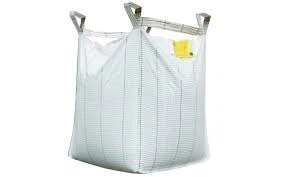
As a supplier of Paper - plastic Composite M - fold Valve Bags, I often encounter inquiries from customers regarding the puncture resistance of these bags. In this blog, I will delve into the topic, exploring the factors that contribute to their puncture resistance and how it impacts their use in various industries.
Understanding Paper - plastic Composite M - fold Valve Bags
Before we discuss puncture resistance, let's briefly understand what Paper - plastic Composite M - fold Valve Bags are. These bags are a type of packaging solution that combines the strength of paper with the flexibility and moisture - resistance of plastic. The "M - fold" design refers to the way the bag is folded, which provides a stable and efficient shape for filling and storage. The valve allows for easy filling of the bag with products such as powders, granules, and other dry materials.
You can learn more about our Paper - plastic Composite M - fold Valve Bags by visiting Paper - plastic Composite M - fold Valve Bag.
Factors Affecting Puncture Resistance
Material Composition
The primary factor influencing the puncture resistance of Paper - plastic Composite M - fold Valve Bags is the material composition. The paper layer provides a certain degree of stiffness and protection, while the plastic layer adds flexibility and durability. Different types of paper and plastic can be used, each with its own characteristics. For example, high - quality kraft paper is known for its strength and tear resistance, which can contribute to better puncture protection. On the other hand, the type of plastic film, such as polyethylene or polypropylene, also plays a crucial role. Thicker plastic films generally offer better puncture resistance, but they may also increase the cost and weight of the bag.
Manufacturing Process
The manufacturing process of these bags can significantly impact their puncture resistance. A well - executed lamination process ensures that the paper and plastic layers are firmly bonded together. Any weak points in the lamination can create areas where the bag is more susceptible to puncture. Additionally, the quality of the cutting and folding operations during bag production can affect the integrity of the bag's structure. Precise cutting and folding ensure that there are no sharp edges or loose ends that could potentially cause punctures.
Bag Design
The design of the Paper - plastic Composite M - fold Valve Bag also affects its puncture resistance. The M - fold design itself provides some structural stability, which can help distribute the force of a potential puncture over a larger area. However, the size and shape of the bag, as well as the location of the valve, can also influence its vulnerability to puncture. For example, a larger bag may be more likely to be punctured during handling or transportation, especially if it is not properly supported.
Testing Puncture Resistance
To accurately assess the puncture resistance of Paper - plastic Composite M - fold Valve Bags, various testing methods are available. One common method is the puncture test, where a sharp object is pushed through the bag at a controlled speed and force. The force required to puncture the bag is then measured. This test can be conducted on different parts of the bag to evaluate its overall puncture resistance.
Another important test is the drop test. In this test, bags filled with a specific amount of product are dropped from a certain height onto a hard surface. The bags are then inspected for any signs of puncture or damage. This test simulates real - world conditions during transportation and handling.
Applications and Puncture Resistance Requirements
Food Industry
In the food industry, Paper - plastic Composite M - fold Valve Bags are commonly used to package products such as flour, sugar, and spices. Puncture resistance is crucial in this application to prevent contamination and ensure the freshness of the product. A punctured bag can allow moisture, air, and insects to enter, which can spoil the food. Our bags are designed to meet the high - quality standards required by the food industry, providing reliable puncture resistance to protect the contents.
Chemical Industry
The chemical industry also relies on Paper - plastic Composite M - fold Valve Bags to package various chemicals, including fertilizers, pesticides, and industrial powders. These products often have sharp or abrasive particles, which can pose a challenge to the bag's puncture resistance. Our bags are engineered to withstand the harsh conditions associated with chemical products, ensuring safe and secure packaging.


Construction Industry
In the construction industry, these bags are used to package materials such as cement, sand, and gravel. The heavy and abrasive nature of these materials requires bags with excellent puncture resistance. Our Paper - plastic Composite M - fold Valve Bags are capable of withstanding the rough handling and heavy loads typically encountered in construction sites.
Comparison with Other Bag Types
When compared to other types of bags, such as Paper - plastic Composite Crepe Paper Sewn Bottom Bag and Paper - plastic Composite Square Bottom Flat Bag, Paper - plastic Composite M - fold Valve Bags generally offer better puncture resistance. The M - fold design and the combination of paper and plastic layers provide a more robust structure. However, the specific requirements of each application should be considered when choosing the most suitable bag type.
Conclusion
In conclusion, Paper - plastic Composite M - fold Valve Bags are indeed resistant to puncture, thanks to their material composition, manufacturing process, and design. Their puncture resistance makes them suitable for a wide range of industries, including food, chemical, and construction. As a supplier, we are committed to providing high - quality bags that meet the specific needs of our customers.
If you are interested in our Paper - plastic Composite M - fold Valve Bags or have any questions about their puncture resistance, please feel free to contact us for further discussion and procurement. We look forward to serving you and providing the best packaging solutions for your products.
References
- "Packaging Materials and Their Properties" by Packaging Institute of America
- "Testing Standards for Puncture Resistance of Packaging Bags" by International Packaging Testing Association