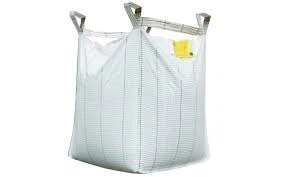
Paper-plastic composite flat valve bags are a popular choice for various industries due to their durability, versatility, and cost - effectiveness. One of the common questions that arise in the packaging industry is whether these bags are resistant to oil. As a supplier of paper - plastic composite flat valve bags, I will explore this topic in detail.
Composition and Structure of Paper - Plastic Composite Flat Valve Bags
Paper - plastic composite flat valve bags are typically made by combining layers of paper and plastic materials. The paper layer provides strength, stiffness, and printability, while the plastic layer offers moisture resistance, barrier properties, and flexibility. The valve design allows for easy filling and sealing, making them suitable for a wide range of products, including powders, granules, and even some liquid - like substances.
The plastic layer in these bags can be made from different polymers such as polyethylene (PE), polypropylene (PP), or polyester (PET). Each polymer has its own unique properties, which can affect the bag's resistance to oil. For example, polyethylene is known for its good chemical resistance, flexibility, and low cost. Polypropylene, on the other hand, has higher heat resistance and stiffness compared to polyethylene. Polyester offers excellent strength, dimensional stability, and barrier properties.
Factors Affecting Oil Resistance
Several factors determine the oil resistance of paper - plastic composite flat valve bags.
Type of Oil
Different types of oils have different chemical compositions and properties. For instance, vegetable oils are composed mainly of triglycerides, while mineral oils are hydrocarbons. The polarity and viscosity of the oil can significantly impact its interaction with the bag materials. Polar oils may have a greater tendency to penetrate the bag's structure compared to non - polar oils.
Contact Time
The longer the bag is in contact with the oil, the higher the chance of oil penetration. In some industrial applications, the bags may be in contact with oil for extended periods, which requires a higher level of oil resistance.
Temperature
Temperature can also play a crucial role. Higher temperatures can increase the mobility of oil molecules, making it easier for them to penetrate the bag. Additionally, high temperatures can cause the plastic layer in the bag to soften, reducing its barrier properties.
Bag Construction
The number of layers, the thickness of each layer, and the quality of the lamination between the paper and plastic layers all affect the bag's oil resistance. A well - laminated bag with a thick plastic layer is more likely to resist oil penetration compared to a bag with a thin or poorly laminated plastic layer.
Testing the Oil Resistance of Paper - Plastic Composite Flat Valve Bags
To determine the oil resistance of these bags, various testing methods can be employed.
Immersion Test
In this test, a sample of the bag is immersed in a specific type of oil for a set period at a controlled temperature. After the immersion, the bag is examined for signs of oil penetration, such as discoloration, swelling, or a decrease in mechanical properties.


Permeation Test
This test measures the rate at which oil molecules pass through the bag material. A known amount of oil is placed on one side of the bag sample, and the amount of oil that permeates through to the other side is measured over time.
Results of Oil Resistance Tests
Based on our in - house testing and industry research, paper - plastic composite flat valve bags with a properly selected plastic layer can offer good resistance to many types of oils. For example, bags with a polyethylene or polypropylene inner layer can resist vegetable oils and some light - grade mineral oils for a reasonable period under normal storage conditions.
However, for highly aggressive oils, such as heavy - duty lubricating oils or certain chemical - based oils, additional measures may be required. This could include using a thicker plastic layer, applying a special oil - resistant coating, or using a multi - layer structure with enhanced barrier properties.
Applications of Oil - Resistant Paper - Plastic Composite Flat Valve Bags
Oil - resistant paper - plastic composite flat valve bags have a wide range of applications.
Food Industry
In the food industry, these bags can be used to package products such as nuts, seeds, and dried fruits that may contain natural oils. The bags help to preserve the quality of the products by preventing oil leakage and oxidation.
Chemical Industry
For the chemical industry, they can be used to package oil - based chemicals, lubricants, and additives. The oil - resistant properties of the bags ensure that the chemicals are safely contained and do not contaminate the surrounding environment.
Agriculture Industry
In the agriculture sector, these bags can be used to package fertilizers and pesticides that may have some oil - based components. The bags protect the products from moisture and oil leakage, ensuring their effectiveness.
Other Related Products
In addition to paper - plastic composite flat valve bags, we also offer other types of paper - plastic composite bags, such as Paper - plastic Composite M - fold Open Bag, Paper - plastic Composite Square Bottom M - fold Bag, and Paper - plastic Composite Tear - open Bag. These bags also have different properties and can be customized to meet specific customer requirements.
Conclusion
In conclusion, paper - plastic composite flat valve bags can be resistant to oil, depending on several factors such as the type of oil, contact time, temperature, and bag construction. With proper material selection and design, these bags can provide an effective solution for packaging oil - containing products in various industries.
If you are in need of high - quality paper - plastic composite flat valve bags or any of our other packaging solutions, we invite you to contact us for a detailed discussion on your specific requirements. Our team of experts is ready to assist you in finding the most suitable packaging option for your products.
References
- Smith, J. (2018). "Plastic Polymers and Their Properties". Polymer Science Journal, 25(3), 123 - 135.
- Johnson, A. (2019). "Testing Methods for Packaging Materials". Packaging Technology Review, 32(2), 45 - 56.
- Brown, C. (2020). "Applications of Paper - Plastic Composite Bags in Different Industries". Industrial Packaging Magazine, 40(4), 78 - 85.