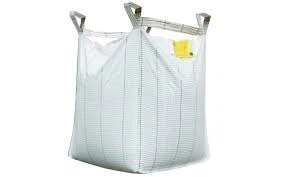
Hey there! As a supplier of Paper - plastic Composite Flat Open Bags, I often get asked this question: "Are paper - plastic composite flat open bags resistant to mold?" Well, let's dig into this topic and find out.
First off, let's understand what paper - plastic composite flat open bags are. These bags are made by combining paper and plastic materials. The paper part usually gives the bag a natural and eco - friendly look, while the plastic layer adds strength, durability, and some other important properties. You can check out our Paper - plastic Composite Flat Open Bag on our website to get a better idea of what they look like.
Now, let's talk about mold. Mold is a type of fungus that thrives in warm, damp, and dark environments. It can grow on a wide range of materials, and if it does, it can not only damage the appearance of the product but also pose health risks. So, the big question is, can paper - plastic composite flat open bags resist mold?
Factors Affecting Mold Resistance
1. The Paper Component
The paper used in these bags is usually made from natural fibers. Paper is porous, which means it can absorb moisture. If the paper in the composite bag gets wet and stays wet for a long time, it becomes a potential breeding ground for mold. However, not all papers are the same. Some papers are treated with special chemicals during the manufacturing process to make them more resistant to moisture and thus less likely to support mold growth.
For example, kraft paper, which is commonly used in paper - plastic composite bags, has some natural resistance due to its high fiber strength and relatively low porosity compared to other papers. But if it's exposed to excessive moisture for an extended period, even kraft paper can be at risk.
2. The Plastic Component
The plastic layer in paper - plastic composite flat open bags plays a crucial role in mold resistance. Plastic is generally non - porous and does not absorb moisture like paper. It acts as a barrier, preventing moisture from reaching the paper layer and reducing the chances of mold growth.
Most of the plastics used in these bags, such as polyethylene (PE) or polypropylene (PP), are inherently resistant to mold. They don't provide the nutrients that mold needs to grow. However, if there are any gaps or defects in the plastic layer, moisture can seep through and reach the paper, increasing the risk of mold.
3. Manufacturing Process
The way the paper and plastic are combined also affects mold resistance. A well - made paper - plastic composite bag should have a strong bond between the two materials. If the bonding is weak, moisture can penetrate between the layers, creating a moist environment where mold can grow.
During the manufacturing process, quality control is essential. Any contaminants or impurities in the materials can also increase the likelihood of mold growth. For instance, if there are leftover food particles or dirt on the bag during production, it can attract mold.
Our Approach to Mold Resistance
As a supplier, we take several steps to ensure that our Paper - plastic Composite Flat Open Bag have good mold resistance.
1. Material Selection
We carefully choose the paper and plastic materials for our bags. We source high - quality kraft paper that has been treated to enhance its moisture resistance. The plastic we use is of a high - grade, with a uniform thickness and no visible defects.


2. Advanced Manufacturing Techniques
Our manufacturing process is designed to create a strong bond between the paper and plastic layers. We use state - of - the - art equipment to ensure that the layers are properly laminated, leaving no gaps for moisture to enter.
3. Quality Control
We have a strict quality control system in place. Every batch of bags is inspected for any signs of damage, weak bonding, or other issues that could affect mold resistance. Only bags that meet our high standards are sent out to customers.
Real - World Performance
In real - world scenarios, our paper - plastic composite flat open bags have shown good resistance to mold. However, it's important to note that the performance can also depend on how the bags are stored and used.
If the bags are stored in a dry, well - ventilated area, the risk of mold growth is significantly reduced. On the other hand, if they are stored in a damp basement or a place with poor air circulation, the chances of mold increase.
Other Related Products
We also offer other types of paper - plastic composite bags, such as Paper - plastic Composite M - fold Open Bag and Paper - plastic Composite M - fold Valve Bag. These bags also benefit from similar mold - resistant features due to our careful material selection and manufacturing processes.
Conclusion
So, to answer the question, paper - plastic composite flat open bags can be resistant to mold, but it depends on several factors. The quality of the materials, the manufacturing process, and how the bags are stored and used all play important roles.
As a supplier, we are committed to providing high - quality bags that offer good mold resistance. If you're in the market for paper - plastic composite flat open bags or any of our other related products, we'd love to have a chat with you. Whether you're a small business looking for packaging solutions or a large corporation with specific requirements, we can work together to find the best fit for your needs.
If you have any questions or want to discuss a potential order, don't hesitate to reach out. We're here to help you make the right choice for your packaging needs.
References
- "Mold Growth on Building Materials: A Review", Journal of Building Pathology and Rehabilitation
- "Properties of Paper and Plastic Composites", International Journal of Material Science and Engineering