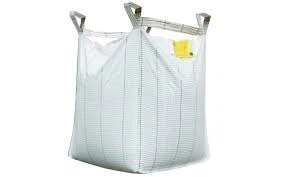
As a supplier of Food Grade Bulk Bags, I often get asked the question: "Are food grade bulk bags puncture-resistant?" This is a crucial query, especially when considering the safety and integrity of food products during storage and transportation. In this blog, I'll delve into the topic, exploring the puncture resistance of food grade bulk bags, the factors that influence it, and how it impacts the food industry.
The Importance of Puncture Resistance in Food Grade Bulk Bags
Food grade bulk bags, also known as FIBCs (Flexible Intermediate Bulk Containers), are widely used in the food industry to store and transport a variety of dry food products, such as grains, flour, sugar, and coffee beans. These bags must meet strict safety and quality standards to ensure that the food they contain remains uncontaminated and in good condition. Puncture resistance is one of the key properties that contribute to the overall performance of food grade bulk bags.
A puncture in a bulk bag can lead to several serious issues. Firstly, it can allow contaminants, such as dust, insects, or moisture, to enter the bag, compromising the quality and safety of the food. Secondly, it can cause the contents to spill out, leading to product loss and potential safety hazards in the workplace. Finally, a punctured bag may not be able to withstand the weight and pressure of the contents, increasing the risk of bag failure during handling and transportation.
Factors Affecting the Puncture Resistance of Food Grade Bulk Bags
Several factors can influence the puncture resistance of food grade bulk bags. Understanding these factors can help food manufacturers and suppliers choose the right type of bag for their specific needs.
Material Quality
The quality of the material used to make the bulk bag is one of the most important factors affecting its puncture resistance. High-quality materials, such as woven polypropylene, are typically more resistant to punctures than lower-quality alternatives. Woven polypropylene is a strong and durable material that can withstand a certain amount of abrasion and impact without tearing or puncturing.
Bag Construction
The construction of the bulk bag also plays a significant role in its puncture resistance. Bags that are well-constructed with reinforced seams and edges are less likely to puncture than those with weak or poorly sewn seams. Additionally, some food grade bulk bags are designed with additional layers or coatings to enhance their puncture resistance.
Handling and Storage Conditions
The way the bulk bags are handled and stored can also affect their puncture resistance. Rough handling, such as dropping or dragging the bags, can increase the risk of punctures. Similarly, storing the bags in a harsh environment, such as a warehouse with sharp objects or rough surfaces, can also cause damage to the bags.
Assessing the Puncture Resistance of Food Grade Bulk Bags
To ensure that food grade bulk bags meet the required puncture resistance standards, they are typically tested using various methods. One common test is the puncture resistance test, which measures the force required to puncture the bag using a sharp object. The results of this test can help determine the bag's ability to withstand punctures during normal use.
Another important test is the drop test, which simulates the impact of the bag being dropped from a certain height. This test can help evaluate the bag's ability to withstand sudden shocks and impacts without puncturing or tearing.
Puncture-Resistant Food Grade Bulk Bags in the Market
In the market, there are several types of food grade bulk bags available that offer different levels of puncture resistance. Some bags are specifically designed to be highly puncture-resistant, making them suitable for use in applications where the risk of punctures is high.
For example, Anti-static Bulk Bag are often used in industries where static electricity is a concern. These bags are made with special materials that prevent the buildup of static charges, reducing the risk of sparks and fires. In addition to their anti-static properties, many anti-static bulk bags also offer good puncture resistance, making them a reliable choice for storing and transporting food products.
Food Grade Bulk Bag are designed to meet the strict safety and quality standards of the food industry. These bags are made with food-grade materials that are safe for contact with food products. Many food grade bulk bags are also engineered to be puncture-resistant, ensuring that the food remains protected during storage and transportation.
Conductive Bulk Bag are another type of bulk bag that offers good puncture resistance. These bags are made with conductive materials that allow static electricity to flow safely to the ground, preventing the buildup of static charges. Conductive bulk bags are often used in industries where the risk of static electricity is high, such as the chemical and pharmaceutical industries.
Choosing the Right Puncture-Resistant Food Grade Bulk Bag
When choosing a puncture-resistant food grade bulk bag, it's important to consider several factors, including the type of food product being stored or transported, the handling and storage conditions, and the required level of puncture resistance.


For food products that are sensitive to contamination or damage, such as grains and flour, it's important to choose a bag that offers a high level of puncture resistance. Bags with reinforced seams and edges, as well as additional layers or coatings, can provide extra protection against punctures.
In addition, it's important to consider the handling and storage conditions of the bags. If the bags will be handled roughly or stored in a harsh environment, it's advisable to choose a bag that is more durable and puncture-resistant.
Conclusion
In conclusion, puncture resistance is an important property of food grade bulk bags. A puncture-resistant bag can help ensure the safety and integrity of food products during storage and transportation, reducing the risk of contamination, product loss, and safety hazards. By understanding the factors that affect the puncture resistance of food grade bulk bags and choosing the right type of bag for their specific needs, food manufacturers and suppliers can ensure that their products are well-protected.
If you're in the market for high-quality, puncture-resistant food grade bulk bags, I invite you to contact us for more information. We offer a wide range of Food Grade Bulk Bag that are designed to meet the strictest safety and quality standards. Our team of experts can help you choose the right bag for your specific needs and provide you with competitive pricing and excellent customer service.
References
- ASTM International. (20XX). Standard Test Method for Puncture Resistance of Geotextiles. ASTM D4833.
- International Safety Equipment Association. (20XX). Guidelines for the Selection, Use, and Maintenance of Flexible Intermediate Bulk Containers (FIBCs).