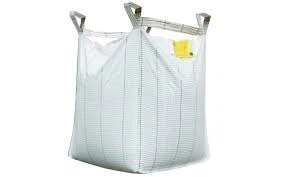
When it comes to transporting and storing glass products, choosing the right packaging solution is crucial. One option that often comes up in discussions is the Bottom Lift Bulk Bag. But are these bags really suitable for glass products? As a supplier of Bottom Lift Bulk Bags, I've had my fair share of experiences and insights on this matter.
Let's start with what exactly Bottom Lift Bulk Bags are. Unlike the Top Lift Bulk Bag, which is lifted from the top, Bottom Lift Bulk Bags are designed to be lifted from the bottom. This method of lifting offers several advantages, some of which can be particularly beneficial for glass products.
First off, the distribution of weight. When you lift a bulk bag from the bottom, the weight of the contents – in this case, glass products – is more evenly spread across the bag. Glass is a fragile material, and uneven weight distribution can lead to pressure points that could potentially crack or break the glass. With a Bottom Lift Bulk Bag, the reduced stress on individual pieces of glass due to better weight distribution means a lower risk of damage during lifting and transportation.
Another advantage is the stability during handling. Since the lifting occurs from the bottom, the bag remains more stable compared to top-lifted bags. Top-lifted bags can swing or sway, especially if the load inside is not perfectly balanced. This movement can cause the glass products to shift and collide with each other. In contrast, bottom lifting provides a more secure and controlled lift, minimizing the chances of the glass knocking against one another.
But it's not all smooth sailing. There are also some challenges to consider when using Bottom Lift Bulk Bags for glass products. For starters, the design of the bag and the lifting equipment needs to be carefully coordinated. The bottom-lifting mechanism must be gentle enough not to cause sudden jolts or impacts that could damage the glass. Any jerks during the lifting process can spell disaster for delicate glass items.
Also, the interior of the bag plays a significant role. Glass is prone to scratching, and a rough or abrasive inner surface of the bag can cause cosmetic damage to the glass products. Suppliers need to ensure that the bags are made with a soft, smooth lining to protect the glass from scratches. Additionally, proper padding and cushioning can be added inside the bag to further safeguard the glass during transit.
The environmental conditions during storage and transportation are another factor. Glass products can be affected by humidity and temperature changes. Bottom Lift Bulk Bags should be able to offer some degree of protection against these environmental elements. For instance, if the bags are made from materials that can resist moisture, it can prevent the glass from fogging up or developing corrosion, especially if the glass has metal components.
In terms of cost, Bottom Lift Bulk Bags might be a bit more expensive than regular packaging options. However, when you consider the potential savings from reduced damage to glass products during transportation and storage, the investment can be well worth it. Fewer damaged products mean less waste, fewer returns, and ultimately, a better bottom line for your business.
Let's talk about the flexibility of Bottom Lift Bulk Bags. These bags are available in various sizes and capacities, which means you can choose the one that best suits the quantity and size of your glass products. Whether you're shipping small glass vials or large glass panels, there's likely a Bottom Lift Bulk Bag that can meet your needs.


Another aspect to look at is the reusability factor. A well-made Bottom Lift Bulk Bag can be reused multiple times. This is not only cost - effective but also environmentally friendly. After each use, the bag can be inspected for any signs of wear and tear, and if it's still in good condition, it can be used again for transporting more glass products.
From a safety perspective, Bottom Lift Bulk Bags can be a great option. They are designed to be lifted by proper equipment, which reduces the need for manual handling. Manual handling of glass products can be extremely dangerous, as it increases the risk of cuts and injuries. By using a Bottom Lift Bulk Bag and the appropriate lifting machinery, you can create a safer working environment for your employees.
However, it's important to note that proper training is required for the operators of the lifting equipment. They need to understand how to handle the Bottom Lift Bulk Bags correctly to ensure the safety of the glass products and themselves. Incorrect handling can lead to accidents and damage to the glass.
In conclusion, Bottom Lift Bulk Bags can be a suitable option for glass products, but they come with their own set of pros and cons. The benefits of better weight distribution, stability, and the potential for reduced damage make them an attractive choice. However, factors like proper design, interior lining, environmental protection, and operator training need to be taken into account.
If you're in the business of dealing with glass products and are considering using Bottom Lift Bulk Bags, I'd be more than happy to discuss your specific requirements. Whether it's about the size, the material, or the additional features you need for your glass products, I can help you find the perfect solution. Don't hesitate to reach out and start a conversation about how Bottom Lift Bulk Bags can work for you.
References
- Industry reports on bulk bag usage for fragile products
- Manufacturer's specifications for Bottom Lift Bulk Bags
- Case studies on the transportation of glass products using different packaging methods