

Optimizing Cement Packaging: Choosing Between FIBCs and Multi-Wall Paper Bags
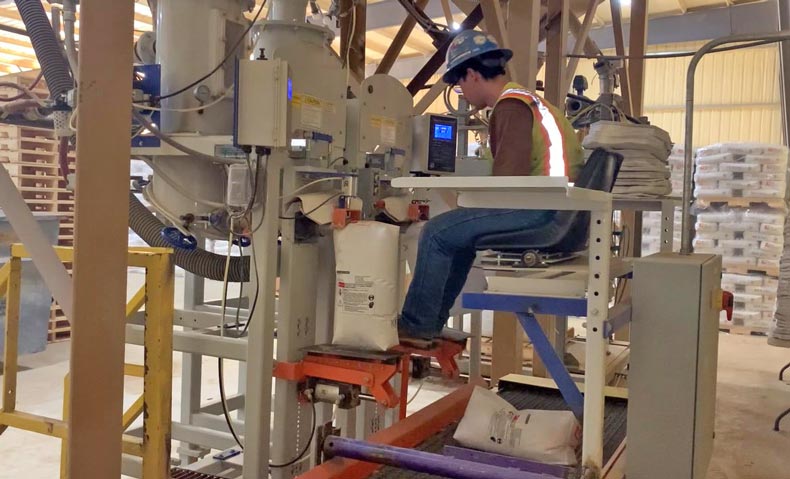
Billions of tons of cement and related building products are packaged annually worldwide, primarily using two key solutions: the Multi-Wall Paper Valve Bag and the Flexible Intermediate Bulk Container (FIBC), commonly known as a bulk bag. Selecting the appropriate packaging is crucial for product integrity and supply chain efficiency. This guide outlines key considerations for choosing the right type for your building materials.
Multi-Wall Paper Valve Bags for Cement Packaging
Paper valve bags account for a significant portion of global cement packaging. The predominant style is the Pasted Valve Stepped End (PVSE) bag, valued for its efficiency and secure closure.
Common Applications: These bags are ideal for dry, powdered products such as:
Portland Cement
Masonry & Mortar Mixes
Concrete Mix
Stucco
Tile Adhesives and Grouts

Filling Process: Bags are filled via a horizontal spout using air pressure, an impeller, or an auger system. The filling valve, located in the top corner, self-seals upon discharge due to internal product pressure, preventing leakage.
Design & Advantages: To ensure proper packing of aerated cement, the paper plies are often perforated to dissipate entrained air. Most bags incorporate a buried polyethylene film layer for essential moisture protection. The construction yields a uniform, squared bag that stacks securely on pallets and offers excellent printability for branding and product identification on side or end panels.


