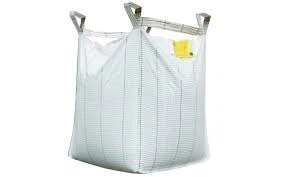
Hey there! I'm a supplier of Paper-plastic Composite Printed Bags, and today I wanna chat about the impact of temperature changes on these bags.
How Temperature Changes Affect the Structure of Paper - Plastic Composite Printed Bags
Let's start with the basics. Paper - plastic composite printed bags are made by combining paper and plastic materials. The paper provides a certain degree of strength and a good surface for printing, while the plastic layer offers moisture resistance and additional strength.
When the temperature rises, the plastic component in the bag starts to expand. Plastic has a relatively high coefficient of thermal expansion. This means that as the temperature goes up, the plastic layer will try to increase in size. If the expansion is not uniform, it can cause stress within the bag. For example, in a Paper-plastic Composite Printed Bag, the plastic layer might expand more than the paper layer. This can lead to the delamination of the paper and plastic layers. Delamination is a big problem because it weakens the overall structure of the bag. The bag may start to tear more easily, and the printed design on the paper surface can also be affected.
On the other hand, when the temperature drops, the plastic layer contracts. Just like expansion, contraction can also cause stress. If the temperature drops too rapidly, the plastic may become brittle. A brittle plastic layer is more likely to crack. Once the plastic layer cracks, the bag loses its moisture - resistant properties. Moisture can then seep into the bag, damaging the contents inside. For instance, if the bag is used to package food products, the moisture can cause the food to spoil.
Impact on Printing Quality
Temperature changes can also have a significant impact on the printing quality of paper - plastic composite printed bags. When it's hot, the ink used for printing can start to soften. Softened ink may smear or run, making the printed text and images look blurry. This is especially a problem for high - resolution prints. If you have a bag with a detailed logo or a lot of text, the smearing can make the bag look unprofessional.
In cold temperatures, the ink can become more viscous. Viscous ink doesn't spread evenly on the paper surface. This can result in uneven printing, with some areas being darker or lighter than others. The colors may also appear duller in cold conditions. So, whether it's hot or cold, temperature changes can mess up the visual appeal of the printed bags.
Effects on the Bag's Sealing
Sealing is an important aspect of paper - plastic composite printed bags. Most of these bags are sealed using heat - sealing techniques. Temperature changes can affect the quality of the seal.
In high - temperature environments, the seal may become too soft. A soft seal is not strong enough to keep the bag closed properly. The contents of the bag may leak out, which is a major issue, especially for products like powders or liquids.
In cold temperatures, the seal may become too brittle. A brittle seal can crack easily, again leading to leakage. For example, if you have a Lined Paper - plastic Composite Packaging Bag that is supposed to keep the contents dry, a cracked seal can allow moisture to enter.
Impact on the Bag's Shelf Life
The overall shelf life of paper - plastic composite printed bags is also affected by temperature changes. Bags that are exposed to extreme temperatures for long periods will deteriorate faster.
In a hot and humid environment, the paper part of the bag can start to rot. The plastic layer may also degrade due to the heat and the presence of moisture. This shortens the bag's ability to protect the contents.
In a cold environment, the brittleness of the plastic and the possible cracking can also reduce the bag's lifespan. If the bag is damaged, it can't be used for its intended purpose, and you'll have to replace it more often.


How to Mitigate the Impact of Temperature Changes
As a supplier, I've learned some ways to help mitigate the impact of temperature changes on our paper - plastic composite printed bags.
First, we use high - quality materials. By choosing plastics with a lower coefficient of thermal expansion, we can reduce the stress caused by temperature changes. We also use inks that are more resistant to temperature variations.
Second, we recommend proper storage conditions to our customers. If the bags are stored in a temperature - controlled environment, the impact of temperature changes can be minimized. For example, storing the bags in a warehouse with a stable temperature between 20 - 25 degrees Celsius can help maintain the bag's quality.
Third, we offer different types of bags for different applications. For example, our Paper - plastic Composite M - fold Valve Bag is designed to be more durable and can withstand a wider range of temperature changes.
Conclusion
In conclusion, temperature changes can have a big impact on paper - plastic composite printed bags. From the structure and printing quality to the sealing and shelf life, every aspect of the bag can be affected. But by using high - quality materials, providing proper storage recommendations, and offering suitable bag types, we can reduce these negative impacts.
If you're in the market for paper - plastic composite printed bags, don't hesitate to reach out. We're here to help you find the best solution for your packaging needs. Whether you need a bag for food products, industrial items, or any other application, we've got you covered. Let's have a chat and see how we can work together to meet your requirements.
References
- Some research on the thermal properties of plastics and their impact on composite materials.
- Industry reports on the effects of temperature on packaging materials.