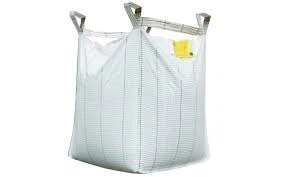
Hey there! As a supplier of Conductive Bulk Bags, I've seen firsthand the many benefits these bags bring to various industries. But like any product, they come with their own set of challenges. In this blog, I'll dive into what those challenges are and how we can address them.
Understanding Conductive Bulk Bags
First off, let's quickly go over what Conductive Bulk Bags are. These bags are specially designed to prevent the build - up of static electricity. They're made with conductive threads woven into the fabric, which allows the static charge to dissipate safely. This is super important when dealing with flammable or combustible materials, as static electricity can potentially cause sparks and lead to dangerous situations. You can learn more about them Conductive Bulk Bag.
Challenge 1: Cost
One of the most obvious challenges of using Conductive Bulk Bags is the cost. Compared to regular bulk bags, conductive ones are more expensive to produce. The conductive materials and the specialized manufacturing processes add to the overall cost. This can be a major deterrent for some businesses, especially those on a tight budget.
However, it's important to look at the long - term benefits. Using conductive bags can prevent costly accidents, such as fires or explosions. In industries where safety is paramount, the investment in conductive bulk bags is well worth it. For example, in the chemical or pharmaceutical industries, the potential losses from a static - related incident can far exceed the extra cost of using conductive bags.
Challenge 2: Maintenance and Inspection
Conductive Bulk Bags require regular maintenance and inspection to ensure they're functioning properly. Over time, the conductive threads in the bags can wear out or become damaged. If this happens, the bag may lose its ability to dissipate static electricity effectively.
Businesses need to have a proper maintenance schedule in place. This includes checking for any visible signs of damage, such as frayed threads or holes. They also need to test the conductivity of the bags periodically. This can be time - consuming and may require specialized equipment. But again, it's a necessary step to ensure the safety of the products being transported or stored.
Challenge 3: Compatibility with Other Materials
Another challenge is ensuring that the Conductive Bulk Bags are compatible with the materials they're used to store or transport. Some materials may react with the conductive components of the bags, which can affect the performance of the bags or even contaminate the product.
For example, certain chemicals may corrode the conductive threads, reducing their effectiveness. In the food industry, it's crucial to use bags that are Food Grade Bulk Bag and also conductive. Ensuring that the bag meets both the food safety standards and the conductivity requirements can be a challenge.


Challenge 4: Environmental Conditions
Environmental conditions can also pose a challenge to the use of Conductive Bulk Bags. High humidity, for instance, can affect the conductivity of the bags. Moisture can cause the conductive threads to oxidize, which may reduce their ability to dissipate static electricity.
On the other hand, extremely dry conditions can increase the risk of static electricity build - up. In such cases, additional measures may be needed to maintain the proper functioning of the bags. This could include using humidifiers or dehumidifiers in the storage or transportation areas.
Challenge 5: Limited Availability
Compared to regular bulk bags, Conductive Bulk Bags may have limited availability. Not all suppliers carry them, and the lead times for production and delivery can be longer. This can be a problem for businesses that need the bags urgently.
If you're in a rush to get conductive bulk bags, it's important to plan ahead and work with a reliable supplier. As a supplier myself, I always try to keep a certain stock of conductive bags on hand to meet the urgent needs of my customers.
Addressing the Challenges
Now that we've identified the challenges, let's talk about how we can address them.
- Cost: As mentioned earlier, look at the long - term benefits. Consider the potential savings from avoiding accidents. Also, some suppliers may offer volume discounts. If you're using a large number of bags, it's worth negotiating with your supplier to get a better price.
- Maintenance and Inspection: Train your staff on proper maintenance and inspection procedures. Provide them with the necessary tools and equipment. You can also work with a third - party service provider to handle the inspections if you don't have the in - house expertise.
- Compatibility: Before using a Conductive Bulk Bag with a particular material, conduct compatibility tests. Work with your supplier to ensure that the bag is suitable for your specific application. If you're in the food industry, make sure the bag meets all the relevant food safety standards.
- Environmental Conditions: Monitor the environmental conditions in the storage and transportation areas. Use climate control systems if necessary. This can help maintain the proper conductivity of the bags.
- Limited Availability: Build a good relationship with your supplier. Let them know your requirements in advance so they can plan their production accordingly. You can also consider having a backup supplier in case of any supply disruptions.
Conclusion
Using Conductive Bulk Bags comes with its fair share of challenges, but they're not insurmountable. By understanding the challenges and taking proactive steps to address them, businesses can safely and effectively use these bags.
If you're in the market for Conductive Bulk Bags or need more information about anti - static solutions, you can check out our Anti - static Bulk Bag options. We're here to help you find the right solution for your needs. If you have any questions or want to discuss a potential purchase, don't hesitate to reach out. We're ready to have a chat and see how we can assist you in your procurement process.
References
- Industry standards for conductive bulk bags
- Research papers on static electricity prevention in industrial packaging
- Case studies of static - related incidents in industries using bulk bags