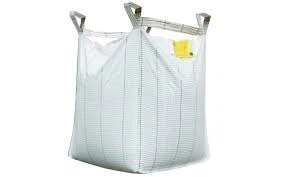
Transporting food grade bulk bags without damage is a critical concern for both suppliers and customers in the food industry. As a supplier of Food Grade Bulk Bag, I understand the importance of ensuring that these bags reach their destination in perfect condition. In this blog post, I will share some valuable insights and practical tips on how to achieve this goal.
Understanding the Characteristics of Food Grade Bulk Bags
Before delving into the transportation process, it is essential to understand the unique characteristics of food grade bulk bags. These bags are specifically designed to meet the strict hygiene and safety standards required for storing and transporting food products. They are typically made from high-quality, food-safe materials such as polyethylene or polypropylene, which are resistant to moisture, bacteria, and other contaminants.
Food grade bulk bags come in various sizes and capacities, ranging from small bags that can hold a few kilograms to large bags that can hold several tons of food products. They are also available in different designs, including standard bags, anti-static bags, and bags with special features such as liners or valves.
Preparing the Bulk Bags for Transportation
Proper preparation of the bulk bags is crucial to prevent damage during transportation. Here are some key steps to follow:
- Inspect the Bags: Before filling the bags, carefully inspect them for any signs of damage, such as holes, tears, or weak seams. If any defects are found, replace the bags immediately to avoid potential leaks or spills during transportation.
- Clean the Bags: Ensure that the bags are clean and free from any debris or contaminants. This can be done by wiping the bags with a clean, damp cloth or using a mild detergent if necessary.
- Fill the Bags Properly: When filling the bags, follow the manufacturer's guidelines regarding the maximum fill capacity and the recommended filling method. Overfilling the bags can cause them to burst or tear, while underfilling can result in the bags shifting or moving during transportation.
- Seal the Bags Securely: After filling the bags, seal them securely using the appropriate sealing method, such as heat sealing or tying with ropes. This will prevent the contents from spilling out and protect the bags from external contaminants.
Choosing the Right Transportation Method
The choice of transportation method depends on several factors, including the distance, the volume of the shipment, and the nature of the food products being transported. Here are some common transportation methods used for food grade bulk bags:
- Trucking: Trucking is a popular choice for transporting food grade bulk bags, especially for short to medium distances. Trucks offer flexibility in terms of delivery schedules and can be easily loaded and unloaded using forklifts or other equipment.
- Railway: Railway transportation is suitable for long-distance shipments of large volumes of food grade bulk bags. Railways offer a cost-effective and environmentally friendly option, but they may have limited access to certain locations and require additional handling and transfer of the bags.
- Shipping: Shipping is the preferred method for international shipments of food grade bulk bags. Shipping containers provide a secure and protected environment for the bags, and they can be easily transported by sea or air.
Securing the Bulk Bags during Transportation
Proper securing of the bulk bags during transportation is essential to prevent them from shifting, moving, or falling. Here are some tips on how to secure the bags:
- Use Straps or Nets: Straps or nets can be used to secure the bags to the transportation vehicle or container. Make sure the straps or nets are tight enough to prevent the bags from moving, but not so tight that they damage the bags.
- Stack the Bags Properly: When stacking the bags, make sure they are arranged in a stable and balanced manner. Avoid stacking the bags too high, as this can increase the risk of the stack collapsing during transportation.
- Use Cushioning Materials: Cushioning materials such as foam pads or air pillows can be used to protect the bags from impact and vibration during transportation. Place the cushioning materials between the bags and the sides of the transportation vehicle or container.
Protecting the Bulk Bags from Environmental Factors
Environmental factors such as moisture, temperature, and sunlight can have a significant impact on the quality and integrity of the food grade bulk bags. Here are some ways to protect the bags from these factors:


- Use Moisture Barriers: Moisture can cause the bags to become weak and brittle, leading to tears or leaks. To prevent this, use moisture barriers such as plastic liners or waterproof covers to protect the bags from moisture.
- Control the Temperature: Extreme temperatures can also affect the quality of the food products inside the bags. If necessary, use temperature-controlled transportation methods or storage facilities to maintain the appropriate temperature range.
- Protect from Sunlight: Sunlight can cause the bags to fade, weaken, and become more susceptible to damage. To protect the bags from sunlight, store them in a shaded area or use UV-resistant covers.
Handling the Bulk Bags at the Destination
Proper handling of the bulk bags at the destination is just as important as during transportation. Here are some tips on how to handle the bags safely:
- Use Appropriate Equipment: Use forklifts, pallet jacks, or other equipment designed for handling bulk bags to lift and move the bags. Make sure the equipment is in good working condition and operated by trained personnel.
- Unload the Bags Carefully: When unloading the bags, take care not to drop or throw them. Lower the bags gently to the ground or onto a pallet to prevent damage.
- Inspect the Bags Again: After unloading the bags, inspect them again for any signs of damage. If any defects are found, report them immediately to the supplier or the transportation company.
Conclusion
Transporting food grade bulk bags without damage requires careful planning, proper preparation, and attention to detail. By following the tips and guidelines outlined in this blog post, you can ensure that your bulk bags reach their destination in perfect condition, protecting the quality and safety of the food products they contain.
If you are interested in purchasing high-quality Food Grade Bulk Bag or Anti-static Bulk Bag, please feel free to contact us for more information. We are committed to providing our customers with the best products and services in the industry.