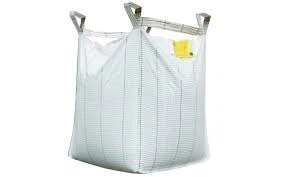
Hey there! I'm a supplier of Bottom Lift Bulk Bags, and I get a ton of questions about how to reinforce these Bulk Bags. So, I thought I'd write up this blog to share some tips that I've picked up over the years.
First, let's talk about why you might want to reinforce a Bottom Lift Bulk Bag. These bags are used to transport and store all sorts of stuff, from grains and powders to chemicals and minerals. They're designed to handle heavy loads, but sometimes you need to give them an extra boost to make sure they can handle the job. Maybe you're dealing with a particularly dense or abrasive material, or maybe you're transporting the bags over long distances or rough terrain. Whatever the reason, reinforcing your Bottom Lift Bulk Bags can help you avoid embarrassing spills and costly accidents.
So, how do you go about reinforcing a Bottom Lift Bulk Bag? Well, there are a few different methods you can use, depending on your specific needs and budget. Let's take a look at some of the most common options.
1. Use a Liner
One of the simplest and most effective ways to reinforce a Bottom Lift Bulk Bag is to use a liner. A liner is a thin layer of material that's placed inside the bag to protect it from the contents. Liners can be made from a variety of materials, including polyethylene, polypropylene, and nylon. They're available in different thicknesses and sizes, so you can choose the one that's right for your needs.
Using a liner can help you prevent a few different problems. For one thing, it can protect the bag from abrasion and puncture. If you're transporting a material that's particularly sharp or rough, it can cause the bag to wear out more quickly. A liner can act as a barrier between the material and the bag, reducing the risk of damage.
In addition, a liner can help you prevent leaks. If the material you're transporting is liquid or semi-liquid, it can seep through the bag and cause a mess. A liner can help you contain the material and prevent it from leaking out.
To use a liner, simply place it inside the bag before you fill it with the material. Make sure the liner is properly positioned and secured, so it doesn't move around or bunch up. You can use tape or adhesive to attach the liner to the bag, if necessary.
2. Add Reinforcement Straps
Another way to reinforce a Bottom Lift Bulk Bag is to add reinforcement straps. Reinforcement straps are thick, strong bands of material that are attached to the bag to provide additional support. They can be made from a variety of materials, including polyester, nylon, and polypropylene.
Reinforcement straps can be added to the bag in a few different ways. One common method is to sew the straps onto the bag using a heavy-duty sewing machine. Another method is to use adhesive or heat to bond the straps to the bag.
Adding reinforcement straps can help you increase the bag's strength and durability. The straps can help distribute the weight of the contents more evenly, reducing the risk of the bag tearing or breaking. They can also help you prevent the bag from sagging or bulging, which can make it easier to handle and transport.
To add reinforcement straps to a Bottom Lift Bulk Bag, you'll need to measure the bag and determine where you want to place the straps. You'll also need to choose the right type and size of strap for your needs. Once you have the straps and the necessary tools, you can start attaching them to the bag.
3. Use a Double Wall Design
A double wall design is another option for reinforcing a Bottom Lift Bulk Bag. A double wall bag is made up of two layers of material that are bonded together. The inner layer is typically made from a lightweight, flexible material, while the outer layer is made from a heavier, more durable material.
Using a double wall design can help you increase the bag's strength and durability. The two layers of material work together to provide additional support and protection. The inner layer can help prevent the contents from rubbing against the outer layer, reducing the risk of abrasion and puncture. The outer layer can help protect the bag from the elements and other external factors.
To use a double wall design, you'll need to choose a bag that's specifically designed for this purpose. You can find double wall bags in a variety of sizes and styles, so you can choose the one that's right for your needs.
4. Choose the Right Material
The material you choose for your Bottom Lift Bulk Bag can also have a big impact on its strength and durability. There are a few different materials to choose from, each with its own advantages and disadvantages.
- Polypropylene: Polypropylene is a popular choice for Bottom Lift Bulk Bags because it's strong, lightweight, and resistant to moisture and chemicals. It's also relatively inexpensive, making it a cost-effective option for many applications.
- Nylon: Nylon is another strong and durable material that's often used in Bottom Lift Bulk Bags. It's more expensive than polypropylene, but it's also more resistant to abrasion and puncture.
- Canvas: Canvas is a heavy-duty material that's often used in industrial applications. It's strong, durable, and resistant to wear and tear. However, it's also relatively heavy and expensive, so it may not be the best option for all applications.
When choosing a material for your Bottom Lift Bulk Bag, you'll need to consider the specific needs of your application. Think about the type of material you'll be transporting, the weight and volume of the contents, and the environmental conditions the bag will be exposed to.
5. Follow Proper Handling and Storage Procedures
Finally, it's important to follow proper handling and storage procedures to ensure the longevity of your Bottom Lift Bulk Bags. Here are a few tips to keep in mind:


- Avoid overloading the bags: Make sure you don't exceed the recommended weight limit for the bags. Overloading the bags can cause them to tear or break, which can lead to spills and accidents.
- Use the right equipment: When handling the bags, make sure you use the right equipment, such as forklifts or pallet jacks. Using the wrong equipment can damage the bags and increase the risk of accidents.
- Store the bags properly: When storing the bags, make sure you keep them in a dry, cool place. Avoid storing the bags in direct sunlight or in areas where they may be exposed to moisture or chemicals.
By following these tips, you can help ensure that your Bottom Lift Bulk Bags last as long as possible and perform their best.
In conclusion, there are several ways to reinforce a Bottom Lift Bulk Bag. You can use a liner, add reinforcement straps, use a double wall design, choose the right material, and follow proper handling and storage procedures. By taking these steps, you can increase the bag's strength and durability, reduce the risk of spills and accidents, and save time and money in the long run.
If you're interested in purchasing Bottom Lift Bulk Bags, or want to learn more about how to reinforce them, feel free to contact me. I'd be happy to help you find the right solution for your needs.