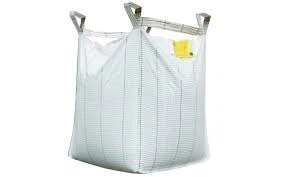
As a supplier of Food Grade Bulk Bags, I understand the critical importance of preventing contamination in these essential packaging solutions. Food grade bulk bags are designed to safely store and transport a wide range of food products, from grains and cereals to powders and liquids. Ensuring the integrity of these bags and the products they contain is not only a matter of regulatory compliance but also a commitment to consumer safety and satisfaction. In this blog post, I will share some practical tips on how to prevent contamination in food grade bulk bags.
1. Choose High - Quality Food Grade Bulk Bags
The first step in preventing contamination is to start with high - quality Food Grade Bulk Bags. These bags are specifically manufactured to meet strict food safety standards. They are made from materials that are non - toxic, odorless, and resistant to chemical reactions with food products. When selecting a supplier, look for those who adhere to international food safety regulations such as FDA (Food and Drug Administration) in the United States or EU food safety directives in Europe.
Our Food Grade Bulk Bag is produced with the highest quality materials and advanced manufacturing processes. We use food - safe polymers that are free from harmful substances, ensuring that your food products remain uncontaminated during storage and transportation.
2. Proper Storage Conditions
Proper storage of food grade bulk bags is crucial to prevent contamination. Bags should be stored in a clean, dry, and well - ventilated area. The storage facility should be free from pests, rodents, and other potential sources of contamination. Temperature and humidity control are also important factors. Extreme temperatures and high humidity can cause the bags to deteriorate, leading to potential contamination of the food products inside.
For example, storing bulk bags in a damp environment can promote the growth of mold and bacteria. On the other hand, excessive heat can cause the bag material to break down, releasing harmful chemicals into the food. It is recommended to store the bags on pallets to keep them off the floor and away from any potential moisture.
3. Handling Procedures
The way food grade bulk bags are handled can significantly impact the risk of contamination. Workers should be trained on proper handling techniques to minimize the chances of introducing contaminants. This includes wearing clean gloves and protective clothing when handling the bags.
When filling the bags, ensure that the filling equipment is clean and free from any residues of previous products. Cross - contamination can occur if the same equipment is used to fill different types of food products without proper cleaning in between. Similarly, when emptying the bags, use clean and dedicated equipment to avoid introducing foreign particles into the food.
4. Inspection and Testing
Regular inspection and testing of food grade bulk bags are essential to detect any signs of contamination or damage. Before use, visually inspect the bags for any holes, tears, or signs of wear and tear. Any damaged bags should be discarded immediately to prevent contamination of the food products.
In addition to visual inspection, it is also a good practice to conduct periodic testing of the bags. This can include testing for chemical composition, strength, and barrier properties. For example, testing the bag's ability to prevent the ingress of oxygen and moisture can help ensure the long - term quality of the food products inside.


5. Anti - static Measures
Static electricity can be a significant problem in the handling of food grade bulk bags. Static charges can attract dust and other particles, which can contaminate the food products. To prevent this, consider using Anti - static Bulk Bag. These bags are designed to dissipate static electricity, reducing the risk of particle attraction.
Our Anti - static Bulk Bag is engineered with special anti - static additives that effectively neutralize static charges. This helps to keep the bags clean and free from dust and other contaminants during handling and storage.
6. Seal Integrity
Maintaining the integrity of the bag's seal is vital to prevent contamination. A proper seal ensures that the food products are protected from external contaminants such as air, moisture, and pests. When closing the bags, use high - quality sealing methods such as heat sealing or zipper closures.
Regularly check the seals during storage and transportation to ensure they remain intact. If a seal is found to be damaged, take immediate steps to repair or replace the bag to prevent contamination.
7. Supplier and Customer Communication
Effective communication between the supplier and the customer is essential in preventing contamination. As a supplier, we should provide clear instructions on the proper use, storage, and handling of our food grade bulk bags. This includes information on cleaning procedures, recommended storage conditions, and any special requirements for different types of food products.
Customers, on the other hand, should provide feedback to the supplier if they encounter any issues with the bags or suspect contamination. This two - way communication helps to identify and address potential problems early, ensuring the continued safety and quality of the food products.
8. Traceability
Implementing a traceability system is an important aspect of preventing contamination. A traceability system allows you to track the origin, production, and distribution of the food grade bulk bags. This can be useful in the event of a contamination incident, as it enables you to quickly identify the source of the problem and take appropriate corrective actions.
Our company has a comprehensive traceability system in place. Each batch of our food grade bulk bags is assigned a unique identification number, which can be used to track its production date, materials used, and quality control checks. This ensures that we can provide full transparency to our customers and quickly address any potential issues.
Conclusion
Preventing contamination in food grade bulk bags is a multi - faceted process that requires attention to detail at every stage, from bag selection to handling and storage. By following the tips outlined in this blog post, you can significantly reduce the risk of contamination and ensure the safety and quality of your food products.
If you are interested in our high - quality Food Grade Bulk Bag and Anti - static Bulk Bag, please feel free to contact us for more information and to discuss your specific requirements. We are committed to providing you with the best packaging solutions for your food products.
References
- Food and Agriculture Organization of the United Nations (FAO). "Food Packaging and Storage Guidelines."
- U.S. Food and Drug Administration (FDA). "Regulations for Food Packaging Materials."
- European Union (EU). "Food Safety Directives for Packaging Materials."