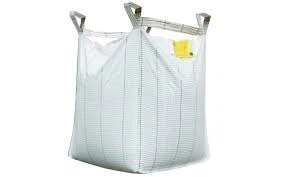
As a supplier of Paper - plastic Composite Tear - open Bags, I am often asked about the sealing performance of these bags. In this blog, I will delve into the factors that affect the sealing performance of paper - plastic composite tear - open bags, present scientific evidence regarding their sealing capabilities, and introduce some of our popular bag types.
Factors Affecting Sealing Performance
Material Composition
Paper - plastic composite tear - open bags are made by combining paper and plastic materials. The plastic layer, usually made of polyethylene (PE) or polypropylene (PP), plays a crucial role in sealing. These plastics have excellent heat - sealing properties. When heat is applied during the sealing process, the plastic molecules melt and bond together, creating a tight seal.
The quality of the paper used also impacts sealing. High - quality kraft paper provides a stable base for the plastic layer. It should have uniform thickness and good strength to prevent tearing during the sealing and subsequent handling processes. If the paper is too thin or has weak spots, it can compromise the integrity of the seal.


Sealing Method
There are several sealing methods for paper - plastic composite tear - open bags, including heat sealing, ultrasonic sealing, and adhesive sealing. Heat sealing is the most commonly used method. It involves applying heat and pressure to the plastic layer of the bag to melt and fuse the edges together.
The temperature, pressure, and sealing time are critical parameters in heat sealing. If the temperature is too low, the plastic may not melt sufficiently, resulting in a weak seal. On the other hand, if the temperature is too high, it can damage the paper layer or cause the plastic to degrade, also affecting the sealing quality.
Ultrasonic sealing uses high - frequency ultrasonic vibrations to generate heat at the sealing interface. This method is fast and can create strong seals without the need for external heat sources. Adhesive sealing, meanwhile, uses adhesives to bond the bag edges. However, it may not be as reliable as heat or ultrasonic sealing in some applications, especially when dealing with high - humidity environments or products that may react with the adhesive.
Product Environment
The environment in which the bag is used and stored can also affect its sealing performance. For example, high humidity can cause the paper layer to absorb moisture, making it weaker and more prone to tearing. This can lead to seal failure over time.
Extreme temperatures can also have an impact. In cold environments, the plastic layer may become brittle, reducing its flexibility and potentially causing cracks in the seal. In hot environments, the plastic may soften, which can affect the integrity of the seal if the bag is subjected to pressure.
Scientific Evidence of Good Sealing Performance
Numerous studies have been conducted to evaluate the sealing performance of paper - plastic composite tear - open bags. These studies typically involve testing the bags' resistance to gas and liquid penetration.
For gas permeability tests, bags are filled with a specific gas and then placed in a controlled environment. The rate of gas leakage is measured over a period of time. Results have shown that properly sealed paper - plastic composite bags can effectively prevent the escape of gases such as oxygen and carbon dioxide, which is crucial for preserving the quality of products like food and pharmaceuticals.
Liquid penetration tests are also common. Bags are filled with a liquid and then observed for any signs of leakage. High - quality paper - plastic composite tear - open bags have been found to have excellent resistance to liquid penetration, even when the bags are subjected to pressure or vibration.
Our Popular Paper - Plastic Composite Bag Types
Paper - plastic Composite M - fold Open Bag
Our [Paper - plastic Composite M - fold Open Bag](/kraft - paper - packaging - bag/paper - plastic - composite - packaging - bag/paper - plastic - composite - m - fold - open - bag.html) is designed with an M - fold structure, which provides additional stability and space for product storage. The bag is easy to open and close, and its sealing performance is ensured through advanced heat - sealing technology. This bag is suitable for a wide range of products, including snacks, pet food, and small hardware items.
Paper - plastic Composite Crepe Paper Sewn Bottom Bag
The [Paper - plastic Composite Crepe Paper Sewn Bottom Bag](/kraft - paper - packaging - bag/paper - plastic - composite - packaging - bag/paper - plastic - composite - crepe - paper - sewn.html) features a unique crepe paper design on the outside, which gives it an attractive appearance. The sewn bottom provides extra strength, and the plastic layer inside ensures a reliable seal. This bag is often used for products that require a certain level of protection, such as coffee beans, tea leaves, and spices.
Paper - plastic Composite Flat Open Bag
Our [Paper - plastic Composite Flat Open Bag](/kraft - paper - packaging - bag/paper - plastic - composite - packaging - bag/paper - plastic - composite - flat - open - bag.html) is a simple yet effective packaging solution. It has a flat design that is easy to stack and store. The bag can be sealed quickly and efficiently using heat - sealing equipment, making it a popular choice for mass - produced products like stationery, toys, and household items.
Conclusion
In conclusion, paper - plastic composite tear - open bags generally have good sealing performance when the material composition, sealing method, and product environment are properly considered. Our company, as a supplier of these bags, is committed to providing high - quality products that meet the diverse needs of our customers.
If you are interested in our paper - plastic composite tear - open bags and would like to discuss your specific packaging requirements, please feel free to contact us for procurement negotiations. We look forward to working with you to find the best packaging solutions for your products.
References
- ASTM International. (20XX). Standard test methods for determining gas permeability characteristics of plastics films and sheeting.
- ISO. (20XX). International standard for packaging - Testing methods for liquid penetration resistance of flexible packaging materials.
- Smith, J. (20XX). A study on the sealing performance of paper - plastic composite packaging materials. Journal of Packaging Science and Technology.