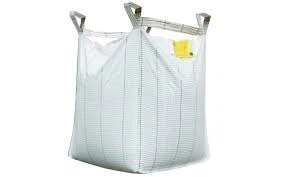
As a supplier of Paper-plastic Composite Flat Valve Bags, I've often been asked whether these bags are suitable for powder products. In this blog post, I'll delve into this question, considering various aspects such as the properties of powder products, the characteristics of Paper-plastic Composite Flat Valve Bags, and practical application scenarios.
Understanding Powder Products
Powder products come in a wide range of types, each with its own unique physical and chemical properties. Some powders are fine and light, like talcum powder or flour, while others are coarse and heavy, such as cement or metal powders. Additionally, powders can vary in terms of moisture sensitivity, flowability, and chemical reactivity.
Fine powders tend to be more difficult to handle because they can easily become airborne, leading to dust emissions and potential health hazards. They also require packaging that can prevent leakage and ensure a high level of containment. On the other hand, coarse powders may be less prone to dusting but can be more abrasive, which means the packaging needs to be durable enough to withstand the wear and tear during handling and transportation.
Moisture sensitivity is another crucial factor. Some powders, like certain chemicals or food products, can absorb moisture from the environment, which may cause clumping, degradation, or a change in their physical properties. For these products, the packaging must provide an effective barrier against moisture.
Characteristics of Paper-plastic Composite Flat Valve Bags
Paper-plastic Composite Flat Valve Bags are a type of packaging solution that combines the advantages of paper and plastic materials. The outer layer is usually made of kraft paper, which provides strength, stiffness, and printability. The inner layer is typically a plastic film, such as polyethylene (PE), which offers excellent moisture resistance and barrier properties.
One of the key features of these bags is the flat valve design. The valve allows for easy filling of the bag using automated filling equipment. When the filling process is completed, the valve closes automatically, preventing the powder from leaking out. This design not only improves the efficiency of the filling process but also ensures a tight seal, reducing the risk of product loss and contamination.

The combination of paper and plastic also provides good mechanical strength. The paper layer can withstand the pressure and stress during handling and transportation, while the plastic layer protects the powder from moisture, oxygen, and other external factors. Moreover, the bags are lightweight, which can reduce transportation costs and make them more environmentally friendly compared to some other packaging options.
Suitability for Powder Products
Containment and Leakage Prevention
Paper-plastic Composite Flat Valve Bags are highly effective in containing powder products and preventing leakage. The flat valve design ensures a secure closure after filling, and the plastic inner layer provides a continuous barrier that prevents the fine powder particles from escaping. This is particularly important for powders that are prone to dusting, as it helps to maintain a clean and safe working environment.
Moisture Resistance
As mentioned earlier, many powder products are sensitive to moisture. The plastic inner layer of the Paper-plastic Composite Flat Valve Bags acts as a moisture barrier, protecting the powder from humidity and preventing clumping or degradation. This makes the bags suitable for storing and transporting powders in a wide range of environmental conditions.
Abrasion Resistance
For coarse and abrasive powders, the mechanical strength of the bags is crucial. The kraft paper outer layer provides a certain degree of abrasion resistance, while the plastic inner layer further enhances the durability of the bag. This means that the bags can withstand the friction and wear caused by the movement of the powder during filling, handling, and transportation.

Compatibility with Filling Equipment
The flat valve design of these bags is specifically designed to be compatible with automated filling equipment. This allows for high-speed and efficient filling operations, which is essential for large-scale powder production. The bags can be easily integrated into existing filling lines, reducing the need for costly modifications or additional equipment.
Comparison with Other Packaging Options
Traditional Paper Bags
Traditional paper bags may not provide sufficient moisture resistance or containment for powder products. They are more prone to leakage and damage, especially when handling fine or abrasive powders. In contrast, Paper-plastic Composite Flat Valve Bags offer better protection and a more secure closure, making them a more reliable option for powder packaging.
Plastic Bags
While plastic bags can provide excellent moisture resistance, they may lack the stiffness and printability of paper. Paper-plastic Composite Flat Valve Bags combine the best of both worlds, offering the moisture barrier properties of plastic and the strength and printability of paper. This makes them more versatile and suitable for a wider range of applications.
Paper-plastic Composite M-fold Open Bag
The Paper-plastic Composite M-fold Open Bag is another type of packaging option. However, it may not be as suitable for powder products as the Paper-plastic Composite Flat Valve Bags. The open design of the M-fold bag may increase the risk of dust emissions and product loss during filling and handling. In contrast, the flat valve design of our bags ensures a more controlled and secure filling process.
Paper-plastic Composite M-fold Valve Bag
The Paper-plastic Composite M-fold Valve Bag is similar to the Flat Valve Bag in terms of the valve design. However, the M-fold structure may have different mechanical properties and may not be as well-suited for certain types of powder products. The flat design of our Paper-plastic Composite Flat Valve Bags provides a more stable and uniform shape, which can be beneficial for stacking and storage.
Paper-plastic Composite Flat Open Bag
The Paper-plastic Composite Flat Open Bag lacks the valve closure feature, which means it may be more difficult to prevent leakage and dust emissions. The flat valve design of our bags offers a significant advantage in terms of product containment and environmental protection.
Practical Applications
Paper-plastic Composite Flat Valve Bags are widely used in various industries for packaging powder products. In the chemical industry, they are used to package fertilizers, pesticides, and other chemical powders. The bags provide a reliable barrier against moisture and chemical reactions, ensuring the quality and stability of the products.

In the food industry, these bags are used for packaging flour, sugar, and other food powders. The moisture resistance and hygienic properties of the bags help to maintain the freshness and quality of the food products.
In the construction industry, Paper-plastic Composite Flat Valve Bags are used to package cement, plaster, and other building materials. The bags can withstand the heavy weight and abrasive nature of these powders, ensuring safe and efficient transportation and storage.
Conclusion
In conclusion, Paper-plastic Composite Flat Valve Bags are highly suitable for powder products. Their unique design and combination of materials offer excellent containment, moisture resistance, abrasion resistance, and compatibility with filling equipment. Compared to other packaging options, they provide a more reliable and efficient solution for storing and transporting powder products in various industries.
If you are in the market for high-quality packaging solutions for your powder products, I encourage you to consider our Paper-plastic Composite Flat Valve Bags. We are committed to providing the best products and services to meet your specific needs. Contact us today to start a discussion about your packaging requirements and explore how our bags can benefit your business.
References
- Packaging Technology Handbook, edited by Ching-Yuan Su
- Handbook of Powder Science and Technology, edited by Marc Rhéaume