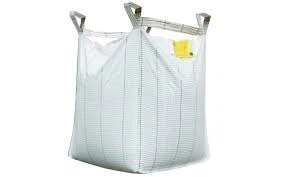
In the realm of animal husbandry, the storage of animal feed is a critical aspect that can significantly impact the health and productivity of livestock. Functional bulk bags, a product line I am proud to offer as a supplier, present an interesting option for this storage need. In this blog post, we will explore whether functional bulk bags can indeed be used for storing animal feed, analyzing their features, benefits, potential drawbacks, and the overall suitability for this purpose.
Understanding Functional Bulk Bags
Functional bulk bags are specifically designed to meet various industrial requirements, coming in different types such as Food Grade Bulk Bag, Conductive Bulk Bag, and Anti-static Bulk Bag. These bags are made from high - quality materials and engineered with unique properties to serve different functions.
Food grade bulk bags are constructed using materials that comply with food safety regulations. They are designed to prevent contamination of the contents, making them suitable for storing substances that will be consumed by humans or animals. Conductive bulk bags, on the other hand, are equipped with conductive threads or materials that can dissipate static electricity. This is crucial in environments where static buildup can pose a risk, such as in the presence of flammable dust. Anti - static bulk bags are similar in function but may use different technologies to reduce the generation and accumulation of static charges.
Advantages of Using Functional Bulk Bags for Animal Feed Storage
1. Protection against Contamination
One of the primary concerns when storing animal feed is preventing contamination. Functional bulk bags, especially food grade ones, are made from materials that are non - toxic and resistant to the growth of bacteria, mold, and fungi. The sealed construction of these bags also helps to keep out pests and insects, which could otherwise contaminate the feed and cause health problems for the animals.


For example, a well - sealed food grade bulk bag can prevent the entry of rodents and insects that might carry diseases or damage the feed. The bag's material can also act as a barrier against moisture, oxygen, and UV light, all of which can degrade the quality of the feed over time. By protecting the feed from these elements, functional bulk bags can help maintain the nutritional value of the feed for a longer period.
2. Storage Efficiency
Functional bulk bags are available in a variety of sizes, allowing for efficient use of storage space. They can be stacked easily, enabling the storage of large quantities of animal feed in a relatively small area. This is particularly beneficial for farms or feed storage facilities with limited space.
Moreover, the standardized sizing of bulk bags makes it easier to transport and handle the feed. Forklifts and other material handling equipment can be easily used to move the bags, reducing labor costs and the risk of injury during handling.
3. Cost - Effectiveness
Compared to traditional storage methods such as silos or large metal containers, functional bulk bags are often more cost - effective. The initial investment in bulk bags is relatively low, and they do not require expensive installation or maintenance. Additionally, since they can be disposed of after use (or in some cases, recycled), there is no long - term commitment to a specific storage structure.
4. Customizability
Functional bulk bags can be customized to meet the specific needs of different animal feed storage requirements. For instance, for feeds that are prone to generating static electricity, conductive or anti - static bulk bags can be used. Bags can also be printed with labels containing important information such as the type of feed, expiration date, and handling instructions, which helps in better inventory management.
Potential Drawbacks
1. Durability
While functional bulk bags are generally made from strong materials, they may not be as durable as some other storage options in certain situations. For example, if the bags are stored in an area where they are likely to be punctured or torn, such as near sharp objects or in a rough handling environment, the integrity of the bag may be compromised. This could lead to the leakage of feed and potential contamination.
2. Limited Reusability
Although some functional bulk bags can be reused, the number of times they can be used is often limited. Factors such as wear and tear during handling and exposure to the elements can reduce the usability of the bags. Additionally, if the feed stored in the bag has left residues that are difficult to clean, it may be necessary to dispose of the bag to prevent cross - contamination.
3. Ventilation
In some cases, proper ventilation is required for animal feed storage to prevent the buildup of moisture and mold. While some functional bulk bags can be designed with ventilation features, not all designs may provide adequate airflow. If the feed needs significant ventilation, additional measures may have to be taken, which could add to the overall cost and complexity of the storage system.
Assessing the Overall Suitability
The suitability of functional bulk bags for animal feed storage depends on several factors. For small to medium - scale farms or storage facilities with limited budgets and space, functional bulk bags can be an excellent choice. The ability to protect the feed from contamination, the efficiency of storage and handling, and the cost - effectiveness make them a practical option.
Large - scale operations also benefit from using functional bulk bags, especially when the feed needs to be transported over long distances or stored in multiple locations. The customizability of the bags allows them to be tailored to the specific requirements of different types of animal feed.
However, it is important to carefully consider the potential drawbacks. If the storage environment is harsh or the feed requires special ventilation or high - level durability, alternative storage methods may need to be explored.
Making the Right Decision
When considering the use of functional bulk bags for animal feed storage, it is essential to evaluate the specific requirements of your operation. Here are some steps to help you make the right decision:
1. Analyze Your Feed Characteristics
Understand the properties of the animal feed you are storing, such as its moisture content, susceptibility to static electricity, and the risk of contamination. This will help you determine the most suitable type of functional bulk bag, whether it is food grade, conductive, or anti - static.
2. Evaluate Your Storage Environment
Examine the conditions where the feed will be stored, including temperature, humidity, and the presence of potential hazards. If the storage area is exposed to rough handling or sharp objects, choose a bag with higher durability. If ventilation is a concern, look for bags with appropriate venting features.
3. Consider Your Budget and Space
Assess your financial resources and available storage space. Functional bulk bags are generally cost - effective, but you need to ensure that the cost aligns with your budget. Also, consider whether the bags can be stacked efficiently in your storage area to make the best use of the space.
Contact for Procurement and Consultation
If you are interested in exploring the use of functional bulk bags for animal feed storage, I am here to assist you. As a reliable supplier of functional bulk bags, I can provide you with detailed information about our products, including their features, specifications, and prices. We can also work together to customize the bags to meet your specific needs. Whether you have a small - scale farm or a large - scale feed storage facility, we have the right solutions for you.
Reach out to us to start a conversation about how our functional bulk bags can enhance your animal feed storage operations. We are committed to providing high - quality products and excellent customer service to ensure your satisfaction.
References
- [List of relevant industry standards and guidelines for animal feed storage]
- [Research papers on the performance of different storage materials for animal feed]
- [Technical specifications provided by the manufacturers of functional bulk bags]